A new face of endocannabinoids in pharmacotherapy. Part I & II

“A new face of endocannabinoids in pharmacotherapy. Part I: Protective role of endocannabinoids in hypertension and myocardial infarction.

Cannabinoids are compounds which were first isolated from the Cannabis sativa plant. For thousands of years they have been used for treatment of numerous diseases.

Currently, synthetic cannabinoids and endocannabinoids are also known. Cannabinoid receptors, endocannabinoids and the enzymes that catalyze their synthesis and degradation constitute the endocannabinoid system which plays an important role in functioning of the cardiovascular system.

The results obtained to date suggest the involvement of endocannabinoids in the pathology of many cardiovascular diseases, including myocardial infarction, hypertension and hypotension associated with hemorrhagic, endotoxic, and cardiogenic shock. Cardioprotective effect and dilation of coronary vessels induced by endocannabinoids deserve special attention.

It cannot be excluded now that in the future our better understanding of cannabinoid system will allow to develop new strategies for treatment of cardiovascular diseases.”

http://www.jpp.krakow.pl/journal/archive/04_14/pdf/171_04_14_article.pdf

“A new face of endocannabinoids in pharmacotherapy. Part II. Role of endocannabinoids in inflammation-derived cardiovaascular diseases.

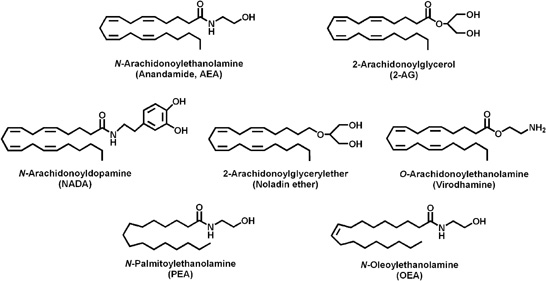
 Endocannabinoids play an important role in cardiovascular diseases caused by inflammatory disorders. Endocannabinoids are endogenous bioactive lipids that activate cannabinoid receptors and together with enzymes responsible for their synthesis and degradation constitute endocannabinoid system.

The results obtained to date suggest the involvement of endocannabinoids in the pathology of many cardiovascular diseases associated with inflammation, such as atherosclerosis, restenosis, chemotherapy-induced myocardial injury, diabetic and hepatic cirrhosis cardiomyopathy.

Our better understanding of cannabinoid system may result in the development of new strategies for the treatment of such disorders.”

http://www.jpp.krakow.pl/journal/archive/04_14/pdf/183_04_14_article.pdf

Therapeutic benefits of cannabis: a patient survey.

“Clinical research regarding the therapeutic benefits of cannabis (“marijuana”) has been almost non-existent in the United States since cannabis was given Schedule I status in the Controlled Substances Act of 1970.

In order to discover the benefits and adverse effects perceived by medical cannabis patients, especially with regards to chronic pain, we hand-delivered surveys to one hundred consecutive patients who were returning for yearly re-certification for medical cannabis use in Hawai’i. The response rate was 94%. Mean and median ages were 49.3 and 51 years respectively. Ninety-seven per cent of respondents used cannabis primarily for chronic pain. Average pain improvement on a 0-10 pain scale was 5.0 (from 7.8 to 2.8), which translates to a 64% relative decrease in average pain. Half of all respondents also noted relief from stress/anxiety, and nearly half (45%) reported relief from insomnia. Most patients (71%) reported no adverse effects, while 6% reported a cough or throat irritation and 5% feared arrest even though medical cannabis is legal in Hawai’i.

No serious adverse effects were reported.

These results suggest that Cannabis is an extremely safe and effective medication for many chronic pain patients. Cannabis appears to alleviate pain, insomnia, and may be helpful in relieving anxiety.

Cannabis has shown extreme promise in the treatment of numerous medical problems and deserves to be released from the current Schedule I federal prohibition against research and prescription.”

http://www.ncbi.nlm.nih.gov/pubmed/24765558

Full text: http://www.ncbi.nlm.nih.gov/pmc/articles/PMC3998228/

It’s Easier To Die from Drinking Too Much Water Than Smoking Too Much Pot

THC-3D-(with-cannabis-leaf-bkg)

“In February, reports filtered in from Germany that two men died of cardiac arrhythmia triggered by marijuana intoxication. At a headline’s glance, the tragic deaths seemed to spoil cannabis’ unblemished track record: Until that point, no cases of fatal overdose were known to science.

It should be noted, however, that these two men — aged 23 and 28 — did not overdose. The researchers who reviewed their deaths in the journal Forensic Science International reported found that “the younger man had a serious undetected heart problem and the older one had a history of alcohol, amphetamine and cocaine abuse.” Since all other causes of death were ruled out, the researchers assumed that marijuana spiked their heart rates and blood pressures, causing their hearts to fall out of rhythm.

In the absence of underlying health conditions, it is practically impossible to die from smoking marijuana. The LD50 — the dose required to kill half the subjects in a test population — of marijuana’s active chemical THC is somewhere between 15 and 70 grams for the average human. As the University of Michigan’s Mind the Science Gap described, that’s “absurdly high”:

“To put that in perspective, the casual user (once a month or so) generally only needs about 2-3 mg of THC to become intoxicated, while habitual users might need between five and ten times that amount. Since 3 mg = 0.003 g, a casual user would need to smoke about 5000 times their normal amount to approach a potentially lethal dose.””


What chemicals are deadlier than THC? Quite a few actually. Cyanide, arsenic, and strychnine obviously top THC, but so does nicotine, caffeine, ethanol, and table salt! A convincing case can even be made that it’s easier to overdose on the very essence of life on Earth: water.

Though water has a vastly higher LD50 compared to any other chemical — roughly 90 grams per kilogram of body weight — humans are surprisingly able to slurp down too much of it, especially when competition, peer pressure, exercise, or the drug ecstasy are involved.

In 2007, a California woman died from water intoxication after drinking six liters of water — roughly 25 glasses — in three hours. Writing in Scientific American, Coco Ballantyne recounted other noted deaths and issues associated with excessive water intake:


In 2005 a fraternity hazing at California State University, Chico, left a 21-year-old man dead after he was forced to drink excessive amounts of water between rounds of push-ups in a cold basement. Club-goers taking MDMA (“ecstasy”) have died after consuming copious amounts of water trying to rehydrate following long nights of dancing and sweating. Going overboard in attempts to rehydrate is also common among endurance athletes. A 2005 study in the New England Journal of Medicine found that close to one sixth of marathon runners develop some degree of hyponatremia, or dilution of the blood caused by drinking too much water.


Water, of course, is easier to access than marijuana. If THC ubiquitously flowed from taps and showerheads, doubtless somebody would have found a way to overdose. As it is, you’d be hard pressed to find an average person with enough marijuana to kill himself. Thus, water’s body count remains higher.”


http://www.forbes.com/sites/rosspomeroy/2014/04/24/its-easier-to-die-from-drinking-too-much-water-than-smoking-too-much-pot/

Getting High on the Endocannabinoid System

“The endogenous cannabinoid system—named for the plant that led to its discovery—is one of the most important physiologic systems involved in establishing and maintaining human health.

Endocannabinoids and their receptors are found throughout the body: in the brain, organs, connective tissues, glands, and immune cells. With its complex actions in our immune system, nervous system, and virtually all of the body’s organs, the endocannabinoids are literally a bridge between body and mind.

By understanding this system, we begin to see a mechanism that could connect brain activity and states of physical health and disease.

…either stimulating or inhibiting the endocannabinoid system could have beneficial effects.

The most direct route of THC administration is by smoking marijuana or other forms of cannabis. Yet purified, FDA-approved medicinal preparations of THC are available in pill form… Why not just take a pill? There are several reasons that some patients prefer puffing over swallowing. One quantitatively minor factor is potential lethality.

It is possible to get a fatal overdose by swallowing too many THC pills at once, whereas documented evidence of death simply from smoking too much cannabis does not seem to exist.”

http://www.ncbi.nlm.nih.gov/pmc/articles/PMC3997295/

The cannabinoid delta(9)-tetrahydrocannabinol inhibits RAS-MAPK and PI3K-AKT survival signalling and induces BAD-mediated apoptosis in colorectal cancer cells.

“…there is considerable interest in therapeutics that can modulate survival signalling pathways and target cancer cells for death. There is emerging evidence that cannabinoids, especially Delta(9)-tetrahydrocannabinol (THC), may represent novel anticancer agents, due to their ability to regulate signalling pathways critical for cell growth and survival.

Here, we report that CB1 and CB2 cannabinoid receptors are expressed in human colorectal adenoma and carcinoma cells, and show for the first time that THC induces apoptosis in colorectal cancer cells…

The use of THC, or selective targeting of the CB1 receptor, may represent a novel strategy for colorectal cancer therapy.”

http://www.ncbi.nlm.nih.gov/pubmed/17583570

http://www.thctotalhealthcare.com/category/colon-cancer/

The Impact of State Medical Marijuana Legislation on Adolescent Marijuana Use.

“The state-level legalization of medical marijuana has raised concerns about increased accessibility and appeal of the drug to youth. The objective of this study was to assess the impact of medical marijuana legalization across the United States by comparing trends in adolescent marijuana use between states with and without legalization of medical marijuana…

CONCLUSIONS:

This study did not find increases in adolescent marijuana use related to legalization of medical marijuana.”

http://www.ncbi.nlm.nih.gov/pubmed/24742758

“Legalizing medical marijuana doesn’t increase use among adolescents, study says” http://www.sciencedaily.com/releases/2014/04/140423102754.htm#.U1heqwRkPNA.twitter

Blood levels do not predict behavioral or physiological effects of Δ9-tetrahydrocannabinol in rhesus monkeys with different patterns of exposure.

“Recent changes in the legality of cannabis have prompted evaluation of whether blood levels of Δ9-tetrahydrocannabinol (THC) or its metabolites could be used to substantiate impairment, particularly related to behavioral tasks such as driving…

These data indicate that thresholds for blood levels of THC do not provide a consistent index of behavioral impairment across individuals with different patterns of THC exposure.”

http://www.ncbi.nlm.nih.gov/pubmed/24703610

Pot Not Linked to Poor Health

“Marijuana use does not correlate with negative health outcomes or hospitalizations, a study has found.”

“Marijuana may not be linked to health after all, researchers from the Boston Medical Center (BMC) and Boston University School of Medicine showed in the Journal of General Internal Medicine this week (September 23). Specifically, the team found that use of the drug did not correlate with health status or health-care utilization among adults who reported to have used the drug before. The study serves to support mounting evidence that marijuana is likely less harmful than once thought.”

http://www.the-scientist.com/?articles.view/articleNo/37625/title/Pot-Not-Linked-to-Poor-Health/

“Large waist linked to poor health…” http://www.sciencedaily.com/releases/2014/03/140312114559.htm

“Studies show poverty is linked with poor health” http://articles.latimes.com/2011/sep/14/news/la-heb-poverty-health-20110914

Can Physical Exercise or Food Deprivation Cause Release of Fat-Stored Cannabinoids in Humans?

“The aim of this study was to evaluate whether physical exercise or food deprivation may increase cannabionoid levels in serum or urine in abstinent chronic cannabis users.

We conclude that exercise and/or food deprivation are unlikely to cause sufficient cannabinoid concentration changes to hamper correct interpretations in drug testing programmes.”

http://www.ncbi.nlm.nih.gov/pubmed/24674455

Fasting and exercise increase plasma cannabinoid levels in THC pre-treated rats: an examination of behavioural consequences.

“Δ9-Tetrahydrocannabinol (THC), the main psychoactive constituent of cannabis, accumulates in fat tissue where it can remain for prolonged periods.

Under conditions of increased fat utilisation, blood cannabinoid concentrations can increase.

These results confirm that fasting and exercise can increase plasma cannabinoid levels…”

http://www.ncbi.nlm.nih.gov/pubmed/24696079