
 “Evidence details how cannabis can influence the use of other psychoactive substances, including prescription medications, alcohol, tobacco and illicit drugs, but very little research has examined the factors associated with these changes in substance use patterns. This paper explores the self-reported use of cannabis as a substitute for alcohol among a Canadian medical cannabis patient population.
Results: Overall, 419 (44%) participants reported decreases in alcohol usage frequency over 30 days, 323 (34%) decreased the number of standard drinks they had per week, and 76 (8%) reported no alcohol use at all in the 30 days prior to the survey. Being below 55 years of age and reporting higher rates of alcohol use in the pre-period were both associated with greater odds of reducing alcohol use, and an intention to use medical cannabis to reduce alcohol consumption was associated with significantly greater odds of both reducing and ceasing alcohol use altogether.
Conclusions: Our findings suggest that medical cannabis initiation may be associated with self-reported reductions and cessation of alcohol use among medical cannabis patients. Since alcohol is the most prevalent recreational substance in North America, and its use results in significant rates of criminality, morbidity and mortality, these findings may result in improved health outcomes for medical cannabis patients, as well as overall improvements in public health and safety.”
https://pubmed.ncbi.nlm.nih.gov/33068830/
“Following medical cannabis initiation, 44% of participants reported decreases in alcohol use frequency over 30 days, and 34% decreased the number of standard drinks they had per week. Younger age (<55 years old) and higher rates of alcohol use prior to medical cannabis initiation were associated with greater odds of reducing alcohol. Specific intention to use medical cannabis to reduce alcohol consumption resulted in greater odds of reducing and/or ceasing use altogether.”
https://www.sciencedirect.com/science/article/abs/pii/S0955395920303017?via%3Dihub
 “Cannabis is a historical plant which has been used as a medicine in East Asia.
 “The identification of the human cannabinoid receptors and their roles in health and disease, has been one of the most significant biochemical and pharmacological advancements to have occurred in the past few decades. In spite of the major strides made in furthering endocannabinoid research, therapeutic exploitation of the endocannabinoid system has often been a challenging task.
 “Considering lack of target-specific antiviral treatment and vaccination for COVID-19, it is absolutely exigent to have an effective therapeutic modality to reduce hospitalization and mortality rate as well as to improve COVID-19-infected patient outcomes.
 “The inflammatory sequence is the first phase of wound healing. Macrophages (MPhs) and mesenchymal stromal cells (MSCs) respond to an inflammatory microenvironment by adapting their functional activity, which polarizes them into the pro-inflammatory phenotypes M1 and MSC1. Prolongation of the inflammatory phase results in the formation of chronic wounds. The endocannabinoid system (ECS) possesses immunomodulatory properties that may impede this cellular phenotypic switch.
 “Cannabinoids have long been used for their psychotropic and possible medical properties of symptom relief. In the past few years, a vast literature shows that cannabinoids are neuroprotective under different pathological situations.

 “Background/objectives: Use of cannabis is increasing in a variety of populations in the United States; however, few investigations about how and for what reasons cannabis is used in older populations exist.
 “∆ 9 -Tetrahydrocannabinol (∆9 -THC), the active phytocannabinoid in cannabis, is virtually an adjunct to the endogenous endocannabinoid signaling system.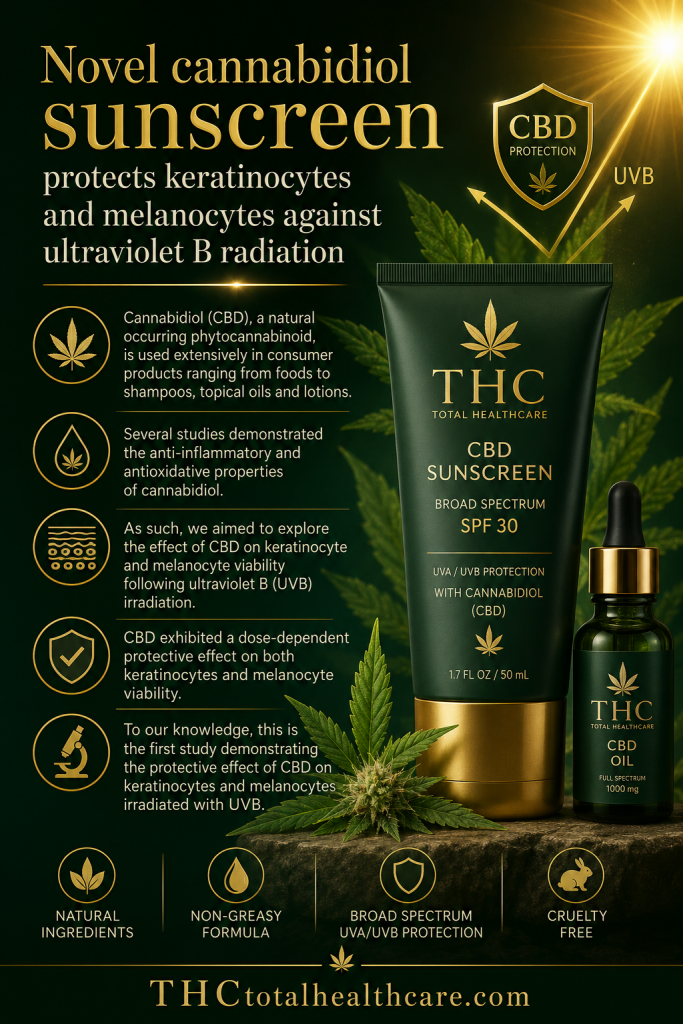
 “Cannabidiol (CBD), a natural occurring phytocannabinoid, is used extensively in consumer products ranging from foods to shampoos, topical oils and lotions.