
 “Alzheimer’s disease (AD) is a multifactorial neurodegenerative disorder linked to various converging toxic mechanisms. Evidence suggests that hyperglycemia induces oxidative stress, mitochondrial dysfunction, inflammation and excitotoxicity, all of which play important roles in the onset and progression of AD pathogenesis.
The endocannabinoid system (ECS) orchestrates major physiological responses, including neuronal plasticity, neuroprotection, and redox homeostasis, to name a few. The multi-targeted effectiveness of the ECS emerges as a potential approach to treat AD.
Here we characterized the protective properties of the endocannabinoids arachidonylethanolamide (AEA) and 2-arachidonoylglycerol (2-AG), the synthetic cannabinoids CP 55-940 and WIN 55,212-2, and the fatty acid amide hydrolase (FAAH) inhibitor URB597, on a combined hyperglycemia+oligomeric amyloid β peptide (Aβ1-42) neurotoxic model in primary hippocampal neurons which exhibit several AD features.
All agents tested preserved cell viability and stimulated mitochondrial membrane potential, while reducing all the evaluated toxic endpoints in a differential manner, with URB597 showing the highest efficacy. The neuroprotective efficacy of all cannabinoid agents, except for URB597, led to partial recruitment of specific antioxidant activity and Nrf2 pathway regulation.
Our results support the neuroprotective potential of these agents at low concentrations against the damaging effects of GLU+Aβ1-42, affording new potential modalities for the design of AD therapies.”
https://pubmed.ncbi.nlm.nih.gov/32781098/
“All cannabinoid agents prevented the GLU + Aβ1-42 toxicity in a differential manner. All cannabinoid agents recruited Nrf2 signaling to protect cells.”
https://www.sciencedirect.com/science/article/abs/pii/S0197018620302084?via%3Dihub
 “Methicillin-resistant Staphylococcus aureus (MRSA) has proven to be an imminent threat to public health, intensifying the need for novel therapeutics.
 “The etiopathogenesis of autism spectrum disorder (ASD) remains largely unclear.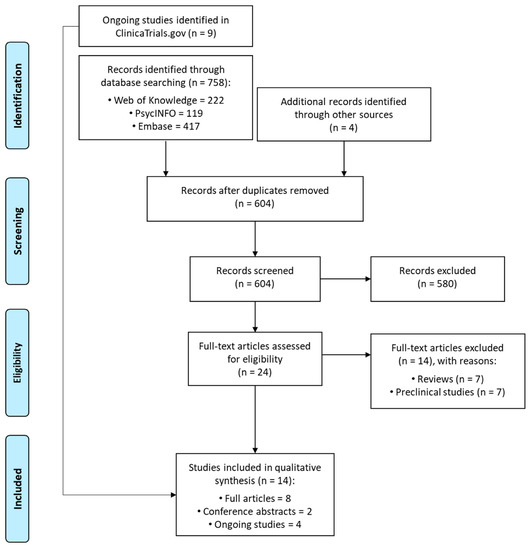
 “Colorectal cancer represents a heavy burden for health systems worldwide, being the third most common cancer worldwide. Despite the breakthroughs in medicine, current chemotherapeutic options continue to have important side effects and may not be effective in preventing disease progression.
 “Alcohol is a psychoactive substance highly used worldwide, whose harmful use might cause a broad range of mental and behavioural disorders. Underlying brain impact, the neuroinflammatory response induced by alcohol is recognised as a key contributing factor in the progression of other neuropathological processes, such as neurodegeneration. These sequels are determined by multiple factors, including age of exposure.
 “Several studies support, both in vitro and in vivo, the anti-cancer effects of cannabidiol (CBD), a transient receptor potential vanilloid 2 (TRPV2) ligand. TRPV2, often dysregulated in tumors, is associated with altered cell proliferation and aggressiveness.
 “Resting-state (rs) network dysfunction is a contributing factor to treatment resistance in epilepsy. In treatment-resistant epilepsy (TRE), pharmacological and nonpharmacological therapies have been shown to improve such dysfunction.
 “In recent years, and even more since its legalization in several jurisdictions, cannabis and the endocannabinoid system have received an increasing amount of interest related to their potential exploitation in clinical settings. Cannabinoids have been suggested and shown to be effective in the treatment of various conditions. In cancer, the endocannabinoid system is altered in numerous types of tumours and can relate to cancer prognosis and disease outcome. Additionally, cannabinoids display anticancer effects in several models by suppressing the proliferation, migration and/or invasion of cancer cells, as well as tumour angiogenesis. However, the therapeutic use of cannabinoids is currently limited to the treatment of symptoms and pain associated with chemotherapy, while their potential use as cytotoxic drugs in chemotherapy still requires validation in patients. Along with cannabinoids, cannabis contains several other compounds that have also been shown to exert anti-tumorigenic actions. The potential anti-cancer effects of cannabinoids, terpenes and flavonoids, present in cannabis, are explored in this literature review.”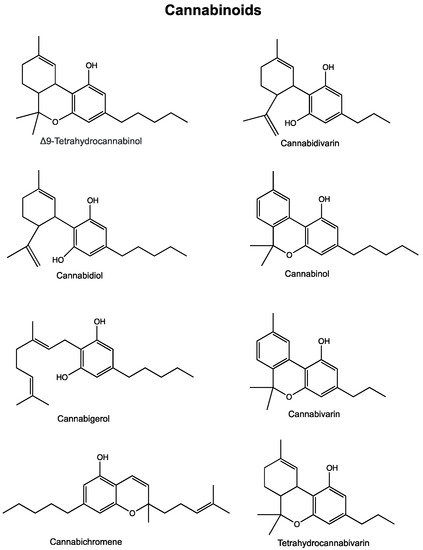
 “In the last few years research into Cannabis and its constituent phytocannabinoids has burgeoned, particularly in the potential application of novel cannabis phytochemicals for the treatment of diverse illnesses related to neurodegeneration and dementia, including Alzheimer’s (AD), Parkinson’s (PD) and Huntington’s disease (HD). To date, these neurological diseases have mostly relied on symptomatological management. However, with an aging population globally, the search for more efficient and disease-modifying treatments that could delay or mitigate disease progression is imperative. In this context, this review aims to present a state of art in the research with cannabinoids and novel cannabinoid-based drug candidates that have been emerged as novel promising alternatives for drug development and innovation in the therapeutics of a number of diseases, especially those related to CNS-disturbance and impairment.”
 “We observed that cannabidiol supplements were highly effective in treating an infant boy with drug-resistant early infantile epileptic encephalopathy, eliminating his intractable tonic seizures.