Cannabis Cures Cancer Without Poison

cannabis oil and Cancer cures

“Isn’t it strange that doctors can legally administer poison in the form of chemotherapy and radiation as well as numerous toxic pharmaceuticals and yet one of nature’s medicines- found to greatly assist cancer patients- which can be prepared by any common person without harmful side effects, is illegal and can send a person to prison for its possession?

  There are numerous studies, now spanning the globe, revealing the miraculous healing properties of cannabis oil and its ability to cure cancers and other ailments without poisoning the body.

Cannabis oil, or Hemp oil  contains many healing benefits including a high amount of protein as well as essential fatty acids, including the harder to come by GLA’s – known to reduce inflammation and slow the growth of cancer cells.  As far as essential fatty acids go, we need a particular ratio of Omega 3, Omega 6 and GLA’s  in our body for good health.  Omega 3 comes largely from fish, Omega 6 can be found in many of our cooking oils such as olive and sunflower, but GLA is only found in a few sources such as borage oil, spirulina and hemp.  Hemp oil happens to contain the perfect 2:5:1 ratio of omega 3, 6 and GLA’s. Interesting.

As far as cancer goes, the research proof has been out there for a while…

 Cannabis oil has been shown to shrink and even cure cancers in all the studies conducted without poisoning the body. Isn’t it time to give the people a safe, legal alternative to such an ailment? Let us put aside our fears and greed and support nature in being our medicine, so she can further support us in healing.”

More: http://guardianlv.com/2013/06/cannabis-cures-cancer-without-poison/
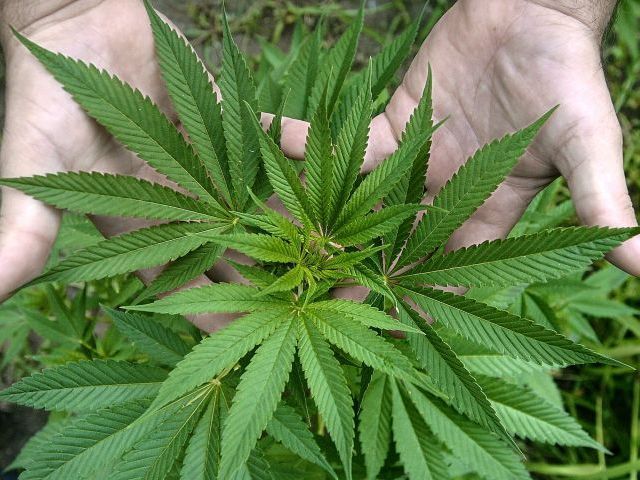
Cannabis by product helps reduce effects of Parkinson disease medication

“Researchers from Brazil’s prestigious University of Sao Paulo have discovered that marihuana contains substances which can help ease the collateral effects of medicines prescribed to patients suffering from Parkinson disease.”

Brazilian researchers have tested the positive effects of canabiodiol 

“Six patients with Parkinson were given during a whole month small doses of “canabiodiol” one of the 400 substances in marihuana, following which encouraging results were confirmed according to scientists from the Riberao Preto Medicine School from the SP University.

“Patients with Parkinson developed improvements in their sleeping alterations, in their psychotic symptoms and could even reduce their trembling” said psychiatrist Jose Alexander Crippa, Neuro-sciences Department professor.

The paper on the discovery was published last November and next year an additional paper with test results on the anxiolytic effects of “canabiodiol” in patients with obsession and compulsion disorders will be released.

A group of voluntary patients with obsessive and compulsive conducts were medicated with the substance 70 minutes before facing situations that forced them into anxiety fits, and “improvements were evident”.”

http://en.mercopress.com/2009/12/30/cannabis-by-product-helps-reduce-effects-of-parkinson-disease-medication

Cannabis Science extracts benefit squamous cell carcinoma cancer and skin cancer patients

“We stumbled upon this news a couple weeks back regarding Cannabis Science, Inc. (OTCBB:CBIS.OB) reported the continuing successful progress by two patients who have been topically self-administering Cannabis Science extracts for Squamous Cell Carcinoma Cancer and Skin Cancer.

According to their earlier press releases, these patients have photo-documented dramatic results that the Company will release to the public once treatment is completed and has been properly vetted by clinical biopsy. The Company, in conjunction with several Colorado-licensed dispensaries and physicians, consults with a number of cancer patients who are seeking to inform themselves of the current peer-reviewed scientific literature, regarding modern and historical use of cannabis preparations for treating cancers so that they can make informed decisions regarding their self-directed cancer treatment.

Cannabis has an outstanding safety profile as determined in 1988 by Federal Administrative Law Judge Francis Young who recommended cannabis be removed from Schedule I. The refusal of the DEA to follow this recommendation has resulted in 16 states allowing some form of medical marijuana access for their citizens. Numerous other states are moving in this direction. Consequently, patients in states with medical marijuana laws are able to make an informed decisions to try various state-legal cannabis preparations and to determine what is most effective for their particular condition. As a result, there is an unprecedented accumulation of “anecdotal” data.

Cannabis Science went on to mention that it’s making cannabis-based medicines available to the public as rapidly as possible.”

More: http://www.news-medical.net/news/20120107/Cannabis-Science-extracts-benefit-squamous-cell-carcinoma-cancer-and-skin-cancer-patients.aspx

The pharmacologic and clinical effects of medical cannabis.

“Cannabis, or marijuana, has been used for medicinal purposes for many years. Several types of cannabinoid medicines are available in the United States and Canada. Dronabinol (schedule III), nabilone (schedule II), and nabiximols (not U.S. Food and Drug Administration approved) are cannabis-derived pharmaceuticals.

Medical cannabis or medical marijuana, a leafy plant cultivated for the production of its leaves and flowering tops, is a schedule I drug, but patients obtain it through cannabis dispensaries and statewide programs. The effect that cannabinoid compounds have on the cannabinoid receptors (CB(1) and CB(2) ) found in the brain can create varying pharmacologic responses based on formulation and patient characteristics. The cannabinoid Δ(9) -tetrahydrocannabinol has been determined to have the primary psychoactive effects; the effects of several other key cannabinoid compounds have yet to be fully elucidated. Dronabinol and nabilone are indicated for the treatment of nausea and vomiting associated with cancer chemotherapy and of anorexia associated with weight loss in patients with acquired immune deficiency syndrome. However, pain and muscle spasms are the most common reasons that medical cannabis is being recommended.

Studies of medical cannabis show significant improvement in various types of pain and muscle spasticity. Reported adverse effects are typically not serious, with the most common being dizziness. Safety concerns regarding cannabis include the increased risk of developing schizophrenia with adolescent use, impairments in memory and cognition, accidental pediatric ingestions, and lack of safety packaging for medical cannabis formulations. This article will describe the pharmacology of cannabis, effects of various dosage formulations, therapeutics benefits and risks of cannabis for pain and muscle spasm, and safety concerns of medical cannabis use.”

http://www.ncbi.nlm.nih.gov/pubmed/23386598

The Cannabinoid CB2 Receptor as a Target for Inflammation-Dependent Neurodegeneration

“THE CANNABINOID CB2 RECEPTOR AS A BIORATIONAL TARGET FOR THE TREATMENT OF NEURODEGENERATION. The presence of CB2 receptors in microglia in the human Alzheimer’s diseased brain suggests that CB2 may provide a novel target for a range of neuropathologies.

 The first approved cannabinoid drugs were analogues of Δ9-tetrahydrocannabinol (Δ9-THC). Dronabinol is a natural isomer of THC that is found in the cannabis plant, and Marinol contains synthetic dronabinol. Marinol, and another analogue nabilone (Cesamet ) are used to prevent nausea and vomiting after treatment with anti-cancer medicines. More recently, GW-100 (Sativex) which combines nearly equal amounts of Δ9-THC and cannabidiol in a whole plant extract from cultivated cannabis, has been approved in Canada…

We conclude that the administration of CB2 agonists and antagonists may differentially alter microglia-dependent neuroinflammation. CB2 specific compounds have considerable therapeutic appeal over CB1 compounds, as the exclusive expression of CB2 on immune cells within the brain provides a highly specialised target, without the psychoactivity that plagues CB1 directed therapies.

In addition, CB2 activation appears to prevent or decrease microglial activation.

In a rodent model of Alzheimer’s disease microglial activation was completely prevented by administration of a selective CB2 agonist.”

http://www.ncbi.nlm.nih.gov/pubmed/18615177

Alzheimer’s disease and inflammation: a review of cellular and therapeutic mechanisms.

“1. Of the neurodegenerative diseases that cause dementia, Alzheimer’s disease (AD) is the most common. Three major pathologies characterize the disease: senile plaques, neurofibrillary tangles and inflammation. We review the literature on events contributing to the inflammation and the treatments thought to target this pathology. 2. The senile plaques of AD consist primarily of complexes of the beta-amyloid protein. This protein is central to the pathogenesis of the disease. 3. Inflammatory microglia are consistently associated with senile plaques in AD, although the classic inflammatory response (immunoglobulin and leucocyte infiltration) is absent. beta-Amyloid fragments appear to mediate such inflammatory mechanisms by activating the complement pathway in a similar fashion to immunoglobulin. 4. Epidemiological studies have identified a reduced risk of AD in patients with arthritis and in leprosy patients treated with anti-inflammatory drugs. Longitudinal studies have shown that the consumption of anti-inflammatory medications reduces the risk of AD only in younger patients (< 75 years). 5. There is a considerable body of in vitro evidence indicating that the inflammatory response of microglial cells is reduced by non-steroidal anti-inflammatory drugs (NSAID). However, no published data are available concerning the effects of these medications on brain pathology in AD. 6. Cyclo-oxygenase 2 enzyme is constitutively expressed in neurons and is up-regulated in degenerative brain regions in AD. Non-steroidal anti-inflammatory drugs may reduce this expression. 7. Platelets are a source of beta-amyloid and increased platelet activation and increased circulating beta-amyloid have been identified in AD. Anti-platelet medication (including NSAID) would prevent such activation and its potentially harmful consequences. 8. Increased levels of luminal beta-amyloid permeabilizes the blood-brain barrier (BBB) and increases vasoconstriction of arterial vessels, paralleling the alterations observed with infection and inflammation. Cerebral amyloidosis is highly prevalent in AD, compromising the BBB and vasoactivity.

Anti-inflammatory medications may alleviate these problems.”

http://www.ncbi.nlm.nih.gov/pubmed/10696521

Cannabinoids and Parkinson’s disease.

Abstract

“Cannabinoid-based medicines have been proposed as clinically promising therapies in Parkinson’s disease (PD), given the prominent modulatory function played by the cannabinoid signaling system in the basal ganglia. Supporting this pharmacological potential, the cannabinoid signaling system experiences a biphasic pattern of changes during the progression of PD. Thus, early and presymptomatic stages, characterized by neuronal malfunctioning but little evidence of neuronal death, are associated with desensitization/downregulation of CB(1) receptors. It was proposed that these losses may be part of the pathogenesis itself, since they can aggravate different cytotoxic insults which are controlled in part by cannabinoid signals, mainly excitotoxicity but also oxidative stress and glial activation. By contrast, intermediate and, in particular, advanced stages of parkinsonism characterized by a profound nigral degeneration and occurrence of major parkinsonian symptoms (e.g. bradykinesia), are associated with upregulatory responses of CB(1) receptors, possibly CB(2) receptors too, and the endocannabinoid ligands for both receptor types. This would explain the motor inhibition typical of this disease and the potential proposed for CB(1) receptor antagonists in attenuating the bradykinesia typical of PD. In addition, certain cannabinoid agonists have been proposed to serve as neuroprotective molecules in PD, given their well-demonstrated capability to reduce excitotoxicity, calcium influx, glial activation and, in particular, oxidative injury that cooperatively contribute to the degeneration of nigral neurons. However, the potential of cannabinoid-based medicines in PD have been still scarcely studied at the clinical level despite the existence of solid and promising preclinical evidence. Considering the relevance of these preclinical data, the need for finding treatments for motor symptoms that may be alternative to classic dopaminergic replacement therapy, and the lack of efficient neuroprotective strategies in PD, we believe it is of major interest to develop further studies that allow the promising expectations generated for these molecules to progress from the present preclinical evidence towards a real clinical application.”

http://www.ncbi.nlm.nih.gov/pubmed/19839934

Sativex: clinical efficacy and tolerability in the treatment of symptoms of multiple sclerosis and neuropathic pain.

Abstract

“Sativex is one of the first cannabis-based medicines to undergo conventional clinical development and to be approved as a prescription medicine. It is an oromucosal spray that allows flexible, individualised dosing. Patients self titrate their overall dose and pattern of dosing according to their response to and tolerance of the medicine. This usually results in the administration of approximately 8-12 sprays/day. Each spray delivers tetrahydrocannabinol 2.7 mg and cannabidiol 2.5 mg, giving an approximate average dose of tetrahydrocannabinol 22-32 mg/day and cannabidiol 20-30 mg/day. Development has concentrated on the treatment of symptoms of multiple sclerosis, notably spasticity and neuropathic pain, as well as the treatment of neuropathic pain of other aetiologies. Positive results in placebo-controlled trials of the use of Sativex as an add-on therapy in these indications demonstrate that Sativex is efficacious and well tolerated in the treatment of these symptoms. Sativex has been approved for use in neuropathic pain due to multiple sclerosis in Canada. If ongoing studies replicate the results already observed, further approvals for the treatment of spasticity in multiple sclerosis and for neuropathic pain are likely.”

http://www.ncbi.nlm.nih.gov/pubmed/16553576

Nature against depression.

Abstract

“Depression is a major health problem currently recognized as a leading cause of morbidity worldwide. In the United States alone, depression affects approximately 20% of the population. With current medications suffering from major shortcomings that include slow onset of action, poor efficacy, and unwanted side effects, the search for new and improved antidepressants is ever increasing. In an effort to evade side effects, people have been resorting to popular traditional herbal medicines to relieve the symptoms of depression, and there is a need for more empirical knowledge about their use and effectiveness. This review provides an overview of the current knowledge state regarding a variety of natural plant products commonly used in depression. Herbal medicines discussed that have been used in clinical trials for the treatment of mild to moderate depression states include the popular St. John’s wort, saffron, Rhodiola, lavender, Echium, and the Chinese formula banxia houpu. In addition, new emerging herbal products that have been studied in different animal models are discussed including Polygala tenuifolia, the traditional Chinese herbal SYJN formula, gan mai da zao, and Cannabis sativa constituents. A comprehensive review of the chemical, pharmacological, and clinical aspects of each of the reviewed products is provided. Finally, recent preclinical studies reporting the antidepressant action of marine-derived natural products are discussed at the end of the review.”

http://www.ncbi.nlm.nih.gov/pubmed/22414105

The diverse CB1 and CB2 receptor pharmacology of three plant cannabinoids: Δ9-tetrahydrocannabinol, cannabidiol and Δ9-tetrahydrocannabivarin

  “Cannabis sativa is the source of a unique set of compounds known collectively as plant cannabinoids or phytocannabinoids. This review focuses on the manner with which three of these compounds, (−)-trans9-tetrahydrocannabinol (Δ9-THC), (−)-cannabidiol (CBD) and (−)-trans9-tetrahydrocannabivarin (Δ9-THCV), interact with cannabinoid CB1 and CB2 receptors. Δ9-THC, the main psychotropic constituent of cannabis, is a CB1 and CB2 receptor partial agonist and in line with classical pharmacology, the responses it elicits appear to be strongly influenced both by the expression level and signalling efficiency of cannabinoid receptors and by ongoing endogenous cannabinoid release. CBD displays unexpectedly high potency as an antagonist of CB1/CB2 receptor agonists in CB1– and CB2-expressing cells or tissues, the manner with which it interacts with CB2 receptors providing a possible explanation for its ability to inhibit evoked immune cell migration. Δ9-THCV behaves as a potent CB2 receptor partial agonist in vitro. In contrast, it antagonizes cannabinoid receptor agonists in CB1-expressing tissues. This it does with relatively high potency and in a manner that is both tissue and ligand dependent. Δ9-THCV also interacts with CB1 receptors when administered in vivo, behaving either as a CB1 antagonist or, at higher doses, as a CB1 receptor agonist. Brief mention is also made in this review, first of the production by Δ9-THC of pharmacodynamic tolerance, second of current knowledge about the extent to which Δ9-THC, CBD and Δ9-THCV interact with pharmacological targets other than CB1 or CB2 receptors, and third of actual and potential therapeutic applications for each of these cannabinoids.”

“…cannabis is a source not only of Δ9-THC, CBD and Δ9-THCV but also of at least 67 other phytocannabinoids and as such can be regarded as a natural library of unique compounds. The therapeutic potential of many of these ligands still remains largely unexplored prompting a need for further preclinical and clinical research directed at establishing whether phytocannabinoids are indeed ‘a neglected pharmacological treasure trove’. As well as leading to a more complete exploitation of Δ9-THC and CBD as therapeutic agents and establishing the clinical potential of Δ9-THCV more clearly, such research should help to identify any other phytocannabinoids that have therapeutic applications per se or that constitute either prodrugs from which semisynthetic medicines might be manufactured or lead compounds from which wholly synthetic medicines might be developed.”

http://www.ncbi.nlm.nih.gov/pmc/articles/PMC2219532/