
 “Purpose of review: To evaluate the impact of flavonoids and cannabinoids as anti-inflammatory and antiallergic treatments on the anterior surface of the eye.
Recent findings: Allergic conjunctivitis and dry eye syndrome are common ocular surface diseases that have been treated with traditional pharmacological measures, e.g. corticosteroids, antihistamines. Given the side-effect profiles of these medications and the growing interest in complementary treatment modalities as part of integrative medical interventions, well known flavonoids, such as quercetin and catechin, are under investigation for topical and systemic application methods for relief. As flavonoid derivatives, pycnogenol and epigallocatechin gallate have alleviated dry eye symptoms, including lacrimal gland inflammation, tear secretion, and the stability of the tear film. Research on ocular cannabinoid receptors and response to synthetic cannabinoids are also being considered for therapy of anterior ocular disorders. The expansion of herbal formulations provides a framework for future treatment regimens for ocular surface disorders.
Summary: Flavonoids and cannabinoids show promise as potential complementary treatment for allergic diseases because of their anti-inflammatory and antiallergic properties. Several studies implementing ocular and systemic application of these compounds show potential in becoming adjuvant treatment strategies for improving quality of life while also managing ocular surface disease processes.”
 “The contribution of substance use disorders to the burden of severe maternal morbidity in the United States is poorly understood. The objective was to estimate the independent association between substance use disorders during pregnancy and risk of severe maternal morbidity.
 “Although several lines of evidence support the hypothesis of a dysregulation of serotoninergic neurotransmission in the pathophysiology of obsessive-compulsive disorder (OCD), there is also evidence for an involvement of other pathways such as the GABAergic, glutamatergic, and dopaminergic systems.
 “Methicillin-resistant Staphylococcus aureus (MRSA) has proven to be an imminent threat to public health, intensifying the need for novel therapeutics.
 “Melanoma is the fourth most common type of cancer diagnosed in Australians after breast, prostate, and colorectal cancers. While there has been substantial progress in the treatment of cancer in general, malignant melanoma, in particular, is resistant to existing medical therapies requiring an urgent need to develop effective treatments with lesser side effects.
 “The etiopathogenesis of autism spectrum disorder (ASD) remains largely unclear.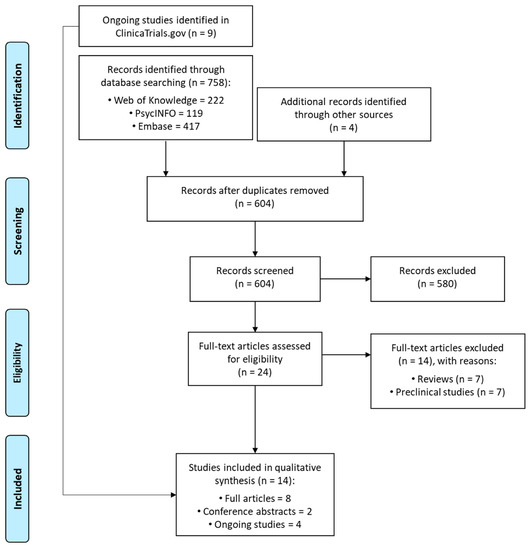
 “A significant number of epilepsy patients are refractory to conventional antiepileptic drugs. These patients experience considerable neurocognitive impairments that impact their quality of life and ability to function independently. This need for alternative treatment has generated increased interest in cannabis use as a therapeutic option in these patients.
 “Posttraumatic stress disorder (PTSD) may stem from the formation of aberrant and enduring aversive memories. Some PTSD patients have recreationally used Cannabis, probably aiming at relieving their symptomatology.
 “Colorectal cancer represents a heavy burden for health systems worldwide, being the third most common cancer worldwide. Despite the breakthroughs in medicine, current chemotherapeutic options continue to have important side effects and may not be effective in preventing disease progression.
 “Alcohol is a psychoactive substance highly used worldwide, whose harmful use might cause a broad range of mental and behavioural disorders. Underlying brain impact, the neuroinflammatory response induced by alcohol is recognised as a key contributing factor in the progression of other neuropathological processes, such as neurodegeneration. These sequels are determined by multiple factors, including age of exposure.