
 “Phytocannabinoids are unique terpenophenolic compounds predominantly produced in the glandular trichomes of the cannabis plant (Cannabis sativa L.). The delta-9- tetrahydrocannabinol (THC) is the main active constituent responsible for the plant’s psychoactive effect and, together with the non- psychoactive cannabidiol (CBD), the most investigated naturally occurring cannabinoid.
The first report on the antitumor properties of cannabis compounds appeared more than forty years ago, but the potential of targeting the endocannabinoid system in cancer has recently attracted increasing interest. Our study aimed to review the last decade’s findings on the anticancer potential of plant- derived cannabinoids and the possible mechanisms of their activity.
A large body of in vitro data has been accumulated demonstrating that phytocannabinoids affect a wide spectrum of tumor cells, including gliomas, neuroblastomas, hepatocarcinoma as well as skin, prostate, breast, cervical, colon, pancreatic, lung and hematological cancer.
It has been found that they can stop the uncontrolled growth of cancer cells through the cell-cycle arrest, inhibition of cell proliferation and induction of autophagy and apoptosis. They can also block all the steps of tumor progression, including tumor cell migration, adhesion and invasion as well as angiogenesis. The observed effects are mainly mediated by the cannabinoid CB1 and/or CB2 receptors, although some other receptors and mechanisms unrelated to receptor stimulation may also be involved.
The majority of available animal studies confirmed that phytocannabinoids are capable of effectively decreasing cancer growth and metastasis in vivo. THC was found to be effective against experimental glioma, liver, pancreatic, breast and lung cancer while CBD showed activity against glioma and neuroblastoma, melanoma, colon, breast, prostate and lung cancer. Further in vitro and in vivo studies also greatly support their use in combination with traditional chemotherapy or radiotherapy, which results in improved efficiency, attenuated toxicity or reduced drug resistance.
Taken together most of available preclinical results emphasize the extensive therapeutic potential of THC and CBD in various types of cancers. The potential clinical interest of cannabinoids is additionally suggested by their selectivity for tumor cells as well as their good tolerance and the absence of normal tissue toxicity, which are still the major limitations of most conventional drugs. The accumulated preclinical evidence strongly suggests the need for clinical testing of cannabinoids in cancer patients.”
 “Accumulating evidence points towards the antipsychotic potential of
  “Parkinson’s disease (PD) is a neurodegenerative disease and its characteristic is the progressive degeneration of dopaminergic neurons within the substantia nigra (SN) of the midbrain. There is hardly any clinically proven efficient therapeutics for its cure in several recent preclinical advances proposed to treat PD.
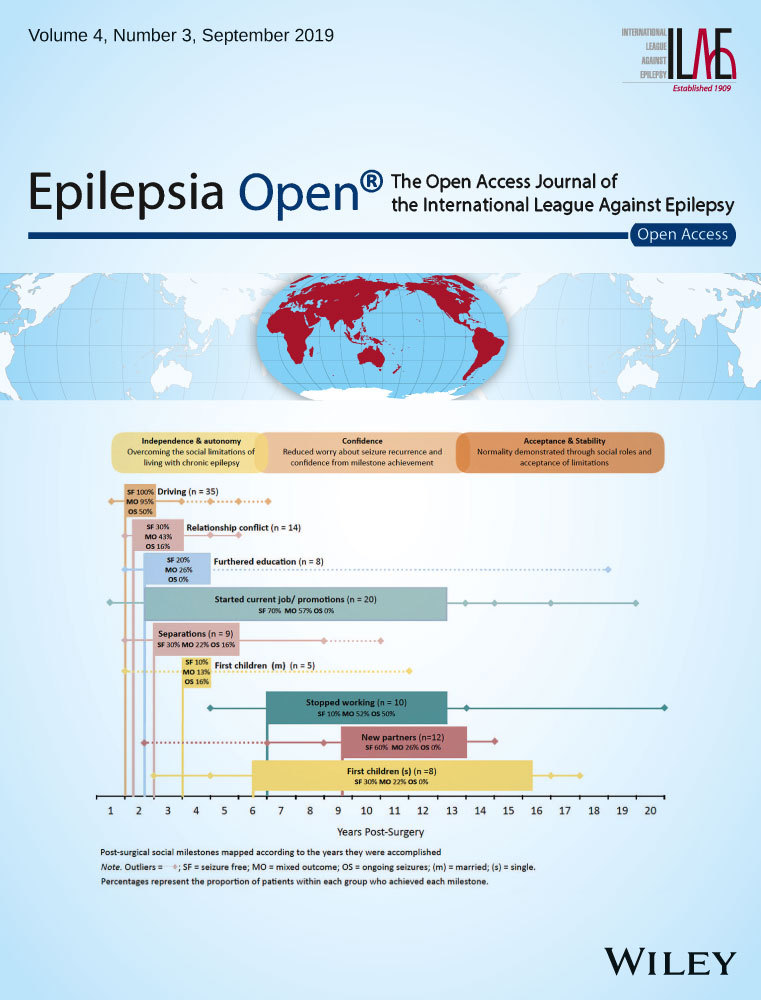 “C57BL/6J mice infected with Theiler’s murine encephalomyelitis virus (TMEV) develop acute behavioral seizures in the first week of infection and later develop chronic epilepsy. The TMEV model provides a useful platform to test novel antiseizure therapeutics.
 “Mixtures of different Cannabis sativa phytocannabinoids are more active biologically than single phytocannabinoids. However, cannabis terpenoids as potential instigators of phytocannabinoid activity have not yet been explored in detail.
 “Among the assisted reproductive techniques, the in vitro maturation of oocytes (IVM) is less developed than other techniques, but its implementation would entail a qualitative advance.
 “Small molecules targeting peripheral CB1 receptors have therapeutic potential in a variety of disorders including obesity-related, hormonal and metabolic abnormalities, while avoiding the psychoactive effects in the CNS.
 “Cannabidiol (CBD) containing products are available in a plethora of flavors including oral, sublingual, and inhalable forms. Immunotoxicological effects of CBD containing liquids were assessed by hypothesizing that CBD regulates oxidative stress and lipopolysaccharide (LPS) induced inflammatory responses in macrophages, epithelial cells, and fibroblasts.
 “Cocaine abuse continues to be a serious health problem worldwide. Despite intense research there is currently no FDA-approved medication to treat cocaine use disorder. The recent search has been focused on agents targeting primarily the dopamine system, while limited success has been achieved at the clinical level.
