
Cannabinoids might be substances with possible therapeutic potential for cancer because they can attenuate the side effects of chemotherapy and have antiproliferative and antimetastatic effects.
We aim to determine, through a systematic review of experimental studies performed on animal CRC models, if cannabinoids can reduce the formation of preneoplastic lesions (aberrant crypt foci), number, and volume of neoplastic lesions.
Results: Eight in vivo experimental studies were included in the analysis after the full-text evaluation. Seven studies were azoxymethane (AOM) colorectal cancer models, and four studies were xenograft models. Cannabidiol botanical substance (CBD BS) and rimonabant achieved high aberrant crypt foci (ACF) reduction (86% and 75.4%, respectively). Cannabigerol, O-1602, and URB-602 demonstrated a high capacity for tumor volume reduction. Induction of apoptosis, interaction with cell survival, growth pathways, and angiogenesis inhibition were the mechanisms extracted from the studies that explain cannabinoids’ actions on CRC.
Conclusions: Cannabinoids have incredible potential as antineoplastic agents as experimental models demonstrate that they can reduce tumor volume and ACF formation. It is crucial to conduct more experimental studies to understand the pharmacology of cannabinoids in CRC better.”
https://pubmed.ncbi.nlm.nih.gov/32765628/
“Current literature findings demonstrate that cannabinoids might have potential as antineoplastic agents because they can reduce tumor volume and ACF formation.”
https://www.hindawi.com/journals/ecam/2020/2371527/

 “In this study, we investigated the effects of exposition to IC50 dose for 24 h of a new synthetic cannabinoid (CB83) and of phytocannabinoids Δ9-tetrahydrocannabinol (THC) and cannabidiol (CBD) on HT-29 colorectal carcinoma cells. Cell viability and proliferative activity evaluated using the MTT, lactate dehydrogenase (LDH), and CyQUANT assays showed that cell viability was significantly affected when CB83, THC, and CBD were administered to cells.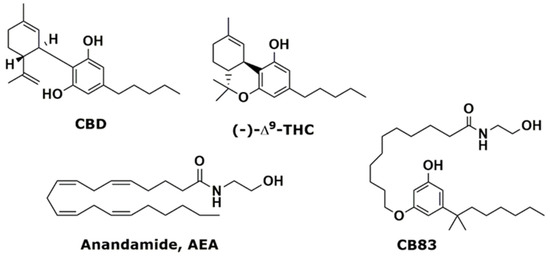
 “In recent years, and even more since its legalization in several jurisdictions, cannabis and the endocannabinoid system have received an increasing amount of interest related to their potential exploitation in clinical settings. Cannabinoids have been suggested and shown to be effective in the treatment of various conditions. In cancer, the endocannabinoid system is altered in numerous types of tumours and can relate to cancer prognosis and disease outcome. Additionally, cannabinoids display anticancer effects in several models by suppressing the proliferation, migration and/or invasion of cancer cells, as well as tumour angiogenesis. However, the therapeutic use of cannabinoids is currently limited to the treatment of symptoms and pain associated with chemotherapy, while their potential use as cytotoxic drugs in chemotherapy still requires validation in patients. Along with cannabinoids, cannabis contains several other compounds that have also been shown to exert anti-tumorigenic actions. The potential anti-cancer effects of cannabinoids, terpenes and flavonoids, present in cannabis, are explored in this literature review.”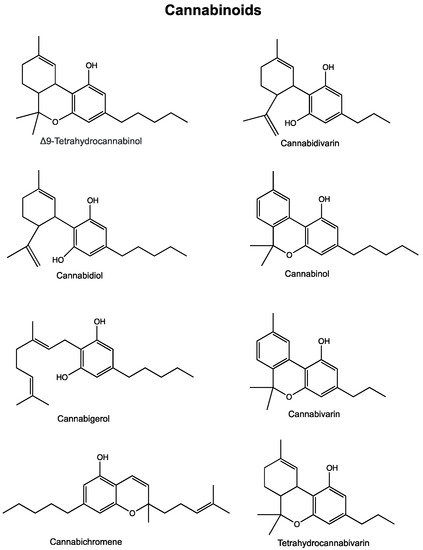
 “Colorectal cancer (CRC) has a high mortality rate and is one of the most difficult diseases to manage due to tumour resistance and metastasis. The treatment of choice for CRC is reliant on the phase and time of diagnosis. Despite several conventional treatments available to treat CRC (surgical excision, chemo-, radiation- and immune-therapy), resistance is a major challenge, especially if it has metastasized. Additionally, these treatments often cause unwanted adverse side effects and so it remains imperative to investigate, alternative combination therapies.
 “The recent announcement of marijuana legalization in Canada spiked many discussions about potential health benefits of Cannabis sativa.
 “This study attempted to provide the effects and mechanisms of two cannabinoids, O-1602 and
  “Total phenolic content and antioxidant activity of polar extracts of edible resources from Fedora hemp cultivar (Cannabis sativa L.), namely seed, flour and oil, were evaluated. The main components in the polar extracts were identified using HPLC-DAD and HPLC-ESI-MS/MS. As expected, the molecular profile of components from seeds and flour was strictly similar, dominated by N-trans-caffeoyltyramine. The profile of oil polar extracts contained hydroxycinnamic acid derivatives and
  “Phytocannabinoids are unique terpenophenolic compounds predominantly produced in the glandular trichomes of the cannabis plant (Cannabis sativa L.). The delta-9- tetrahydrocannabinol (THC) is the main active constituent responsible for the plant’s psychoactive effect and, together with the non- psychoactive cannabidiol (CBD), the most investigated naturally occurring cannabinoid.