Novel approaches and current challenges with targeting the endocannabinoid system.

 Publication Cover“The pathophysiological relevance of the endocannabinoid system has been widely demonstrated in a variety of diseases including cancer, neurological disorders, and metabolic issues. Therefore, targeting the receptors and the endogenous machinery involved in this system can provide a successful therapeutic outcome.

Ligands targeting the canonical cannabinoid receptors, CB1 and CB2, along with inhibitors of the endocannabinoid enzymes have been thoroughly studied in diverse disease models. In fact, phytocannabinoids such as cannabidiol or Δ9-tetrahydrocannabinol are currently on the market for the management of neuropathic pain due to spasticity in multiple sclerosis or seizures in children epilepsy amongst others.

Expert opinion: Even if orthosteric CB1 and CB2 ligands are on the forefront in cannabinoid clinical research, emerging strategies such as allosteric or biased modulation of these receptors along with controlled off-targets effects may increase the therapeutic potential of cannabinoids.”

https://www.ncbi.nlm.nih.gov/pubmed/32336154

“Multi-target approaches could be promising strategies for the treatment of endocannabinoid system-related disorders. The authors believe that phytocannabinoids are at the forefront of future clinical research.”

https://www.tandfonline.com/doi/abs/10.1080/17460441.2020.1752178?journalCode=iedc20

Endocannabinoid-Mediated Neuromodulation in the Olfactory Bulb: Functional and Therapeutic Significance.

ijms-logo “Endocannabinoid synthesis in the human body is naturally occurring and on-demand.

It occurs in response to physiological and environmental stimuli, such as stress, anxiety, hunger, other factors negatively disrupting homeostasis, as well as the therapeutic use of the phytocannabinoid cannabidiol and recreational use of exogenous cannabis.

Together with their specific receptors CB1R and CB2R, endocannabinoids are major components of endocannabinoid-mediated neuromodulation in a rapid and sustained manner. Extensive research on endocannabinoid function and expression includes studies in limbic system structures such as the hippocampus and amygdala.

The wide distribution of endocannabinoids, their on-demand synthesis at widely different sites, their co-existence in specific regions of the body, their quantitative differences in tissue type, and different pathological conditions indicate their diverse biological functions that utilize specific and overlapping pathways in multiple organ systems.

Here, we review emerging evidence of these pathways with a special emphasis on the role of endocannabinoids in decelerating neurodegenerative pathology through neural networks initiated by cells in the main olfactory bulb.”

https://www.ncbi.nlm.nih.gov/pubmed/32325875

https://www.mdpi.com/1422-0067/21/8/2850

Endocannabinoids and Stroke Prevention: Review of Clinical Studies.

View details for Cannabis and Cannabinoid Research cover image“The societal burden of ischemic stroke suggests a need for additional therapeutic categories in stroke prevention.

Modulation of the endocannabinoid system (ECS) is a rational target for stroke prevention because of its effects on inflammation, vascular tone, and metabolic balance, all well-described stroke risk factors.

In this article, we summarize the existing ECS clinical studies in human subjects’ research as they relate to conventional vascular risk factors associated with ischemic stroke.”

https://www.ncbi.nlm.nih.gov/pubmed/32322672

https://www.liebertpub.com/doi/10.1089/can.2018.0066

“The endocannabinoid system and stroke: A focused review. This review seeks to summarize the recent evidence for the role of the endocannabinoid signaling system in stroke pathophysiology, as well as the evidence from preclinical studies regarding the efficacy of cannabinoids as neuroprotective therapies in the treatment of stroke.” https://www.ncbi.nlm.nih.gov/pmc/articles/PMC6458776/

Chronic Psychosocial Stress Causes Increased Anxiety-Like Behavior and Alters Endocannabinoid Levels in the Brain of C57Bl/6J Mice.

View details for Cannabis and Cannabinoid Research cover image“Chronic stress causes a variety of physiological and behavioral alterations, including social impairments, altered endocrine function, and an increased risk for psychiatric disorders. Thereby, social stress is one of the most effective stressful stimuli among mammals and considered to be one of the major risk factors for the onset and progression of neuropsychiatric diseases.

Although the chronic social defeat stress model has been extensively studied, little is known about the effects of repeated or chronic social defeat stress on the endocannabinoid system (ECS).

The present study aimed to understand the effects of chronic social stress on anxiety behavior and the levels of endocannabinoids (ECs) and two N-acylethanolamines (NAEs) in different brain regions of mice.


The current study confirms that the ECS plays an essential role in stress responses, whereby its modulation seems to be brain region dependent.”

https://www.ncbi.nlm.nih.gov/pubmed/32322676

https://www.liebertpub.com/doi/10.1089/can.2019.0041

“Deficiency in endocannabinoid signaling in the nucleus accumbens induced by chronic unpredictable stress.” https://www.ncbi.nlm.nih.gov/pubmed/20664582

“Cannabinoids ameliorate impairments induced by chronic stress to synaptic plasticity and short-term memory.” https://www.ncbi.nlm.nih.gov/pubmed/23426383

“Blunted stress reactivity in chronic cannabis users.”  https://link.springer.com/article/10.1007/s00213-017-4648-z?no-access=true

A Guide to Targeting the Endocannabinoid System in Drug Design.

ijms-logo “The endocannabinoid system (ECS) is one of the most crucial systems in the human organism, exhibiting multi-purpose regulatory character. It is engaged in a vast array of physiological processes, including nociception, mood regulation, cognitive functions, neurogenesis and neuroprotection, appetite, lipid metabolism, as well as cell growth and proliferation. Thus, ECS proteins, including cannabinoid receptors and their endogenous ligands’ synthesizing and degrading enzymes, are promising therapeutic targets. Their modulation has been employed in or extensively studied as a treatment of multiple diseases. However, due to a complex nature of ECS and its crosstalk with other biological systems, the development of novel drugs turned out to be a challenging task. In this review, we summarize potential therapeutic applications for ECS-targeting drugs, especially focusing on promising synthetic compounds and preclinical studies. We put emphasis on modulation of specific proteins of ECS in different pathophysiological areas. In addition, we stress possible difficulties and risks and highlight proposed solutions. By presenting this review, we point out information pivotal in the spotlight of ECS-targeting drug design, as well as provide an overview of the current state of knowledge on ECS-related pharmacodynamics and show possible directions for needed research.”

https://www.ncbi.nlm.nih.gov/pubmed/32316328

https://www.mdpi.com/1422-0067/21/8/2778

Cannabinoids as therapeutics for PTSD.

Pharmacology & Therapeutics“Post-traumatic stress disorder (PTSD) is a complex disorder that involves dysregulation of multiple neurobiological systems. The traumatic stressor plays a causal role in producing psychological dysfunction and the pattern of findings suggests that the hypothalamic-pituitary-adrenal (HPA) axis, which is instrumental for stress adaptation, is critically dysfunctional in PTSD. Given the lack of understanding of the basic mechanisms and underlying pathways that cause the disorder and its heterogeneity, PTSD poses challenges for treatment.

Targeting the endocannabinoid (ECB) system to treat mental disorders, and PTSD in particular, has been the focus of research and interest in recent years. The ECB system modulates multiple functions, and drugs enhancing ECB signaling have shown promise as potential therapeutic agents in stress effects and other psychiatric and medical conditions.

In this review, we focus on the interaction between the ECB-HPA systems in animal models for PTSD and in patients with PTSD. We summarize evidence supporting the use of cannabinoids in preventing and treating PTSD in preclinical and clinical studies. As the HPA system plays a key role in the mediation of the stress response and the pathophysiology of PTSD, we describe preclinical studies suggesting that enhancing ECB signaling is consistent with decreasing PTSD symptoms and dysfunction of the HPA axis.

Overall, we suggest that a pharmacological treatment targeted at one system (e.g., HPA) may not be very effective because of the heterogeneity of the disorder. There are abnormalities across different neurotransmitter systems in the pathophysiology of PTSD and none of these systems function uniformly among all patients with PTSD. Hence, conceptually, enhancing ECB signaling may be a more effective avenue for pharmacological treatment.”

https://www.ncbi.nlm.nih.gov/pubmed/32311373

https://www.sciencedirect.com/science/article/abs/pii/S0163725820300796?via%3Dihub

Cannabinoids.

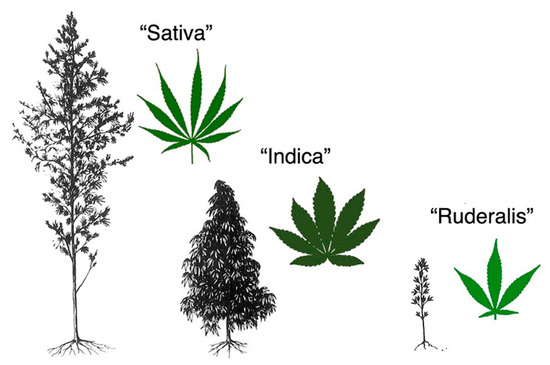
Cover of StatPearls“Cannabinoids, broadly speaking, are a class of biological compounds that bind to cannabinoid receptors. They are most frequently sourced from and associated with the plants of the Cannabis genus, including Cannabis sativaCannabis indica, and Cannabis ruderalis.

The earliest known use of cannabinoids dates back 5,000 years ago in modern Romania, while the documentation of the earliest medical dates back to around 400 AD. However, formal extraction, isolation, and structural elucidation of cannabinoids have taken place rather recently in the late 19th and early 20th centuries. Since then, numerous advancements have been made in further isolating naturally occurring cannabinoids, synthesizing artificial equivalents, and discovering the endogenous the endocannabinoid system in mammals, reptiles, fish, and birds.”

https://www.ncbi.nlm.nih.gov/pubmed/32310522

https://www.ncbi.nlm.nih.gov/books/NBK556062/

Age-dependent Alteration in Mitochondrial Dynamics and Autophagy in Hippocampal Neuron of Cannabinoid CB1 receptor-deficient Mice.

Brain Research Bulletin“Endocannabinoid system activity contributes to the homeostatic defense against aging and thus may counteract the progression of brain aging.

The cannabinoid type 1 (CB1) receptor activity declines with aging in the brain, which impairs neuronal network integrity and cognitive functions.

Altogether, these findings suggest that reduced CB1 signaling in CB1-KO mice leads to reduced mitophagy and abnormal mitochondrial morphology in hippocampal neurons during aging.

These mitochondrial changes might be due to the impairments in mitochondrial quality control system, which links age-related decline in CB1 activity and impaired memory.”

https://www.ncbi.nlm.nih.gov/pubmed/32294520

https://www.sciencedirect.com/science/article/abs/pii/S0361923020301386?via%3Dihub

“Cannabinoid receptor stimulation is anti-inflammatory and improves memory in old rats” https://www.ncbi.nlm.nih.gov/pmc/articles/PMC2586121/

Cannabinoids as anticancer therapeutic agents.

Cell Cycle Journal are Co-Sponsoring #ACCM15 – The Cell Division Lab “The recent announcement of marijuana legalization in Canada spiked many discussions about potential health benefits of Cannabis sativaCannabinoids are active chemical compounds produced by cannabis, and their numerous effects on the human body are primarily exerted through interactions with cannabinoid receptor types 1 (CB1) and 2 (CB2). Cannabinoids are broadly classified as endo-, phyto-, and synthetic cannabinoids. In this review, we will describe the activity of cannabinoids on the cellular level, comprehensively summarize the activity of all groups of cannabinoids on various cancers and propose several potential mechanisms of action of cannabinoids on cancer cells.”

https://www.ncbi.nlm.nih.gov/pubmed/32249682

“Endocannabinoids and phytocannabinoids can be used for cancer therapy. Cannabis extracts have stronger anti-tumor capacity than single cannabinoids. Combination of several cannabinoids may have more potent effect on cancer.”

https://www.tandfonline.com/doi/abs/10.1080/15384101.2020.1742952?journalCode=kccy20

Terpenoids, Cannabimimetic Ligands, beyond the Cannabis Plant.

molecules-logo “Medicinal use of Cannabis sativa L. has an extensive history and it was essential in the discovery of phytocannabinoids, including the Cannabis major psychoactive compound-Δ9-tetrahydrocannabinol (Δ9-THC)-as well as the G-protein-coupled cannabinoid receptors (CBR), named cannabinoid receptor type-1 (CB1R) and cannabinoid receptor type-2 (CB2R), both part of the now known endocannabinoid system (ECS).

Cannabinoids is a vast term that defines several compounds that have been characterized in three categories: (i) endogenous, (ii) synthetic, and (iii) phytocannabinoids, and are able to modulate the CBR and ECS. Particularly, phytocannabinoids are natural terpenoids or phenolic compounds derived from Cannabis sativa.

However, these terpenoids and phenolic compounds can also be derived from other plants (non-cannabinoids) and still induce cannabinoid-like properties. Cannabimimetic ligands, beyond the Cannabis plant, can act as CBR agonists or antagonists, or ECS enzyme inhibitors, besides being able of playing a role in immune-mediated inflammatory and infectious diseases, neuroinflammatory, neurological, and neurodegenerative diseases, as well as in cancer, and autoimmunity by itself.

In this review, we summarize and critically highlight past, present, and future progress on the understanding of the role of cannabinoid-like molecules, mainly terpenes, as prospective therapeutics for different pathological conditions.”

https://www.ncbi.nlm.nih.gov/pubmed/32235333

https://www.mdpi.com/1420-3049/25/7/1567