
 “Studies have reported changes in the endocannabinoid system in the brain of patients with Alzheimer’s disease (AD), playing a role in the pathophysiology of AD. Cannabinoids have been shown to have neuroprotective properties, reduce neuroinflammation, and enhance neurogenesis. Evidence suggests that the utilization of marijuana products containing both tetrahydrocannabinol (THC) and cannabidiol (CBD) or CBD alone have been effective and safe for use in older people with agitation associated with dementia.
A review in 2017 summarized positive findings for therapeutic benefits of cannabinoids in agitation of AD and dementia, but there was no definitive conclusion because of varying cannabinoid products. Cannabinoids were shown to be well tolerated, with few short-term side effects. This differs from first-line medications utilized for dementia behaviors, which can have unwanted side effects. Further research regarding the safety, efficacy, and variability of these products in older people is needed.”
 “The Cannabis plant contains numerous components, including cannabinoids and other active molecules. The phyto-cannabinoid activity is mediated by the endocannabinoid system. Cannabinoids affect the nervous system and play significant roles in the regulation of the immune system.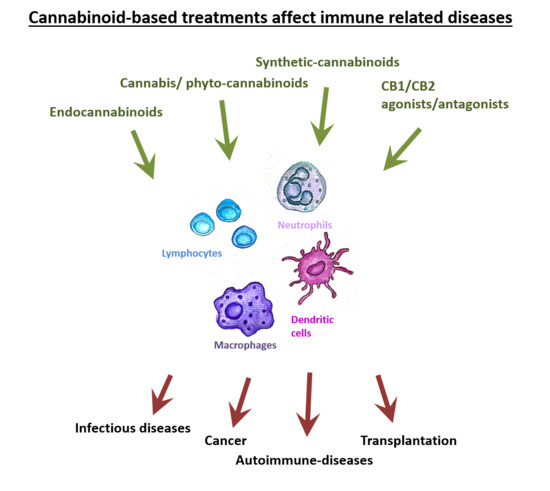
 “Non-steroidal anti-inflammatory drugs (NSAIDs) are known to produce antinociceptive effects mainly through peripheral
  “Cannabis-inspired medical products are garnering increasing attention from the scientific community, general
  “The phosphatidylinositol 3-kinase (PI3K)/protein kinase B (PKB/Akt)/mechanistic target of rapamycin (mTOR) signaling pathway has been associated with several pathologies in the central nervous system (CNS), including epilepsy. There is evidence supporting the hypothesis that the PI3Kγ signaling pathway may mediate the powerful anticonvulsant properties associated with the cannabinoidergic system.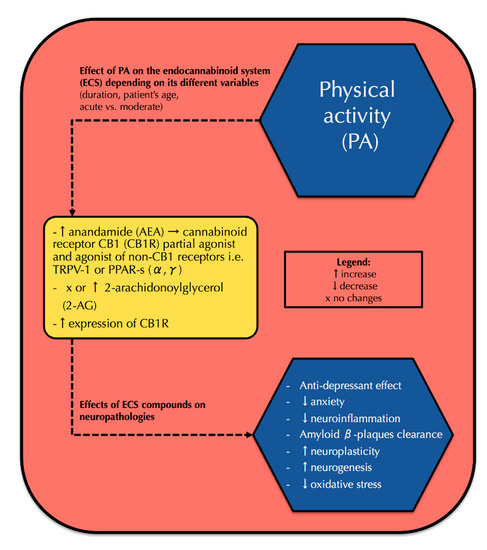
 “Irritable bowel syndrome (IBS) is a frequent cause of abdominal pain and altered bowel habits, which is associated with significant healthcare utilization.
 “Growing evidence recognises cannabinoid receptors as potential therapeutic targets for pain. Consequently, there is increasing interest in developing cannabinoid receptor agonists for treating pain.
 “Obesity rates are increasing worldwide and there is a need for novel therapeutic treatment options.