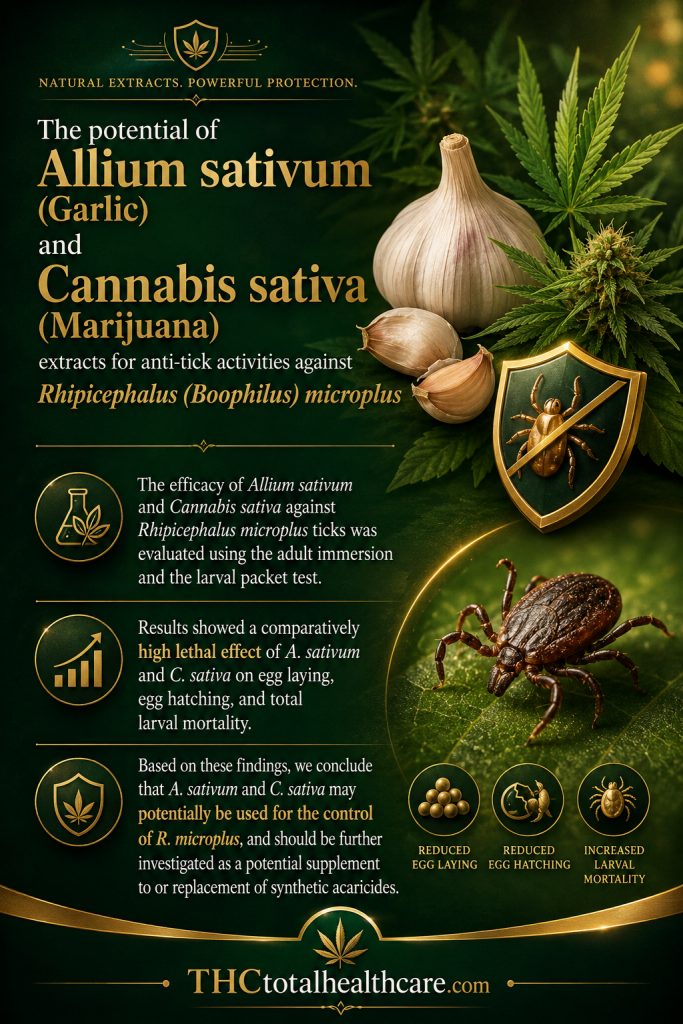
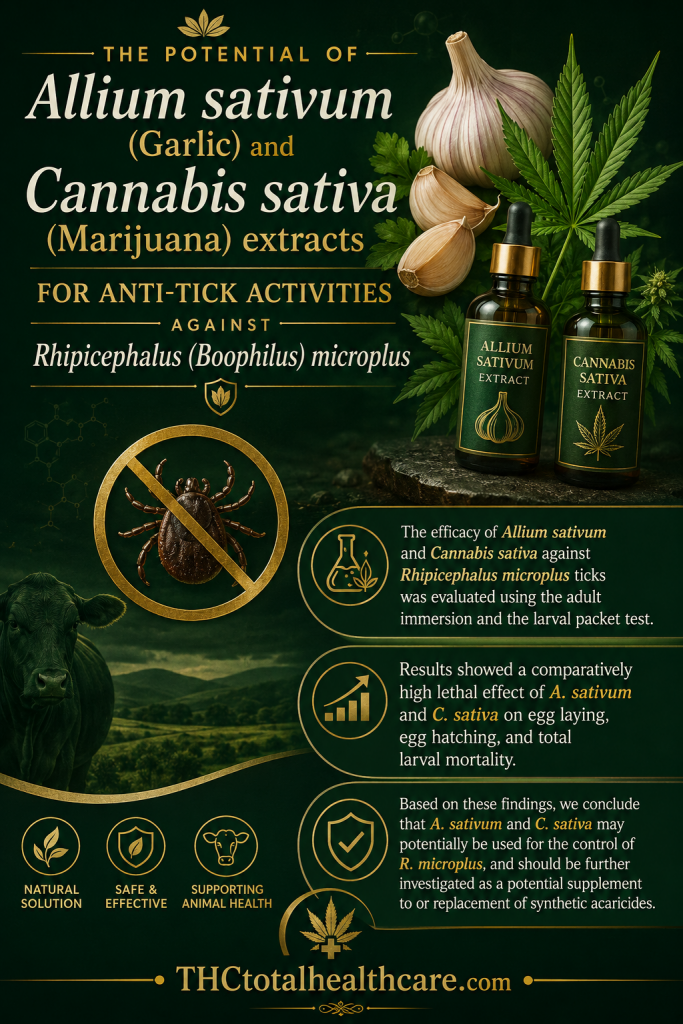
“The efficacy of Allium sativum and Cannabis sativa against Rhipicephalus microplus ticks was evaluated using the adult immersion and the larval packet test. In addition, an in silico approach was utilized by performing a docking study in order to identify the active ingredients from both plants.
Results showed a comparatively high lethal effect of A. sativum and C. sativa on egg laying (index of egg laying = 0.26 and 0.24, respectively), egg hatching (33.5 and 37.1, respectively), and total larval mortality (100%, both), at 40 mg/mL.
When applied to cattle which had been inoculated with larvae ticks, it was observed that a 45% solution of both herbal extracts significantly reduced the number of ticks by 96 h post treatment.
We analyzed in silico 27 known active molecules from both plants and identified in the PubChem database to explore the hypothesis that the effect found on ticks was based on inhibition of acetylcholinesterase (AChE).
Vitamin E and cannabidiol are the most potent AChE inhibitors with docking scores of -15.85 and -14.38, respectively.
Based on these findings, we conclude that A. sativum and C. sativa may potentially be used for the control of R. microplus, and should be further investigated as a potential supplement to or replacement of synthetic acaricides.”
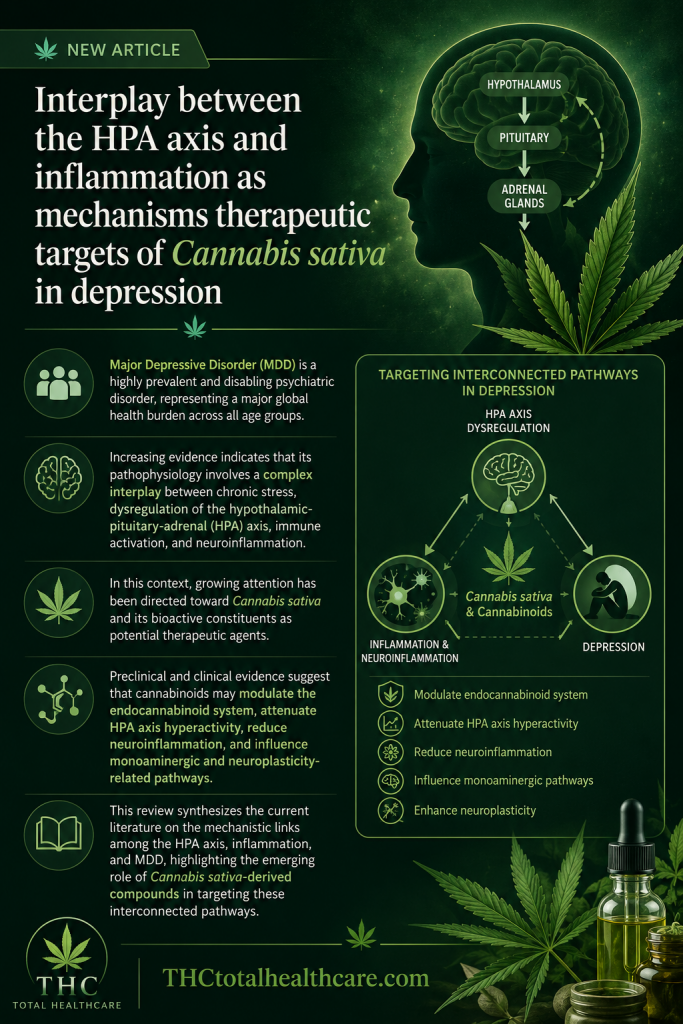
“Major Depressive Disorder (MDD) is a highly prevalent and disabling psychiatric disorder, representing a major global health burden across all age groups.
Increasing evidence indicates that its pathophysiology involves a complex interplay between chronic stress, dysregulation of the hypothalamic-pituitary-adrenal (HPA) axis, immune activation, and neuroinflammation. Persistent HPA axis hyperactivity, glucocorticoid resistance, and altered expression of key regulators such as FKBP51 contribute to sustained inflammatory signaling and impaired neural plasticity in brain regions involved in mood regulation. Epigenetic mechanisms, including DNA methylation and microRNA-mediated regulation, further modulate stress responsivity, inflammatory pathways, and vulnerability to major depressive disorder.
In this context, growing attention has been directed toward Cannabis sativa and its bioactive constituents as potential therapeutic agents.
Preclinical and clinical evidence suggest that cannabinoids may modulate the endocannabinoid system, attenuate HPA axis hyperactivity, reduce neuroinflammation, and influence monoaminergic and neuroplasticity-related pathways.
This review synthesizes the current literature on the mechanistic links among the HPA axis, inflammation, and MDD, highlighting the emerging role of Cannabis sativa-derived compounds in targeting these interconnected pathways.”
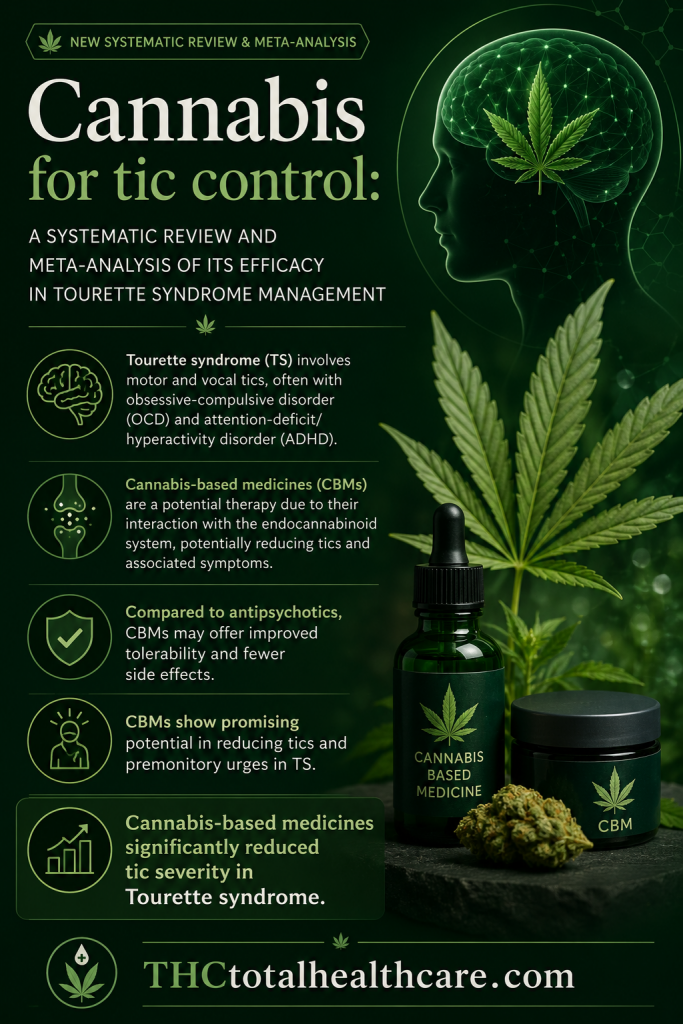
“Background: Tourette syndrome (TS) involves motor and vocal tics, often with obsessive-compulsive disorder (OCD) and attention-deficit/hyperactivity disorder (ADHD). Cannabis-based medicines (CBMs) are a potential therapy due to their interaction with the endocannabinoid system, potentially reducing tics and associated symptoms. Compared to antipsychotics, CBMs may offer improved tolerability and fewer side effects. Although evidence is limited, emerging studies suggest their potential to improve quality of life in TS. This review was registered with PROSPERO (CRD420251088633).
Aim: To evaluate the effectiveness of CBMs in treating TS.
Methods: We systematically searched PubMed, Google Scholar, ScienceDirect, and the Cochrane Collaboration Database for cohort studies and randomized controlled trials (RCTs) up to July 2, 2025. Data extraction included study characteristics and efficacy outcomes measured by the Yale Global Tic Severity Scale (YGTSS) and Premonitory Urge for Tics Scale (PUTS). Meta-analysis using Review Manager 5.4 compared pre- and post-treatment scores using mean difference (MD) and 95% confidence intervals (CI).
Results: From 1,105 screened articles, eight studies met inclusion criteria for the review, and seven were included in the meta-analysis, involving 306 adult TS patients. CBMs significantly reduced YGTSS scores (MD = – 13.29, 95% CI [-21.67 to – 4.91], P = 0.002) and PUTS scores (MD = – 4.09, 95% CI [-7.24 to – 0.93], P = 0.01).
Conclusion: CBMs show promising potential in reducing tics and premonitory urges in TS. Larger, placebo-controlled trials are needed to confirm efficacy, ensure safety, and optimize dosing.”
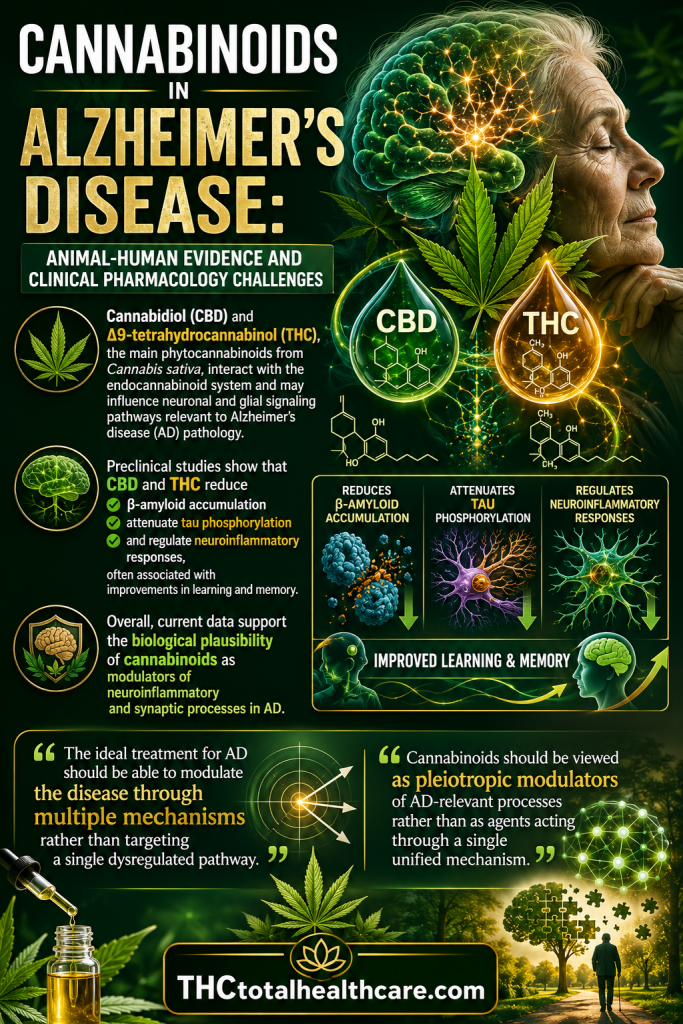
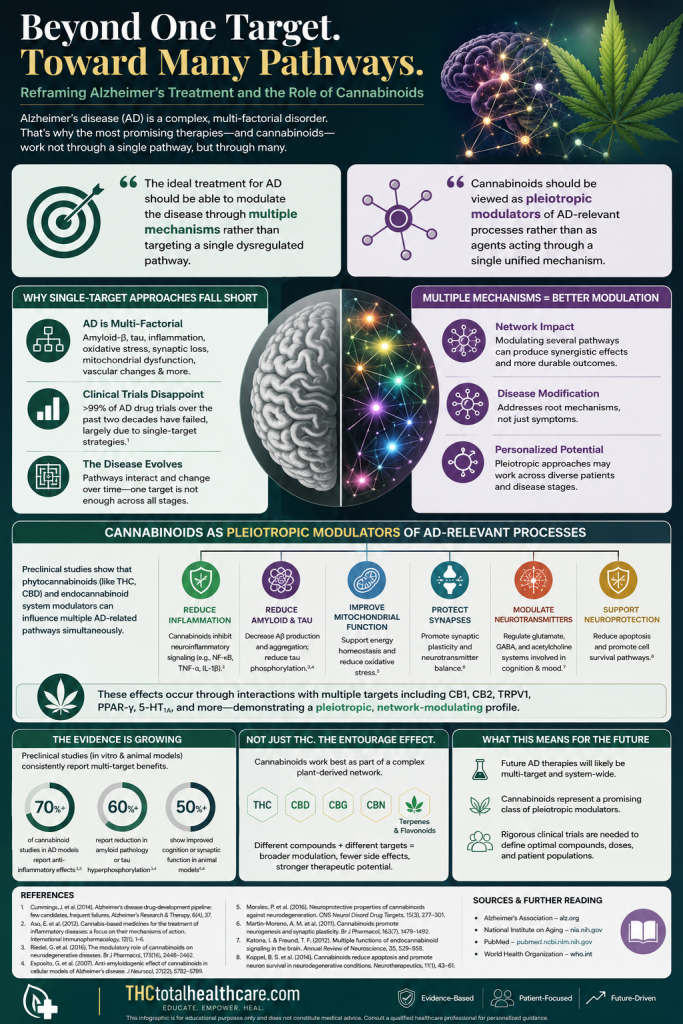
“Cannabinoids have emerged as potential modulators of pathological processes in Alzheimer’s disease (AD), including neuroinflammation, synaptic dysfunction, and protein aggregation. Cannabidiol (CBD) and Δ9-tetrahydrocannabinol (THC), the main phytocannabinoids from Cannabis sativa, interact with the endocannabinoid system and may influence neuronal and glial signaling pathways relevant to AD pathology.
This mini review summarizes evidence from transgenic animal models and clinical studies evaluating CBD, THC, and their combination in AD.
Preclinical studies show that CBD and THC reduce β-amyloid accumulation, attenuate tau phosphorylation, and regulate neuroinflammatory responses, often associated with improvements in learning and memory. Cognitive outcomes appear to depend on cannabinoid composition, with CBD or THC administered individually showing more consistent effects, while combined CBD + THC effects appear dose- and ratio-dependent.
Clinical evidence in AD patients remains limited and primarily reports improvements in neuropsychiatric symptoms, such as reductions in agitation, nighttime activity, and behavioral disturbances, whereas cognitive improvements are modest. Cannabinoid-based treatments are generally well tolerated, with mild sedation, somnolence, or disorientation as the most reported adverse effects.
Overall, current data support the biological plausibility of cannabinoids as modulators of neuroinflammatory and synaptic processes in AD. However, heterogeneity in formulations, dosing, and study design limits firm conclusions. Future research should focus on dose optimization, biomarker-guided clinical trials, and long-term safety assessments to better define their therapeutic potential in AD.”
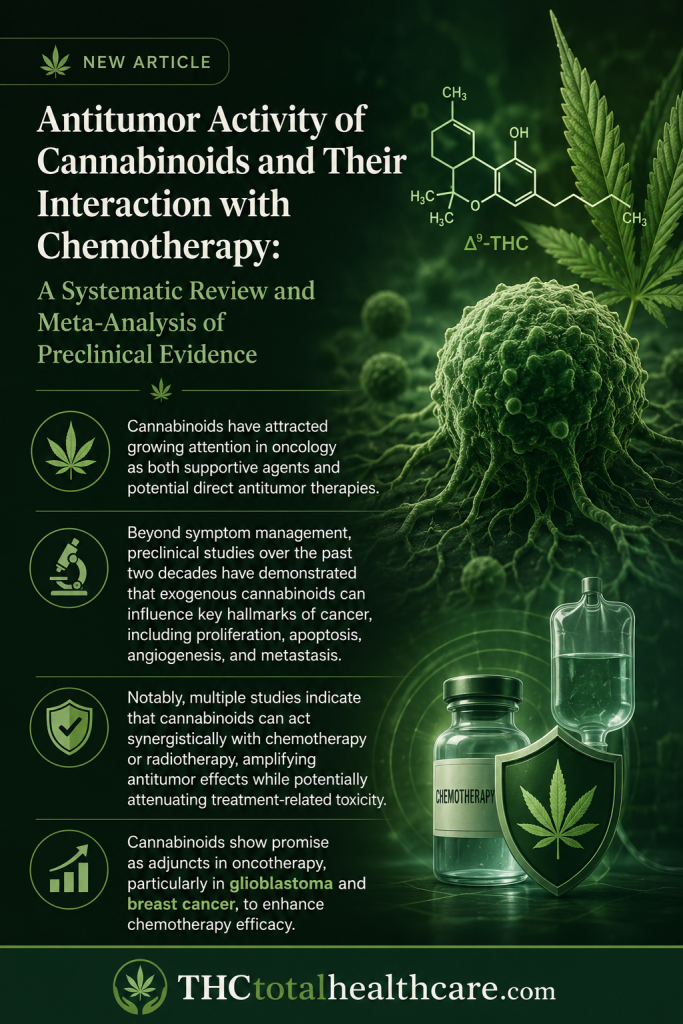
“Background: Cannabinoids are studied as anticancer agents, but their effects vary across tumors, compounds, and experimental settings, underscoring the need to define consistent patterns. Our objective was to map cannabinoid efficacy across cancer preclinical models and identify tumor settings with the greatest translational promise.
Methods: The protocol was registered on PROSPERO (CRD42025543744); PubMed, Embase, and CENTRAL were searched on 4 April 2024 for in vitro and in vivo studies assessing cannabinoid antitumor effects alone or with chemotherapy versus vehicle or chemotherapy only. Random-effects models yielded pooled mean differences (MD) with 95% confidence intervals (CI). MDs of viable cells were calculated for in vitro assays and tumor volume (mm3) for in vivo studies. Reports of various compounds, cannabidiol (CBD), tetrahydrocannabinol (THC) or synthetic cannabinoids, were pooled.
Results: We included 189 studies in the final analysis. In vitro, cannabinoids reduced cell viability modestly overall, with significant effects in glioblastoma (MD -18.77 [CI: -27.15; -10.39]) and a nonsignificant trend in breast cancer (MD -6.75 [CI: -13.90; 0.40]). For in vivo, monotherapy showed the most consistent efficacy in glioblastoma, significantly reducing tumor volume by MD -980.58 mm3; [CI: -1270.2; -690.88]. Addition to temozolomide produced a favorable but nonsignificant decrease of MD -220.65 mm3; [CI: -579.34; 138.03, vs. temozolomide]. In breast cancer, cannabinoids achieved smaller yet significant tumor reductions (MD -402.64 mm3); [CI: -671.84; -133.45]. Synthetic agents had the largest effect (MD -1295.19 mm3); [CI: -1664.33; -928.05] -CBD plus doxorubicin vs. doxorubicin). Lung cancer (MD -562.17 mm3); [CI: -693.99; -430.35] and prostate cancer (MD -1136.59 mm3); [95% CI: -1320.97; -952.21] also had a significant response, whereas colon, pancreatic, and hepatocellular carcinoma models showed inconsistent or null responses.
Conclusions: Cannabinoids show promise as adjuncts in oncotherapy, particularly in glioblastoma and breast cancer, to enhance chemotherapy efficacy. These findings should be interpreted with caution given the high inter-study heterogeneity typical of preclinical research and should be considered hypothesis-generating, warranting further validation in standardized and clinically relevant models.”
“Cannabinoids have attracted growing attention in oncology as both supportive agents and potential direct antitumor therapies.”
“Beyond symptom management, preclinical studies over the past two decades have demonstrated that exogenous cannabinoids can influence key hallmarks of cancer, including proliferation, apoptosis, angiogenesis, and metastasis.”
“Notably, multiple studies indicate that cannabinoids can act synergistically with chemotherapy or radiotherapy, amplifying antitumor effects while potentially attenuating treatment-related toxicity. These interactions are clinically appealing, as they suggest a capacity to sensitize tumor cells to conventional agents and possibly enable dose reductions that limit systemic adverse effects.”
“Cannabinoids show emerging potential as adjuncts in oncological treatment, with relatively consistent signals observed particularly in glioblastoma and breast cancer models.”
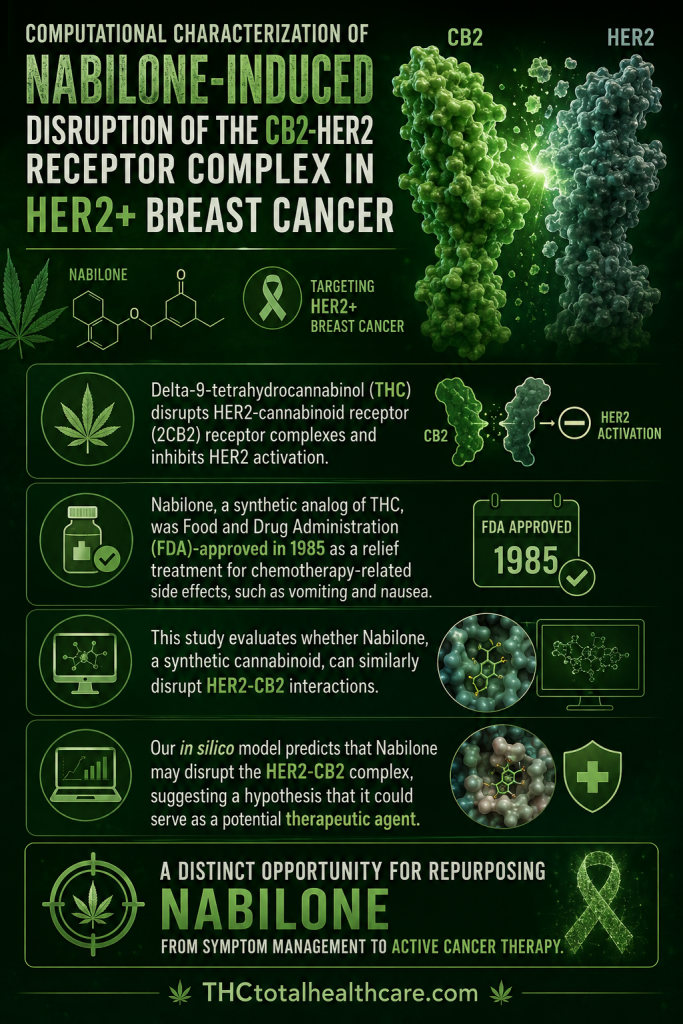
This study evaluates whether Nabilone, a synthetic cannabinoid, can similarly disrupt HER2-CB2 interactions.
A CB2-HER2 complex model was generated via protein-protein docking. Three 1-µs molecular dynamics simulations (CB2-HER2, CB2-HER2-THC, CB2-HER2-Nabilone) were performed using the Schrodinger Desmond with membrane embedding and solvent. Structural stability (root mean square deviation [RMSD] and root mean square fluctuation [RMSF]), binding free energy (molecular mechanics/generalized born surface area [MM/GBSA]), and intracellular/extracellular distances between receptors were analyzed. Intermolecular interactions were assessed using the MAPIYA server.
Nabilone induced comparable structural instability to THC, with increased RMSD and RMSF. The MM/GBSA analysis showed Nabilone increased the binding free energy between CB2 and HER2, indicating stronger disruption. Intracellular and extracellular distances between CB2 and HER2 increased, especially intracellularly, with Nabilone. Intermolecular interaction analysis revealed that Nabilone decreased the number of contacts, particularly hydrophobic interactions, between CB2 and HER2.
Our in silico model predicts that Nabilone may disrupt the HER2-CB2 complex, suggesting a hypothesis that it could serve as a potential therapeutic agent. These computational findings warrant urgent experimental validation.”
“Cannabinoids have produced antitumor responses in preclinical models of cancer, including HER2+ BC, via binding and activating cannabinoid receptors, CB1 and CB2, both G-protein coupled receptors (GPCRs).”
“Nabilone, a synthetic analog of THC, was Food and Drug Administration (FDA)-approved in 1985 as a relief treatment for chemotherapy-related side effects, such as vomiting and nausea.”
“Our results indicate that Nabilone effectively disrupts the oncogenic CB2-HER2 complex, weakening the heterodimer interface through a mechanism of structural instability similar to THC but with superior binding affinity to CB2. While these findings rely on in silico predictions, limited by simulation timescales and simplified membrane models, they highlight a distinct opportunity for repurposing Nabilone from symptom management to active cancer therapy. We conclude that these data provide a robust theoretical framework that justifies urgent experimental validation in living systems to confirm the therapeutic potential of disrupting CB2-HER2 signaling.”
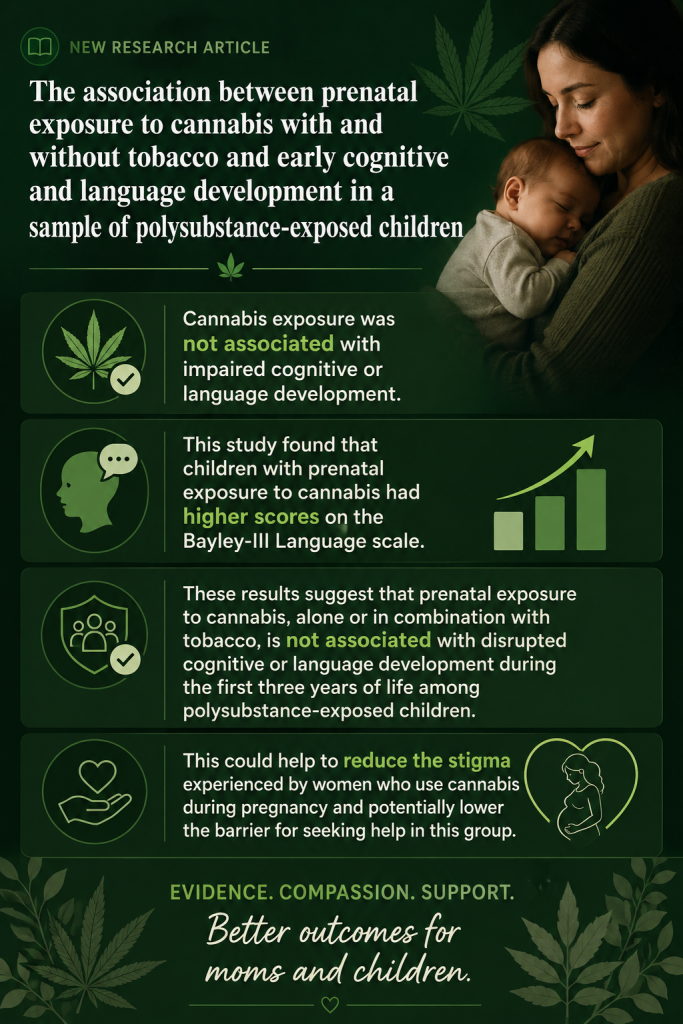
“Background: Prenatal cannabis exposure may have adverse effects on development which could be amplified by co-exposure with tobacco.
Objective: This study examined whether prenatal cannabis exposure was associated with disrupted language or cognitive development, and whether co-exposure to tobacco was associated with worse outcomes than to cannabis alone.
Methods: In this historical cohort study, we compared children from the Danish Family Outpatient Clinics who had prenatal exposure to cannabis (n = 106), tobacco (n = 138), cannabis and tobacco (n = 112), or no exposure to either drug (control group, n = 454) on the Bayley-III Language and Cognitive scales at 1-58 months of age (99.7% at ≤36 months). Roughly half were tested at multiple ages, yielding 1362 language assessments (49.2% tested ≥ twice) and 1549 cognitive assessments (53.6% tested ≥ twice). Most children had additional prenatal exposure to other drugs (49.8%), including the control group (63.9%). Scores were investigated in linear mixed models with factors Exposure Group, Age, and Exposure Group ∗ Age, and covariates alcohol exposure, other drug exposure, maternal medical diagnoses, and maternal education.
Results: Children with prenatal cannabis exposure scored significantly higher on the Language scale compared with controls (3.26 points; 95% CI = 0.26-6.26). There was a positive association between Language scores and age at assessment for children with cannabis and tobacco exposure (0.31 points/month; 95% CI = 0.11-0.51) but not the other groups. There were no significant effects of Exposure Group or Exposure Group × Age for the Bayley-III Cognitive scale.
Conclusion: Prenatal exposure to cannabis, alone or with tobacco, was not associated with disrupted cognitive or language development during the first three years of life in this sample of high-risk children.”
“Cannabis exposure was not associated with impaired cognitive or language development.”
“Using a sample of children with prenatal drug and alcohol exposure from the Danish FOCs, this study found that children with prenatal exposure to cannabis had higher scores on the Bayley-III Language scale compared with control children, and children with prenatal exposure to cannabis and tobacco had a greater increase in Bayley-III Language scores with age compared with all other groups. There were no differences on the Bayley-III Cognitive scale between children with prenatal exposure to cannabis, tobacco, both, or neither.
These results suggest that prenatal exposure to cannabis, alone or in combination with tobacco, is not associated with disrupted cognitive or language development during the first three years of life among polysubstance-exposed children. This could help to reduce the stigma experienced by women who use cannabis during pregnancy and potentially lower the barrier for seeking help in this group.”
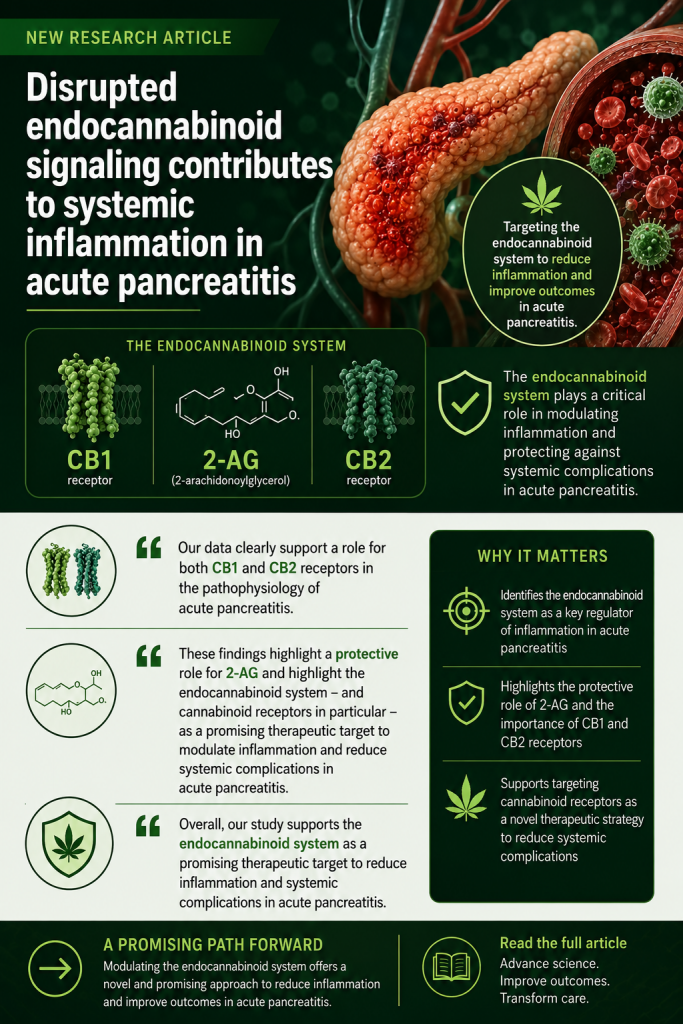
“Acute pancreatitis (AP) is an inflammatory disease that can lead to systemic complications in severe cases. The endocannabinoid system has emerged as a potential modulator of inflammation in AP.
We investigated the role of the endocannabinoid 2-arachidonoylglycerol (2-AG) and the cannabinoid receptors CB1 and CB2 during AP.
A severity-dependent decrease in circulating 2-AG was found both in patients and a murine AP model. Restoring 2-AG – by avoiding its degradation via monoacylglycerol lipase inhibitor or direct 2-AG administration – reduced local and systemic inflammation, modulated peritoneal macrophage polarization, and mitigated lung injury. Notably, endocannabinoid system effects were consistent across sexes.
Both cannabinoid receptors were involved in disease pathophysiology.
Genetic Cnr1 knockout and pharmacological CB2 blockade showed distinct and complementary roles of both receptors in regulating inflammation, immune infiltration, and pulmonary damage.
These findings highlight a protective role for 2-AG and highlight the endocannabinoid system – and cannabinoid receptors in particular – as a promising therapeutic target to modulate inflammation and reduce systemic complications in acute pancreatitis.”
“These findings raise the possibility that counteracting the inflammation-driven decline in endogenous 2-AG through pharmacological intervention may represent a promising therapeutic strategy for AP.”
“Our data clearly support a role for both CB1 and CB2 receptors in the pathophysiology of AP.”
“Overall, our study supports the ECS as promising therapeutic target to reduce inflammation and systemic complications in AP.”
“The Diminished Availability of 2-AG in Aged Synaptic Terminals is Ameliorated by a Full-Spectrum Cannabis Extract with a High THC Content. This highlights the potential of high THC content extracts as therapeutic agents for restoring the decreased 2-AG levels observed in the aging brain.”
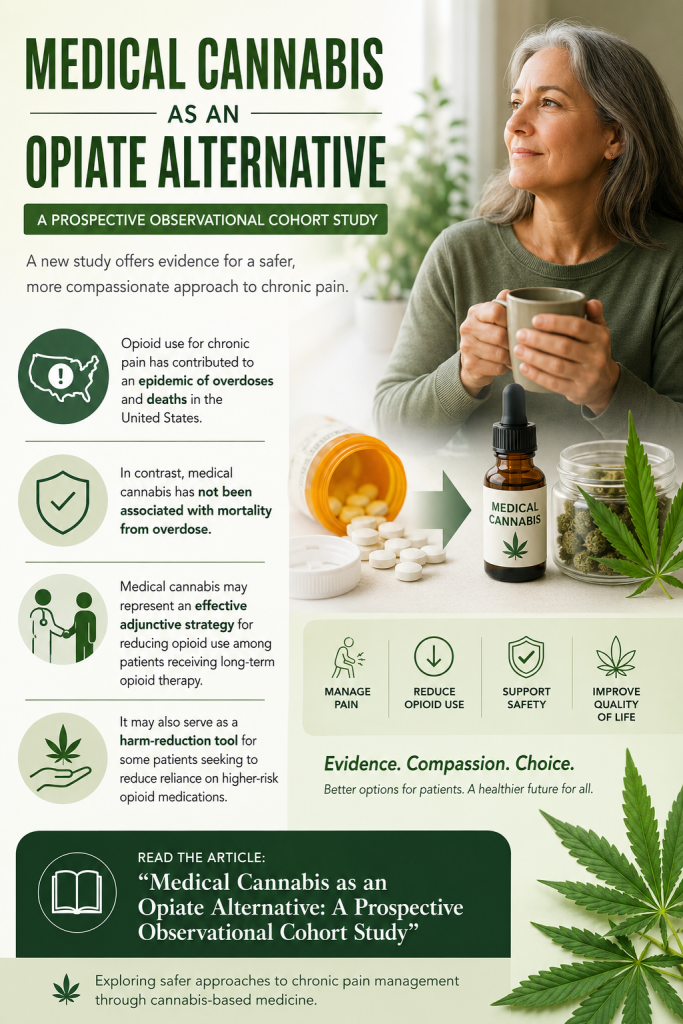
“Opioid use for chronic pain has contributed to an epidemic of overdoses and deaths in the United States.
Some clinical studies suggest that medical cannabis may help alleviate pain and improve quality of life. However, cost can be a barrier to patients accessing medical cannabis.
This is the first prospective observational study evaluating medical cannabis as an alternative to opioids in a setting where cost was removed as a major barrier.
Methods: Twenty-nine patients were recruited from a university-based outpatient chronic pain clinic. Each patient underwent monthly pain assessments using the Numeric Pain Rating Scale (NRS). Daily opioid use, measured in morphine milligram equivalents (MMEs), was recorded and monitored over five months. Pain-related quality of life was assessed using the SF-36 Health Survey at baseline, and again at two and five months.
Results: Daily opioid use decreased from baseline to one month (from 46.8 MMEs to 16.2 MMEs, a 65% reduction), and this reduction was maintained through five months. The mean NRS score decreased by two points from baseline to one month (from 7.03 to 5.07; p < 0.0001), and this improvement was sustained at five months. The SF-36 Physical Functioning score increased from 15.3 at baseline to 21.4 at one month and was maintained at five months (p < 0.03 for both comparisons).
Conclusion: These results suggest that medical cannabis may be a useful adjunct therapy for reducing opioid use, relieving chronic pain, and improving health-related quality of life.”
“Opioids are associated with serious adverse events, including death, particularly at higher dosages or when used in combination with benzodiazepines.
In contrast, medical cannabis has not been associated with mortality from overdose. When used under appropriate medical supervision, medical cannabis may represent an effective adjunctive strategy for reducing opioid use among patients receiving long-term opioid therapy.
“Although cannabis has historically been characterized as a potential “gateway drug,” it may also serve as a harm-reduction tool for some patients seeking to reduce reliance on higher-risk opioid medications.”
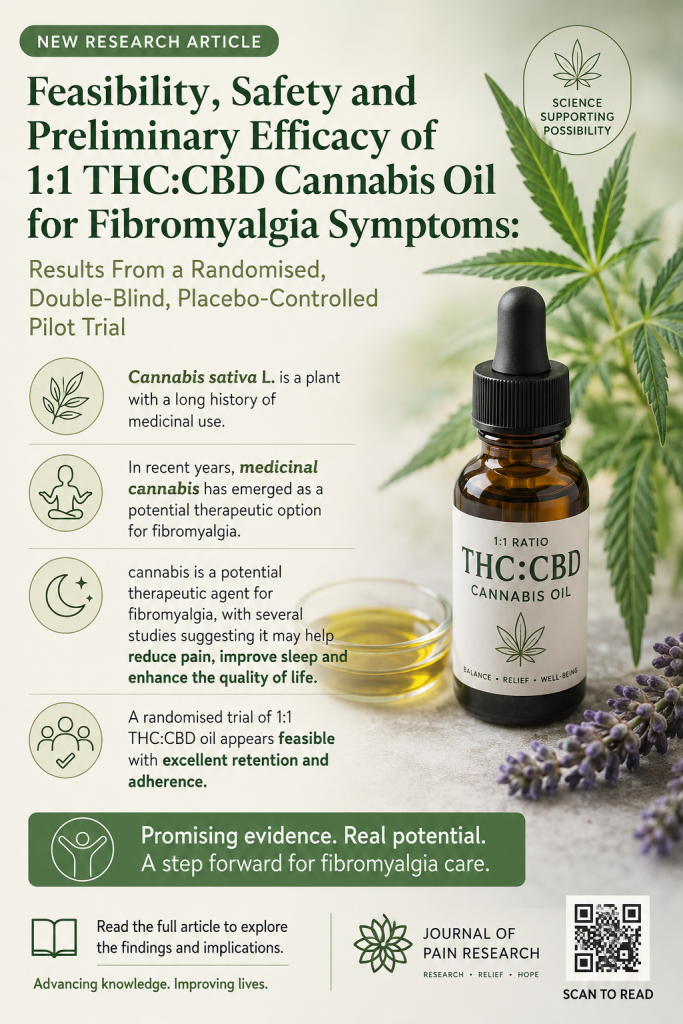
“Fibromyalgia is a chronic disorder characterised by widespread pain and other symptoms that substantially impact the quality of life.
This double-blind, randomised, placebo-controlled trial primarily assessed feasibility (procedures and intervention adherence) and safety/tolerability of a 1:1 delta-9-tetrahydrocannabinol:cannabidiol (THC:CBD) cannabis oil (10 mg/mL each) in 24 adults with fibromyalgia, with secondary, preliminary assessment of efficacy across symptom domains.
Participants completed a 4-week dose titration followed by 12 weeks of stable dosing. Of 77 prescreened individuals, 24 were randomised, yielding a screening-to-enrolment ratio of approximately 3:1 (31.2%). Recruitment reached 66.7% of the target (24/36); the shortfall was mainly due to geographic and legal barriers. Retention was 91.7% (22/24) and adherence was high, with all participants taking ≥ 90% of the prescribed doses.
The study medication was well tolerated in this small sample, with adverse events mostly mild and no serious events observed.
Secondary outcomes suggested medium to large between-group effects favouring cannabis for pain reduction, improved sleep quality, and reduced fibromyalgia impact (FIQR), but findings should be interpreted cautiously given the small sample.
Clinically meaningful FIQR improvement (predefined MCID 45.5%) occurred in 40% of the cannabis-treated participants versus 10% with placebo.
For pain, 70% of the cannabis group reported ≥ 30% reduction post-titration and at Week 12 (Placebo 20% and 40%, respectively). Fatigue and anxiety/depression showed no significant changes.
A randomised trial of 1:1 THC:CBD oil appears feasible with excellent retention and adherence, though recruitment barriers need addressing. Preliminary safety and efficacy signals warrant confirmation in larger, adequately powered trials.”
“In recent years, medicinal cannabis has emerged as a potential therapeutic option for fibromyalgia, with increasing patient interest in new treatment approaches [5]. Given fibromyalgia’s complexity and diverse manifestations, investigating multifaceted therapies such as medicinal cannabis is well justified.”
“Cannabis sativa L. is a plant with a long history of medicinal use, containing over 100 phytocannabinoids, including delta-9-tetrahydrocannabinol (THC) and cannabidiol (CBD) [6]. These compounds interact with the endocannabinoid system, which plays a critical role in modulating pain, mood and sleep—key domains affected in fibromyalgia [7–9]. Consequently, cannabis is being investigated as a potential therapeutic agent for fibromyalgia, with several studies suggesting it may help reduce pain, improve sleep and enhance the quality of life, although findings to date remain mixed and optimal dosing strategies, including the THC:CBD ratio and routes of administration, still require further investigation.”