Cannabidiol alters the epigenome of hormone-dependent prostate cancer cells

Cannabidiol (CBD) is a naturally occurring cannabinoid found in the Cannabis sativa plant.

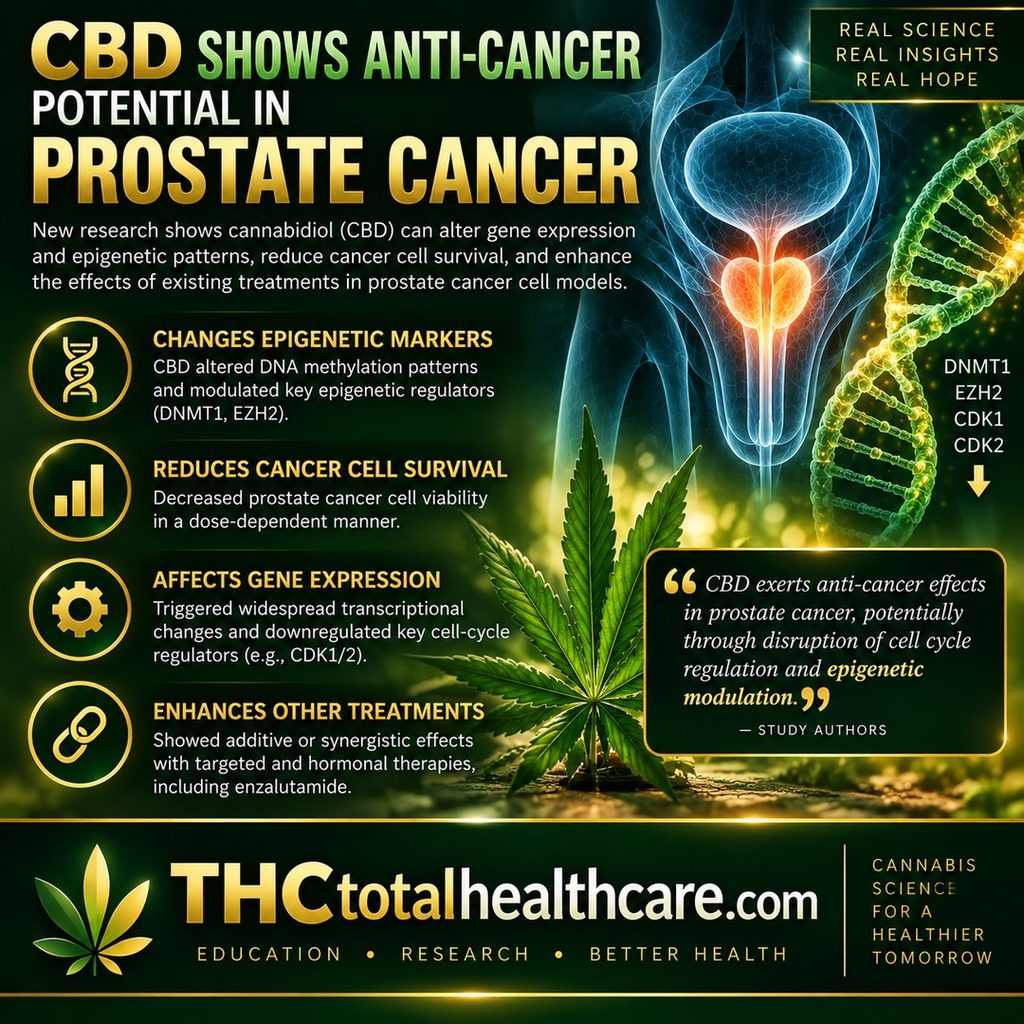
New research suggests CBD may interfere with prostate cancer through several biological pathways, including changes in gene expression and the epigenome. In laboratory prostate cancer cell models, CBD reduced cell viability in a dose-dependent manner, altered DNA methylation patterns, affected the expression of epigenetic regulators including DNMT1 and EZH2, and downregulated important cell-cycle regulators such as CDK1 and CDK2.

Researchers also reported additive or synergistic effects when CBD was combined with targeted and hormonal cancer therapies, including enzalutamide. The findings suggest CBD’s anticancer activity in prostate cancer may involve disruption of cell-cycle regulation and epigenetic modulation, supporting further investigation of CBD both alone and in combination with established treatments.

“Background: Cannabidiol (CBD) shows promising anti-cancer effects, including reducing proliferation and migration and inducing cell death. However, its impact on cancer gene regulation and epigenetic mechanisms remains poorly understood, particularly in prostate cancer, a disease characterised by widespread epigenetic alterations.

Purpose: This study investigated whether CBD exerts anti-cancer effects in prostate cancer by modulating cell viability, gene expression, and the epigenome and whether it enhances the efficacy of targeted and hormonal agents.

Study design/methods: Prostate cancer cell lines (DU145, PC3, LNCaP) were treated with varying concentrations of CBD, Talazoparib, GSK126 and enzalutamide. Cell viability was assessed by MTT. Transcriptomic changes were analysed by RNAseq and qRT-PCR, and epigenetic effects were evaluated by the Infinium MethylationEpic V2.0 BeadChip array. Analysis of total 5mC and expression/activity of EZH2 were assessed by ELIZA and Western blot respectively.

Results: Epigenetically, CBD altered methylation patterns in LNCaP cells, while modulating DNMT1 and EZH2 expression across models. However, EZH2 catalytic activity was unchanged. CBD induced widespread transcriptional changes, particularly in LNCaP cells, with enrichment of cell cycle pathways and downregulation of key regulators (e.g., CDK1/2). CBD reduced cell viability in a dose-dependent manner, showing additive or synergistic effects with both targeted and hormonal therapies.

Conclusion: CBD exerts anti-cancer effects in prostate cancer, potentially through disruption of cell cycle regulation and epigenetic modulation. These findings support its potential as a therapeutic agent, particularly in combination with targeted treatments.”

https://pubmed.ncbi.nlm.nih.gov/42691574

“Cannabidiol (CBD) is one of the best known and abundant phytocannabinoids. Numerous studies have demonstrated CBD’s anti-cancer effects, detailing its ability to inhibit cancer cell growth, proliferation, invasion, and migration in vitro, and reduce tumour volume in vivo.”

“To our knowledge, this study provides the first systematic characterisation of CBD’s effects on the prostate cancer epigenome, addressing a significant gap given the disease’s strong epigenetic basis.“

http://linkinghub.elsevier.com/retrieve/pii/S0753332226009273

Cannabigerol, a minor phytocannabinoid, prevents behavioral changes induced by psychotomimetic drugs

A new preclinical study suggests that cannabigerol (CBG), a non-intoxicating cannabinoid found in cannabis, may have antipsychotic-like effects. In mice, CBG reduced behavioral disruptions caused by both amphetamine and MK-801, including impairments in sensorimotor gating, social interaction, recognition memory and abnormal activity. The researchers report that these effects occurred at relatively low doses and describe the study as the first to demonstrate CBG’s antipsychotic-like activity across multiple behavioral tests, supporting further translational and clinical investigation.

“Cannabigerol (CBG) is a phytocannabinoid present in the plant Cannabis sativa that, similar to cannabidiol (CBD), does not cause psychotomimetic effects. It has shown potential therapeutic effects for relieving pain, inflammation, and anxiety, and it possesses antioxidant and neuroprotective properties.

To date, few studies have investigated the potential of CBG in animal models of schizophrenia. Previous studies have demonstrated the antipsychotic-like profile of CBD in clinical and preclinical studies, with a lower induction of side effects when compared to conventional therapy. Although the pharmacological properties of CBG partially resemble those of CBD, some important differences could result in distinct clinical potential.

In the present work, we investigated whether CBG could also show an antipsychotic-like profile in animal models of schizophrenia.

Male Swiss mice received intraperitoneal injections of CBG followed by d-amphetamine (AMPH) or MK-801 and were exposed to different behavioral assays, including the open field, novel object recognition (NOR), social interaction, and prepulse inhibition (PPI) tests.

CBG attenuated the disruptive effects of AMPH in the PPI and open field tests. In addition, pre-treatment with this compound also attenuated the impairments in the social interaction test, NOR, and PPI induced by MK-801.

These results suggest that CBG therapeutic profile in behavioral assays. Notably, these benefits were observed at reduced concentrations, indicating that this compound represents a promising candidate for future translational and clinical investigations.”

https://pubmed.ncbi.nlm.nih.gov/42692325

“CBG is a promising candidate for future translational investigations into psychiatric disorders.”

https://www.sciencedirect.com/science/article/abs/pii/S0278584626003015?via%3Dihub

Physicochemical Characterization, Microencapsulation, and In-vitro Wound Healing Potential of Cold-Pressed Industrial Hemp Seed Oil

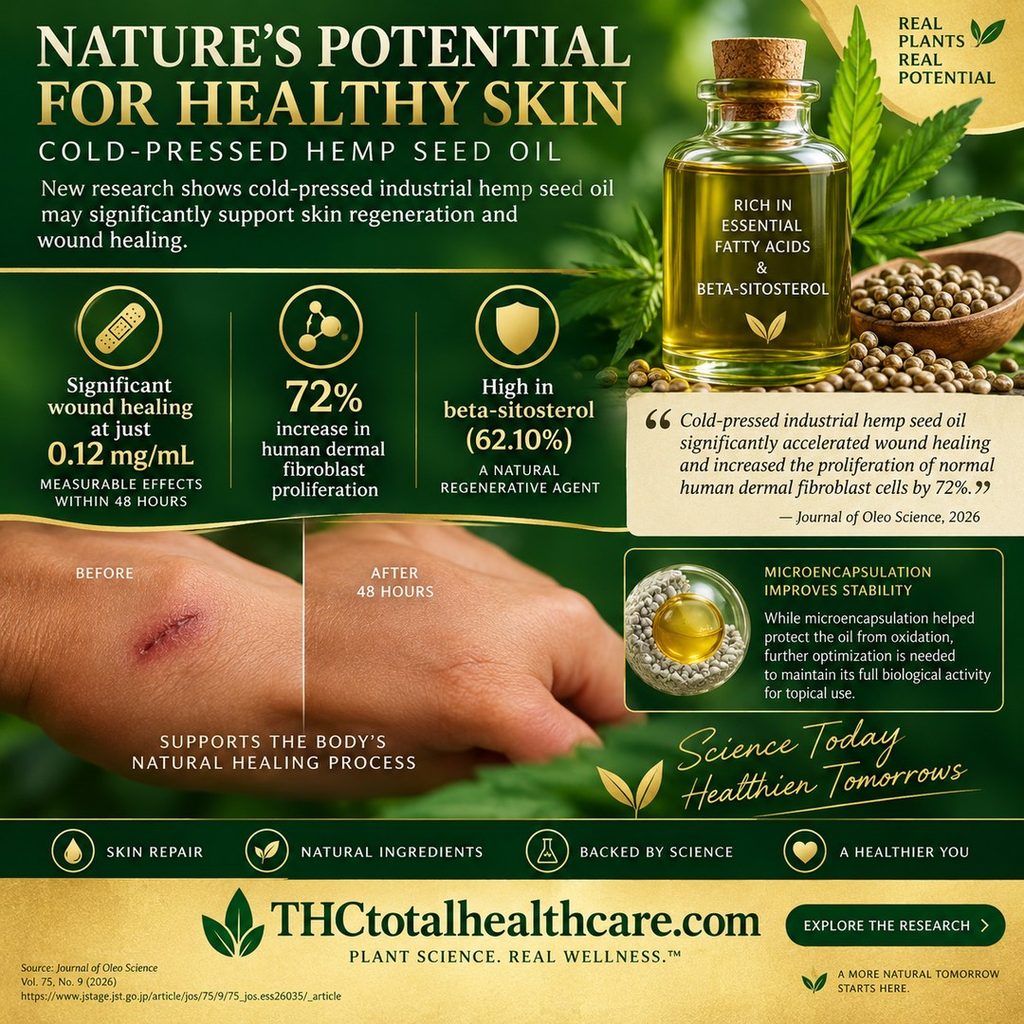
Cold-pressed industrial hemp seed oil may have significant potential for skin regeneration and wound healing, according to a new laboratory study. Researchers found that the oil, naturally rich in essential fatty acids and beta-sitosterol, significantly accelerated wound closure and increased the proliferation of normal human dermal fibroblast cells by 72%. Although microencapsulation improved the oil’s stability against oxidation, it also reduced its biological activity, suggesting that the delivery system will need further optimization for topical use.

“Cold-pressed industrial hemp seed oil (CPCSSO) with a fully characterized physicochemical profile; including fatty acids, sterols and quality indices is a natural regenerative agent due to its high content of essential fatty acids (EFA) and its dominant beta-sitosterol fraction (62.10 %). However, its susceptibility to oxidation (Iodine Value: 157) limits its effectiveness when applied topically.

To address this issue, this study is aimed to stabilize CPCSSO through an innovative complex coacervation system using a gelatin/gum Arabic matrix crosslinked with natural transglutaminase (Tgase) and tannic acid (TA).

Physicochemical analyses confirmed that CPCSSO retained excellent quality criteria, including low free fatty acid and peroxide values. In vitro biological tests showed that unencapsulated CPCSSO at concentrations as low as 0.12 mg/mL significantly accelerated wound healing achieving highly statistically significant results (48 hours) and increased proliferation of normal human dermal fibroblast cells by 72 %.

This demonstrates the oil’s substantial potential for skin regeneration, although microencapsulation improved the stability of CPCSSO, the biological activity of the encapsulated CPCSSO decreased.

The current findings highlight the effectiveness of CPCSSO in wound healing and suggest that further optimization is necessary for the TGase-TA crosslinking system to serve as a reliable method for the topical delivery of natural bioactive compounds.”

https://pubmed.ncbi.nlm.nih.gov/42686591

https://www.jstage.jst.go.jp/article/jos/75/9/75_jos.ess26035/_article

Cannabigerol and standardized full-spectrum cannabis extract effects in acute and chronic inflammatory pain models

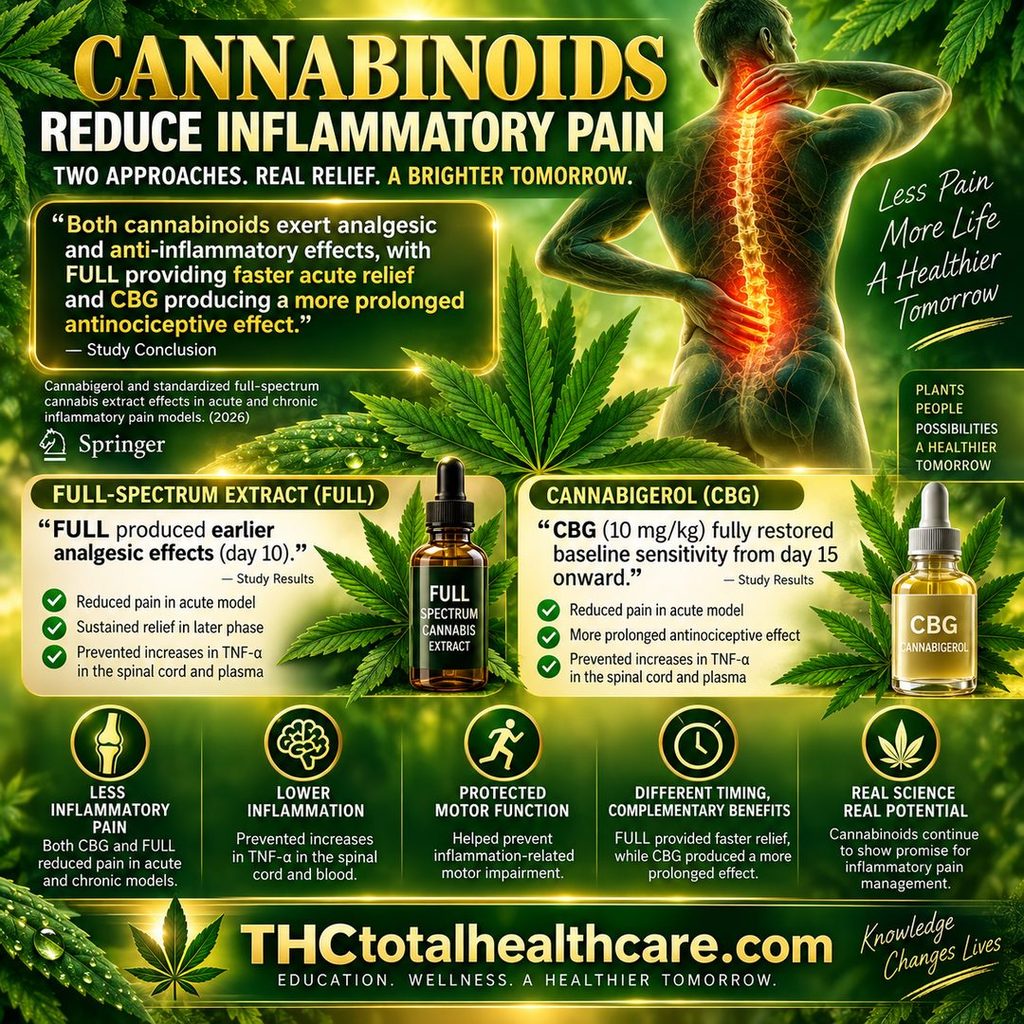
Cannabigerol (CBG) and a standardized full-spectrum cannabis extract both reduced inflammatory pain and inflammation in a rat study, although their effects developed differently. The full-spectrum extract produced faster pain relief, while repeated CBG treatment eventually restored pain sensitivity to baseline and maintained a longer-lasting antinociceptive effect. Both treatments also prevented increases in the inflammatory marker TNF-α in the spinal cord and blood and helped protect against inflammation-related motor impairment.

“Background: Chronic inflammatory pain is associated with persistent sensory and immune dysregulation. We evaluated the therapeutic efficacy of two cannabinoids formulations-Cannabigerol (CBG) and Standardized Full-Spectrum Cannabis Extract (FULL) in a preclinical model of acute and Chronic inflammatory pain and examined their effects on peripheral and central inflammatory mediators.

Methods: Cannabinoid analgesic effects were assessed in male Wistar Hannover rats using acute (formalin) and chronic inflammatory pain (CFA) models. Treatments were administered at different doses before the formalin test and after CFA as a single dose or once daily for 21 days. Motor function and inflammatory markers (TNF-α and IL-10) were evaluated using actimeter test and ELISA.

Results: In the formalin test, both cannabinoids reduced nociceptive behaviors during Phase I, whereas only FULL produced sustained analgesia during Phase II. In the chronic model, single administration produced no significant effects; while repeated treatment (highest doses) improved mechanical thresholds. FULL (10 mg/kg) produced earlier analgesic effects (day 10), while CBG (10 mg/kg) fully restored baseline sensitivity from day 15 onward. In locomotor assessments, both compounds prevented CFA-induced motor impairments, except at the lowest CBG dose. CFA increased tumor necrosis factor-alpha (TNF-α) in the spinal cord, dorsal root ganglia (DRG), and plasma. Both cannabinoids prevented the CFA-induced increase in TNF-α levels in the spinal cord and plasma. Elevated TNF-α in the DRG persisted despite treatment, indicating region-specific regulation. Interleukin-10 (IL-10) levels were unaffected.

Conclusion: Both cannabinoids exert analgesic and anti-inflammatory effects, with FULL providing faster acute relief and CBG produced a more prolonged antinociceptive effect.”

https://pubmed.ncbi.nlm.nih.gov/42690319

“In conclusion, our study demonstrates that both cannabigerol (CBG) and the Standardized Full-Spectrum Cannabis Extract (FULL) exert significant antinociceptive and anti-inflammatory effects in models of acute and chronic chronic pain of inflammatory origin.”

https://link.springer.com/article/10.1007/s00213-026-07156-y

Full-spectrum cannabidiol-rich oil modulates behavior and neurochemical alterations in a rodent model of maple syrup urine disease

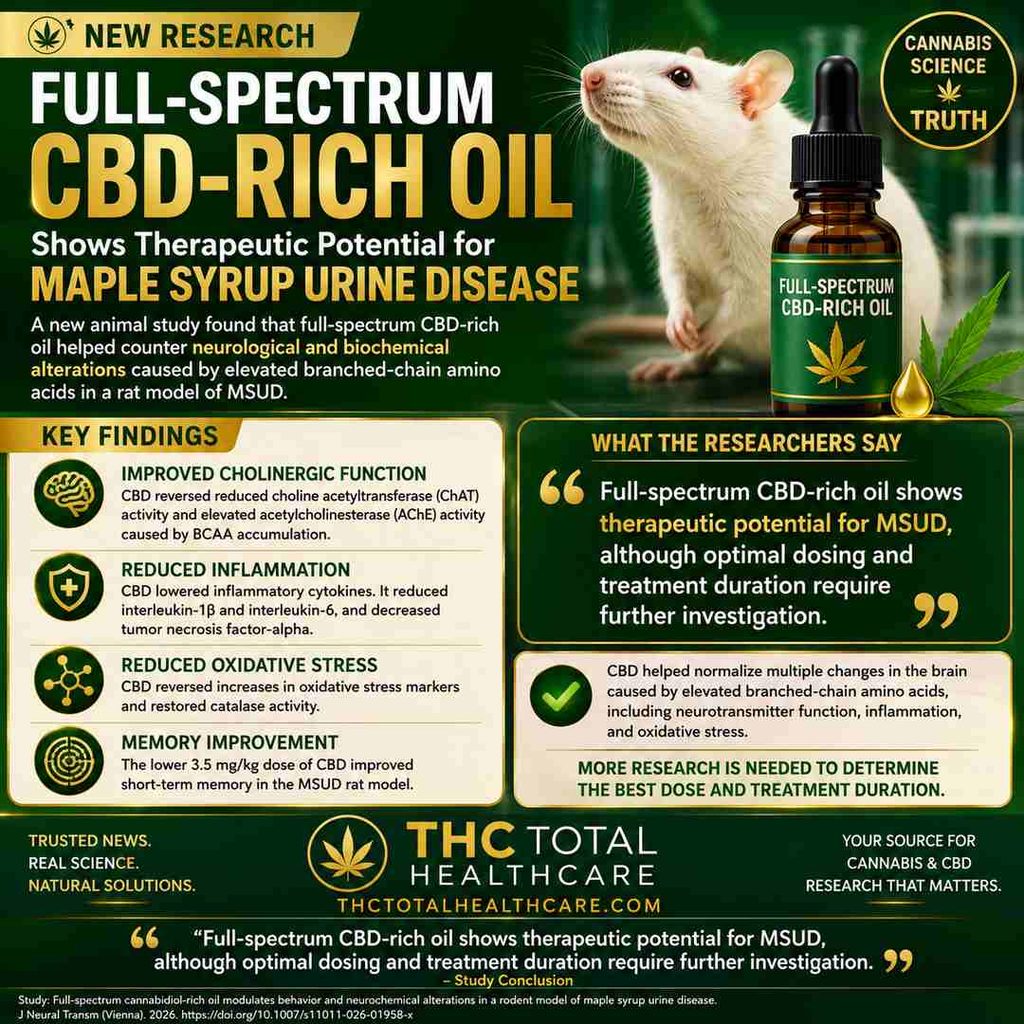
A new animal study suggests that full-spectrum CBD-rich oil may help protect the brain from some of the neurological effects associated with Maple Syrup Urine Disease. In rats, CBD treatment reduced inflammation and oxidative stress, improved cholinergic function, and at the lower dose improved short-term memory.

The researchers concluded that full-spectrum CBD-rich oil shows therapeutic potential for MSUD, although more research is needed to determine the best dose and treatment duration.

“Maple Syrup Urine Disease (MSUD) is caused by a genetic mutation in the branched-chain α-ketoacid dehydrogenase complex, resulting to accumulation of branched-chain amino acids (BCAAs) that affect the central nervous system and cause neurochemical alterations and behavioral changes.

In this line, full-spectrum cannabidiol (CBD)-rich oil has emerged as a potential therapeutic strategy. Therefore, this study aims to evaluate the effects of two doses of the compound full-spectrum CBD-rich oil in a BCAA-induced MSUD rat model, against behavioral, cholinergic, inflammatory, and oxidative stress parameters.

For this, animals were divided into six groups: control group, CBD 3.5 mg/kg group, CBD 7.5 mg/kg group, BCAA group, BCAA + CBD 3.5 mg/kg group, and BCAA + CBD 7.5 mg/kg group. The treatment was administered over 21 days; after that, the animals were subjected to open-field and object recognition tests. Next, we extracted the cerebral cortex to analyze cholinergic function, inflammation, and oxidative stress.

The results show that the open-field test revealed no differences in crossings and rearings across all groups. In object recognition test, control and CBD 3.5 groups showed improved short- and long-term memory compared to training. The CBD 7.5 and BCAA + CBD 3.5 groups showed improvement only in short-term memory. BCAA control and BCAA + 7.5 did not present differences.

In the cholinergic system, BCAA control showed decreased choline acetyltransferase (ChAT) activity, which was reversed by CBD treatment at both doses. The BCAA + CBD 7.5 shows increased ChAT activity compared to control group. While acetylcholinesterase (AChE) was reduced in the CBD 7.5 groups and increased in the BCAA control group, both CBDs reversed this increase in BCAA control group.

Inflammatory cytokines show increased interleukin-1β in BCAA control group, and the CBD treatment decreases its levels compared to BCAA and saline control groups. Interleukin-6 increases in BCAA control group, and CBD 3.5 reverses it. Tumoral necrosis factor-alpha was reduced in BCAA + CBD 3.5 and BCAA + CBD 7.5 compared to control and BCAA control groups.

Further, under oxidative stress, BCAA control increases 2,7-dichlorofluorescein oxidation and thiobarbituric acid levels, which were reversed by CBD treatment. Sulfhydryl content was decreased in CBD 7.5, BCAA control group, BCAA + CBD 3.5, and BCAA + CBD 7.5 compared to control group. Superoxide dismutase activity increased across all groups, whereas catalase activity decreased in the BCAA control group; treatment with CBD 7.5 reversed this reduction.

Overall, we conclude that full-spectrum CBD-rich oil shows therapeutic potential for MSUD, although optimal dosing and treatment duration require further investigation.”

https://pubmed.ncbi.nlm.nih.gov/42690466

“Cannabis-based products have emerged as a new class of drugs with potential therapeutic effects across a broad range of neurodegenerative and psychiatric disorders.”

“In summary, full-spectrum CBD-rich oil produced significant neurochemical benefits in neonatal MSUD model, including modulation of cholinergic enzymes, reduction of oxidative stress, and attenuation of inflammatory cytokines.”

https://link.springer.com/article/10.1007/s11011-026-01958-x


Hemp seed protein hydrolysates and its bioactive peptides mitigate muscle atrophy in in vitro and in vivo models

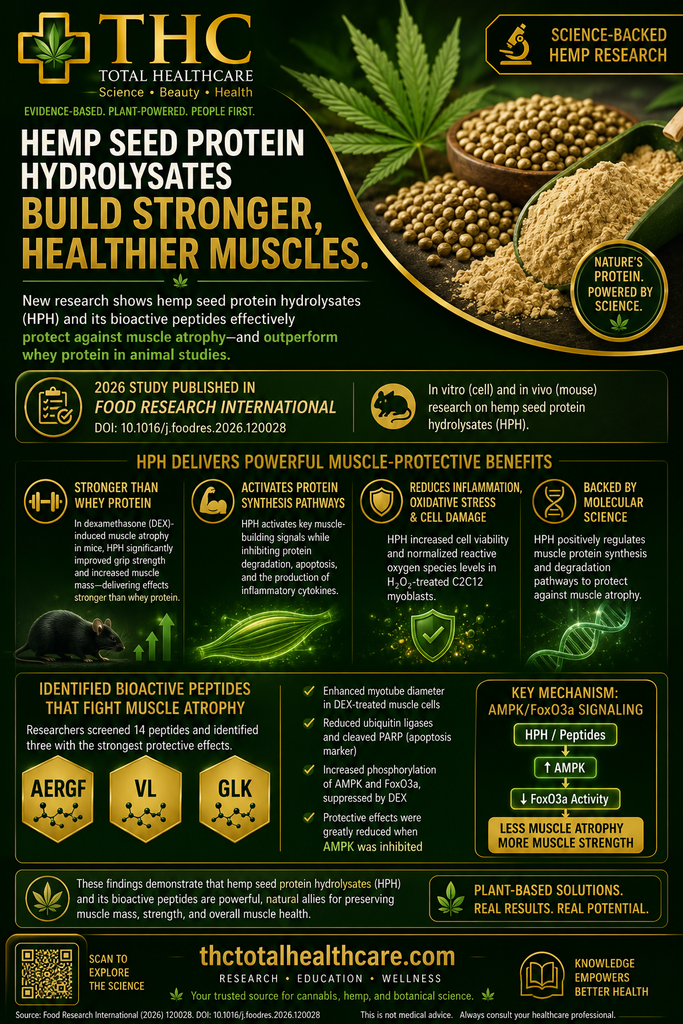
Hemp is increasingly being studied not just as a source of plant protein, but as a source of biologically active compounds that may influence muscle health. In this new study, researchers found that hemp seed protein hydrolysates helped protect against muscle atrophy in both cell and animal models, improving grip strength and muscle mass while also influencing pathways involved in protein synthesis, degradation, inflammation, and apoptosis.

The researchers also identified three bioactive peptides—AERGF, VL, and GLK—that showed particularly strong anti-atrophy effects, with evidence pointing to AMPK/FoxO3a signaling as an important part of their activity. Notably, the hemp protein hydrolysates produced stronger effects than whey protein in the mouse model, highlighting hemp seed as a potentially valuable source of functional proteins and bioactive peptides for future muscle-health research.

“We recently demonstrated that hemp seed protein hydrolysates (HPH), produced through enzymatic hydrolysis, protect against muscle atrophy in both in vitro and in vivo models.

This study aimed to optimize the HPH production method and elucidate its mechanism of action in preventing muscle atrophy, including the identification of bioactive peptides within HPH.

To optimize HPH production, we compared the degree of protein hydrolysis using alcalase and flavourzyme, both individually and in combination. Ultimately, we produced HPH by treating it with 2% flavourzyme for 2 h.

Our results showed that HPH increased cell viability and normalized reactive oxygen species levels in H2O2-treated C2C12 myoblasts. In a mouse model of muscle atrophy induced by dexamethasone (DEX), HPH improved grip strength and increased muscle mass, demonstrating effects stronger than those of whey protein. Immunoblotting analysis indicated that HPH activates protein synthesis pathways while inhibiting protein degradation, apoptosis, and the production of inflammatory cytokines in skeletal muscle. Additionally, we analyzed the peptide composition of HPH and investigated the anti-atrophic effects of specific peptides in C2C12 myotubes.

Among fourteen peptide candidates, peptides AERGF, VL, and GLK showed the most significant effects on enhancing myotube diameter and reducing the expression of ubiquitin ligases and cleaved PARP in DEX-treated C2C12 myotubes. These peptides also increased the phosphorylation of AMPK and FoxO3a, which were reduced by DEX. Notably, their protective effects against myotube atrophy diminished when the cells were co-treated with an AMPK inhibitor.

These findings demonstrate that HPH and its bioactive peptides effectively mitigate DEX-induced muscle atrophy by positively regulating muscle protein synthesis and degradation pathways.”

https://pubmed.ncbi.nlm.nih.gov/42680322

https://www.sciencedirect.com/science/article/abs/pii/S0963996926017126?via%3Dihub

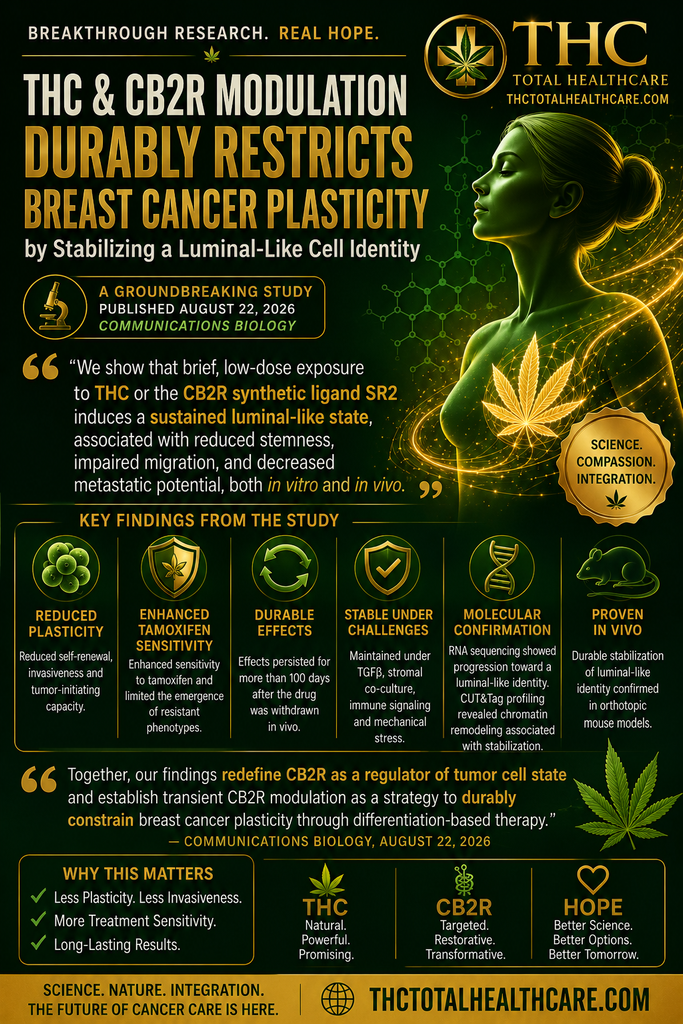
Transient CB2R modulation durably restricts breast cancer plasticity by stabilizing a luminal like cell identity

New breast cancer research suggests that brief modulation of cannabinoid receptor 2 (CB2R), including with THC, may have lasting effects on tumor cell behavior. Researchers found reduced self-renewal, invasiveness, and tumor-initiating capacity, along with greater tamoxifen sensitivity and a durable shift toward a more stable luminal-like cell identity.

“Cancer cell plasticity enables therapy resistance and metastasis by allowing transitions between stem-like and differentiated states. Differentiation-based strategies aim to stabilize tumor cell identity, yet pharmacological approaches that induce durable lineage restriction remain limited.

Here, we show that transient modulation of cannabinoid receptor 2 (CB2R) durably restricts breast cancer cell plasticity by stabilizing a luminal-like cell state. Using patient-derived and murine tumor organoids, we demonstrate that brief, low-dose CB2R modulation reduces self-renewal, invasiveness and tumor-initiating capacity, while enhancing tamoxifen sensitivity and limiting the emergence of resistant phenotypes.

These effects persist under pro-dedifferentiation conditions, including TGFβ exposure, stromal co-culture, immune signaling and mechanical stress, and are maintained in vivo following orthotopic transplantation. RNA sequencing reveals a progressive transition from an early plastic state toward a stabilized luminal-like identity, supported by CUT&Tag profiling that uncovers chromatin remodeling associated with this stabilization.

Together, our findings redefine CB2R as a regulator of tumor cell state and establish transient CB2R modulation as a strategy to durably constrain breast cancer plasticity through differentiation-based therapy.”

https://www.nature.com/articles/s42003-026-10837-1

“Low-dose THC keeps breast cancer cells in tumor models from reverting to an aggressive state”

https://medicalxpress.com/news/2026-09-dose-thc-breast-cancer-cells.html

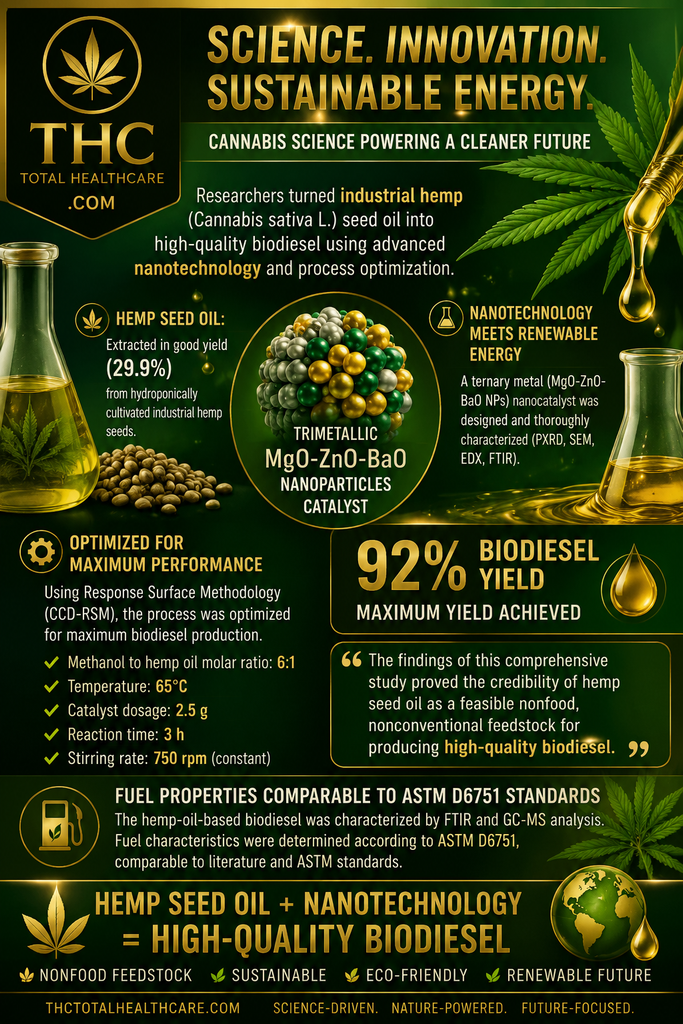
Trimetallic MgO-ZnO-BaO Nanoparticles Catalyzed Biodiesel Production Using Industrially Cultivated Cannabis sativa L. Oil: RSM Optimization and Assessment of Fuel Properties

Industrial hemp continues to demonstrate value far beyond traditional agricultural uses. In this study, researchers combined hemp seed oil with a trimetallic nanoparticle catalyst and process optimization technology to produce biodiesel at a 92% yield, with fuel characteristics comparable to established ASTM standards—highlighting Cannabis sativa as a potential renewable feedstock for advanced biofuel production.

“Biodiesel synthesis by utilizing nonedible species of oil-bearing seeds is a viable, eco-friendly, and pragmatic approach to combating fossil fuel shortages and environmental pollution.

Therefore, in the present research work, hemp oil was extracted in good yield (29.9%) utilizing industrial hemp ( Cannabis sativa L.) seeds cultivated in a greenhouse at PCSIR-Lahore, Pakistan, using hydroponic technology (Crop 2022).

For maximum biodiesel production, a ternary metal (MgO-ZnO-BaO NPs) nanocatalyst was designed and thoroughly characterized by PXRD, SEM, EDX, and FTIR analysis. Afterward, the nanocatalyst-assisted transesterification of hemp oil was carried out. The transesterification reaction of hemp oil was optimized by response surface methodology based on central composite design (CCD-RSM). A quadratic polynomial equation was employed to predict the optimal yields, while analysis of variance (ANOVA) identified the statistically significant factors influencing the process.

The maximum yield of biodiesel (92%) was obtained by adjusting the methanol to hemp oil molar ratio (6:1), temperature at 65°C, MgO-ZnO-BaO NPs dosage of 2.5 g, and a reaction time of 3 h with a constant stirring rate of 750 rpm. The hemp-oil-based biodiesel was characterized by FTIR and GC-MS analysis. Fuel characteristics of biodiesel were determined according to ASTM D 6751, which were comparable to literature and ASTM standards.

The findings of this comprehensive study proved the credibility of hemp seed oil as a feasible nonfood, nonconventional feedstock for producing high-quality biodiesel.”

https://pubmed.ncbi.nlm.nih.gov/40739776

https://analyticalsciencejournals.onlinelibrary.wiley.com/doi/10.1002/jemt.70051

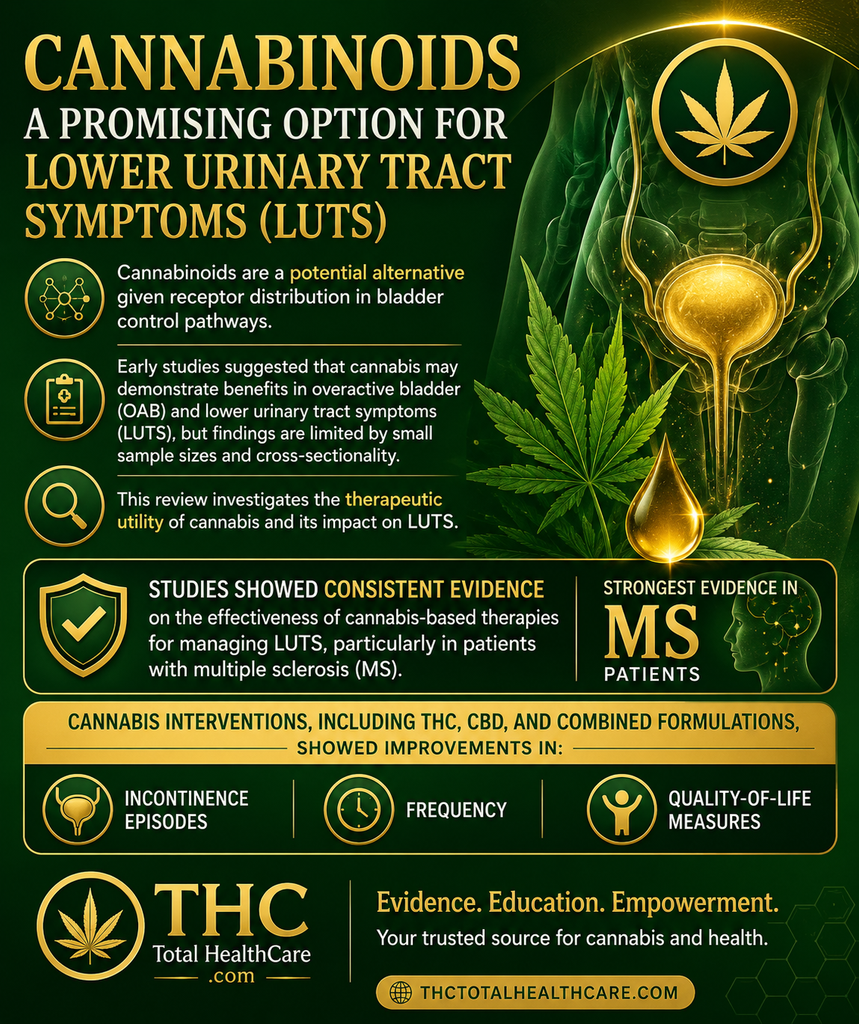
Benefits of cannabis in treating lower urinary tract symptoms: A scoping review

Cannabis-based therapies may offer another approach to managing lower urinary tract symptoms such as urinary urgency, frequency, and incontinence. A 2026 scoping review found encouraging evidence that THC, CBD, and combined cannabinoid formulations can improve several urinary symptoms and quality-of-life measures, with the most consistent evidence found among patients with multiple sclerosis.

“Introduction: Anticholinergics and β3-agonists remain the mainstay for bladder dysfunction but are limited by side effects and poor adherence. Cannabinoids are a potential alternative given receptor distribution in bladder control pathways. Early studies suggested that cannabis may demonstrate benefits in overactive bladder (OAB) and lower urinary tract symptoms (LUTS), but findings are limited by small sample sizes and cross-sectionality. This review investigates the therapeutic utility of cannabis and its impact on LUTS.

Methods: This scoping review was conducted following Cochrane and PRISMA guidelines. Eligible studies included adults with OAB symptoms due to neurogenic disease, benign prostatic hyperplasia (BPH), or cystitis, treated with cannabis vs. placebo, no treatment, or active therapies. Outcomes included urinary function and quality of life. Databases searched included MEDLINE, EMBASE, and CENTRAL. Non-English studies were excluded.

Results: From 998 abstracts, 31 full-text articles were reviewed and 12 were included. Studies showed consistent evidence on the effectiveness of cannabis-based therapies for managing LUTS, particularly in patients with multiple sclerosis (MS). Cannabis interventions, including THC, CBD, and combined formulations, showed some improvements in incontinence episodes, frequency, and quality-of-life measures. Mild adverse effects, including dizziness and dry mouth, were common (2-18%) and sometimes led to treatment discontinuation. Nine of 12 studies were done on MS populations, and only three studies were randomized controlled trials.

Conclusions: Evidence for the benefits of cannabis in treating LUTS is limited and largely observational. While preliminary findings are encouraging, randomized trials focusing on patient-centered outcomes are needed to clarify its role in clinical practice.”

https://pubmed.ncbi.nlm.nih.gov/42678682

https://cuaj.ca/index.php/journal/article/view/9478

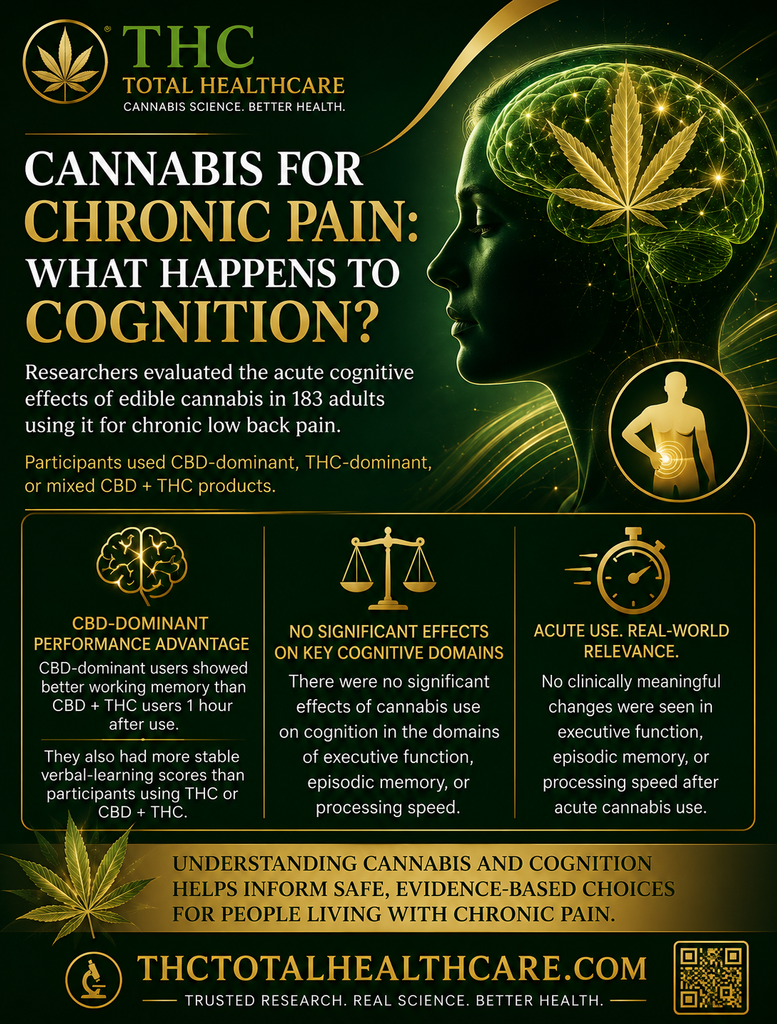
Effects of delta-9 tetrahydrocannabinol and cannabidiol on cognitive outcomes following acute use of cannabis for chronic pain

In a study of 183 adults using edible cannabis for chronic low back pain, researchers found no significant acute changes in executive function, episodic memory, or processing speed after cannabis use. Participants using CBD-dominant products performed better on working memory than those using CBD + THC one hour after use, while the CBD group also showed more stable verbal-learning scores than participants using THC or mixed CBD/THC products. The findings add useful evidence to the discussion of how different cannabinoid profiles may affect cognition when cannabis is used for chronic pain.

“Rationale: An estimated two-thirds of medical cannabis users in the United States are motivated by chronic pain, but clinical guidance remains guarded as to whether the potential benefit of cannabinoids for pain outweighs potential risks, such as effects on cognition.

Objectives: In a study where participants experienced benefits of cannabinoids for pain and tension, we evaluated cannabis effects on executive function, processing speed, memory, and verbal learning following acute use for chronic, non-specific low back pain.

Methods: Participants were in one of three self-selected edible cannabis groups: a) CBD-dominant, b) THC-dominant, or c) a mixed ratio of CBD to THC and completed a battery of cognitive tasks at pre-use, 1 h post-use use, and 2 h post-use.

Results: Among 183 participants (56.8% female; Mage = 45.6), those in the group using CBD outperformed participants using CBD + THC 1 h post use in working memory and produced more stable scores in verbal learning after use than participants using THC or CBD + THC. Additionally, while older age was associated with better working memory in the CBD group before use, that relationship was progressively attenuated over the subsequent timepoints. There were no significant effects of cannabis use on cognition in the domains of executive function, episodic memory, or processing speed.

Conclusions: Given the ubiquity of cannabis use for chronic pain and the ongoing call for more data, this study is relevant for informing clinical guidance on whether, and how, cannabis could be used in this context. In particular, understanding the acute impact on cognition from cannabis is critical, as cognitive functioning directly affects patients’ daily lives and quality of life.”

https://pubmed.ncbi.nlm.nih.gov/42678518

“In summary, these findings support CBD’s potential to preserve cognitive performance in the context of chronic pain, contrasting with the more variable effects of THC across cognitive domains. The observed influence of age, particularly among those using CBD, suggests that both cannabinoid composition and individual factors shape cognitive outcomes following acute cannabinoid use.”

https://link.springer.com/article/10.1007/s00213-026-07157-x