The role of cannabinoids in the treatment of cancer.

“The aim of this review article is to summarize current knowledge about the role of cannabinoids and cannabinoid receptors in tumor disease modulation and to evaluate comprehensively the use of cannabinoids in cancer patients.

METHOD:

According to the PRISMA protocol, we have included data from a total of 105 articles.

RESULTS:

Cannabinoids affect cancer progression by three mechanisms. The most important mechanism is the stimulation of autophagy and affecting the signaling pathways leading to apoptosis. The most important mechanism of this process is the accumulation of ceramide. Cannabinoids also stimulate apoptosis by mechanisms independent of autophagy. Other mechanisms by which cannabinoids affect tumor growth are inhibition of tumor angiogenesis, invasiveness, metastasis, and the modulation of the anti-tumor immune response.

CONCLUSION:

In addition to the symptomatic therapy of cancer patients, the antitumor effects of cannabinoids (whether in monotherapy or in combination with other cancer therapies) have promising potential in the treatment of cancer patients. More clinical trials are needed to demonstrate the antitumor effect of cannabinoids.”

https://www.ncbi.nlm.nih.gov/pubmed/31950844

http://www.elis.sk/index.php?page=shop.product_details&flypage=flypage.tpl&product_id=6509&category_id=158&option=com_virtuemart&vmcchk=1&Itemid=1

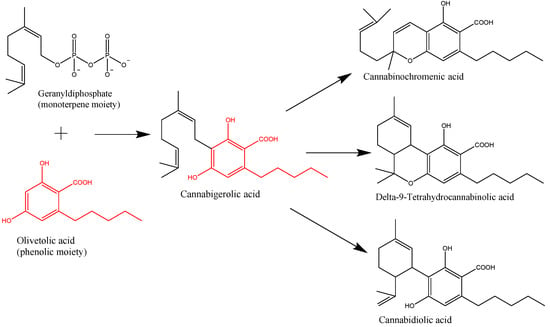
Cannabidiol-from Plant to Human Body: A Promising Bioactive Molecule with Multi-Target Effects in Cancer.

 ijms-logo“Cannabis sativa L. is a plant long used for its textile fibers, seed oil, and oleoresin with medicinal and psychoactive properties. It is the main source of phytocannabinoids, with over 100 compounds detected so far. In recent years, a lot of attention has been given to the main phytochemicals present in Cannabis sativa L., namely, cannabidiol (CBD) and Δ9-tetrahydrocannabinol (THC). Compared to THC, CBD has non-psychoactive effects, an advantage for clinical applications of anti-tumor benefits. The review is designed to provide an update regarding the multi-target effects of CBD in different types of cancer. The main focus is on the latest in vitro and in vivo studies that present data regarding the anti-proliferative, pro-apoptotic, cytotoxic, anti-invasive, anti-antiangiogenic, anti-inflammatory, and immunomodulatory properties of CBD together with their mechanisms of action. The latest clinical evidence of the anticancer effects of CBD is also outlined. Moreover, the main aspects of the pharmacological and toxicological profiles are given.”
https://www.ncbi.nlm.nih.gov/pubmed/31775230

https://www.mdpi.com/1422-0067/20/23/5905

Cannabinoid WIN 55,212-2 induces cell cycle arrest and apoptosis, and inhibits proliferation, migration, invasion, and tumor growth in prostate cancer in a cannabinoid-receptor 2 dependent manner.

“Cannabinoids have demonstrated anticarcinogenic properties in a variety of malignancies, including in prostate cancer. In the present study, we explored the anti-cancer effects of the synthetic cannabinoid WIN 55,212-2 (WIN) in prostate cancer.

RESULTS:

WIN significantly reduced prostate cancer cell proliferation, migration, invasion, induced apoptosis, and arrested cells in Go/G1 phase in a dose-dependent manner. Mechanistic studies revealed these effects were mediated through a pathway involving cell cycle regulators p27, Cdk4, and pRb. Pre-treatment with a CB2 antagonist, AM630, followed by treatment with WIN resulted in a reversal of the anti-proliferation and cell cycle arrest previously seen with WIN alone. In vivo, administration of WIN resulted in a reduction in the tumor growth rate compared to control (P < 0.05).

CONCLUSIONS:

The following study provides evidence supporting the use of WIN as a novel therapeutic for prostate cancer.” https://www.ncbi.nlm.nih.gov/pubmed/30242861 https://onlinelibrary.wiley.com/doi/abs/10.1002/pros.23720]]>

Assessment of Cannabinoids Agonist and Antagonist in Invasion Potential of K562 Cancer Cells

“The prominent hallmark of malignancies is the metastatic spread of cancer cells. Recent studies have reported that the nature of invasive cells could be changed after this phenomenon, causing chemotherapy resistance. It has been demonstrated that the up-regulated expression of matrix metalloproteinase (MMP) 2/MMP-9, as a metastasis biomarker, can fortify the metastatic potential of leukemia. Furthermore, investigations have confirmed the inhibitory effect of cannabinoid and endocannabinoid on the proliferation of cancer cells in vitro and in vivo.

Our findings clarifies that CB1 receptors are responsible for anti-invasive effects in the K562 cell line.”

https://www.ncbi.nlm.nih.gov/pubmed/29883990]]>

Anti-invasion Effects of Cannabinoids Agonist and Antagonist on Human Breast Cancer Stem Cells.

Image result for Iran J Pharm Res. “Studies show that cancer cell invasion or metastasis is the primary cause of death in malignancies including breast cancer. The existence of cancer stem cells (CSCs) in breast cancer may account for tumor initiation, progression, and metastasis. Recent studies have reported different effects of cannabinoids on cancer cells via CB1 and CB2 cannabinoid receptors. In the present study, the effects of ACEA (a selective CB1 receptor agonist) and AM251 (a selective CB1 antagonist) on CSCs and their parental cells were investigated. It was observed that ACEA decreased CD44+/CD24-/low/ESA+ cancer stem cell invasiveness. Since one of the main cancer recurrence factors is anti-cancer drugs fail to inhibit CSC population, this observation would be useful for cancer treatment.” https://www.ncbi.nlm.nih.gov/pubmed/29552056 “Our results indicate that cannabinoids may interfere with invasive cancer stem cells in benefit of cancer eradication. In summary, our results clarified that cannabinoid receptor agonist possesses anti-invasion potential in both main population and breast cancer stem cells. Considering that most anti-cancer drugs do not eradicate stem cells and only target main population cells, the results disclosed here can be used for prevention of cancer recurrence.” https://www.ncbi.nlm.nih.gov/pmc/articles/PMC5843309/
]]>