Cannabinoid Type 1 and Type 2 Receptor Antagonists Prevent Attenuation of Serotonin-Induced Reflex Apneas by Dronabinol in Sprague-Dawley Rats.

“The prevalence of obstructive sleep apnea (OSA) in Americans is 9% and increasing…

Vagal afferent neurons are inhibited by cannabinoid type 1 (CB1) or cannabinoid type 2 (CB2) receptors in animal models of vagally-mediated behaviors…

These findings underscore the therapeutic potential of dronabinol (THC) in the treatment of OSA and implicate participation of both cannabinoid receptors in dronabinol’s apnea suppression effect.”

http://www.ncbi.nlm.nih.gov/pubmed/25350456

http://www.thctotalhealthcare.com/category/sleep-apnea/

Endocannabinoids, Related Compounds and Their Metabolic Routes.

“Endocannabinoids are lipid mediators able to bind to and activate cannabinoid receptors, the primary molecular targets responsible for the pharmacological effects of the Δ9-tetrahydrocannabinol.

These bioactive lipids belong mainly to two classes of compounds: N-acylethanolamines and acylesters, being N-arachidonoylethanolamine (AEA) and 2-arachidonoylglycerol (2-AG), respectively, their main representatives.

During the last twenty years, an ever growing number of fatty acid derivatives (endocannabinoids and endocannabinoid-like compounds) have been discovered and their activities biological is the subject of intense investigations.

Here, the most recent advances, from a therapeutic point of view, on endocannabinoids, related compounds, and their metabolic routes will be reviewed.”

http://www.ncbi.nlm.nih.gov/pubmed/25347455

Cannabis, cannabidiol, and epilepsy – From receptors to clinical response.

“The use of cannabis for medicinal purposes is becoming more prevalent.

For this purpose, various preparations of cannabis of varying strengths and content are being used.

The recent changes in the legal environment have improved the availability of products with high cannabidiol (CBD) and low tetrahydrocannabinol (THC) concentrations.

There is some anecdotal evidence of their potential efficacy, but the mechanisms of such action are not entirely clear.

Some suspect an existence of synergy or “entourage effect” between CBD and THC.

There is strong evidence that THC acts via the cannabinoid receptor CB1.

The mechanism of action of CBD is less clear but is likely polypharmacological.

The scientific data support the role of the endocannabinoid system in seizure generation, maintenance, and control in animal models of epilepsy.

There are clear data for the negative effects of cannabis on the developing and mature brain though these effects appear to be relatively mild in most cases.

Further data from well-designed studies are needed regarding short- and long-term efficacy and side effects of CBD or high-CBD/low-THC products for the treatment of seizures and epilepsy in children and adults.”

http://www.ncbi.nlm.nih.gov/pubmed/25282526

http://www.thctotalhealthcare.com/category/epilepsy-2/

Type-2 cannabinoid receptor regulates proliferation, apoptosis, differentiation, and OPG/RANKL ratio of MC3T3-E1 cells exposed to Titanium particles.

“The type-2 cannabinoid receptor (CB2) is expressed in osteoblasts and plays a role in bone metabolism through regulation on bone mass and bone turnover, but the functional importance of CB2 in osteoblasts under Titanium (Ti) stimulation is incompletely understood.

This study aimed to investigate the CB2 expression in osteoblasts under Ti stimulation and the effects of CB2 activation on proliferation, apoptosis, differentiation, mineralization, OPG, and RANKL expression of MC3T3-E1 cells exposed to Ti particles…

In conclusion, CB2 activation has a favorable inhibitory effect on Ti-induced reactions in MC3T3-E1 cell through modulating proliferation, apoptosis, differentiation, and RANKL expression.

These findings suggest that activation of CB2 might be an effective therapeutic strategy to promote bone formation and reduce bone dissolution.”

http://www.ncbi.nlm.nih.gov/pubmed/25292314

Advances in the management of multiple sclerosis spasticity: multiple sclerosis spasticity nervous pathways.

“Involvement of the endocannabinoid system in pathophysiological mechanisms responsible for spasticity has been demonstrated in animal models of MS…

Evidence indicates that the antispasticity effects of THC:CBD oromucosal spray (Sativex®) are associated with enhanced cortical long-term potentiation.

CB1 receptors, which are associated with movement, postural control, and pain and sensory perception, influence glutamatergic pathways.

THC:CBD oromucosal spray was shown to reverse motor cortex plasticity from long-term depression through long-term potentiation of synaptic transmission, thereby restoring, at least in part, effective corticospinal inputs to spinal circuits.”

http://www.ncbi.nlm.nih.gov/pubmed/25278116

http://www.thctotalhealthcare.com/category/multiple-sclerosis-ms/

Cannabinoids Alleviate Experimentally Induced Intestinal Inflammation by Acting at Central and Peripheral Receptors.

“… an attempt to further investigate the role of cannabinoid (CB) system in the pathogenesis of inflammatory bowel diseases…

CONCLUSIONS:

This is the first evidence that central and peripheral CB receptors are responsible for the protective and therapeutic action of cannabinoids in mouse models of colitis.

Our observations provide new insight to CB pharmacology and validate the use of novel ligands AM841 and CB13 as potent tools in CB-related research.”

http://www.ncbi.nlm.nih.gov/pubmed/25275313

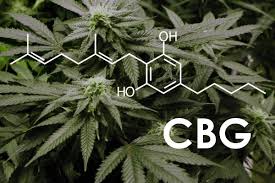
Neuroprotective Properties of Cannabigerol in Huntington’s Disease: Studies in R6/2 Mice and 3-Nitropropionate-lesioned Mice.

“Different plant-derived and synthetic cannabinoids have shown to be neuroprotective in experimental models of Huntington’s disease (HD) through cannabinoid receptor-dependent and/or independent mechanisms.

Herein, we studied the effects of cannabigerol (CBG), a nonpsychotropic phytocannabinoid, in 2 different in vivo models of HD.

CBG was extremely active as neuroprotectant in mice intoxicated with 3-nitropropionate (3NP), improving motor deficits and preserving striatal neurons against 3NP toxicity.

In addition, CBG attenuated the reactive microgliosis and the upregulation of proinflammatory markers induced by 3NP, and improved the levels of antioxidant defenses that were also significantly reduced by 3NP.

We also investigated the neuroprotective properties of CBG in R6/2 mice. Treatment with this phytocannabinoid produced a much lower, but significant, recovery in the deteriorated rotarod performance typical of R6/2 mice.

Using HD array analysis, we were able to identify a series of genes linked to this disease (e.g., symplekin, Sin3a, Rcor1, histone deacetylase 2, huntingtin-associated protein 1, δ subunit of the gamma-aminobutyric acid-A receptor (GABA-A), and hippocalcin), whose expression was altered in R6/2 mice but partially normalized by CBG treatment.

We also observed a modest improvement in the gene expression for brain-derived neurotrophic factor (BDNF), insulin-like growth factor-1 (IGF-1), and peroxisome proliferator-activated receptor-γ (PPARγ), which is altered in these mice, as well as a small, but significant, reduction in the aggregation of mutant huntingtin in the striatal parenchyma in CBG-treated animals.

In conclusion, our results open new research avenues for the use of CBG, alone or in combination with other phytocannabinoids or therapies, for the treatment of neurodegenerative diseases such as HD.”

http://www.ncbi.nlm.nih.gov/pubmed/25252936

http://www.thctotalhealthcare.com/category/huntingtons/

Cannabinoid receptor type 2 activation in atherosclerosis and acute cardiovascular diseases.

“In the last decades, the cannabinoid system (comprising synthetic and endogenous cannabinoid agonists and antagonists, their receptors and degrading enzymes) has been shown to induce potent immunomodulatory activities in atherogenesis and acute ischemic complications.

Differently from the other cannabinoid receptors in which controversial results are reported, the selective activation of the cannabinoid receptor type 2 (CB2) has been shown to play anti-inflammatory and protective actions within atherosclerotic vessels and downstream ischemic peripheral organs.

CB2 is a transmembrane receptor that triggers protective intracellular pathways in cardiac, immune and vascular cells in both in human and animal models of atherosclerosis…

medications activating CB2 function in the circulation or peripheral target organs might be a promising approach against atherogenesis.

This review updates evidence from preclinical studies on different CB2-triggered pathways in atherosclerosis and acute ischemic events.”

http://www.ncbi.nlm.nih.gov/pubmed/25245379

Impact of efficacy at the mu opioid receptor on antinociceptive effects of combinations of mu opioid receptor agonists and cannabinoid receptor agonists.

“Cannabinoid receptor agonists, such as delta-9-tetrahydrocannabinol (Δ9-THC),  have antinociceptive effects and, are increasingly used to treat pain, and medications including cannabinoid receptor agonists are approved for use in humans.

Cannabinoid receptor agonists [e.g. Δ9-tetrahydrocannabinol (Δ9-THC)] enhance the antinociceptive effects of mu opioid receptor agonists, suggesting that combining cannabinoids with opioids would improve pain treatment.

…these results provide additional support for combining opioids with cannabinoids to treat pain.”

http://jpet.aspetjournals.org/content/early/2014/09/05/jpet.114.216648.long

http://www.thctotalhealthcare.com/category/pain-2/

Treatment with a Heme Oxygenase 1 Inducer Enhances the Antinociceptive Effects of µ-Opioid, δ-Opioid, and Cannabinoid 2 Receptors during Inflammatory Pain.

“The administration of µ-opioid receptor (MOR), δ-opioid receptor (DOR), and cannabinoid 2 receptor (CB2R) agonists attenuates inflammatory pain.

We investigated whether treatment with the heme oxygenase 1 (HO-1) inducer, cobalt protoporphyrin IX (CoPP), could modulate the local effects and expression of MOR, DOR, or CB2R during chronic inflammatory pain…

This study shows that the HO-1 inducer (CoPP) increased the local antinociceptive effects of MOR, DOR, and CB2R agonists during inflammatory pain by altering the peripheral expression of MOR and DOR.

Therefore, the coadministration of CoPP with local morphine, DPDPE, or JWH-015 may be a good strategy for the management of chronic inflammatory pain.”

http://www.ncbi.nlm.nih.gov/pubmed/25204546