Cannabidiol (CBD) Shown To Kill Breast Cancer Cells -Cafemom

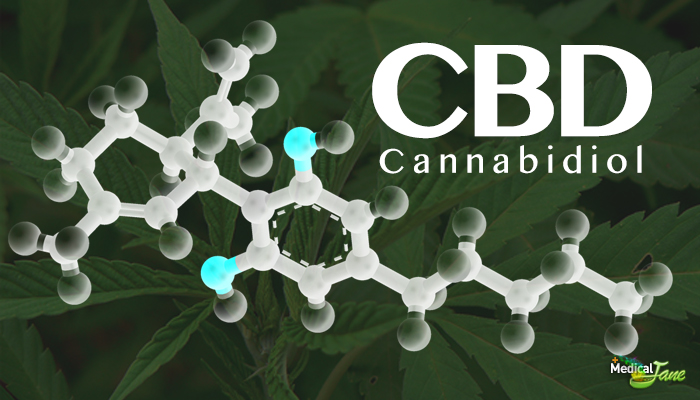
“Cannabidiol (CBD) has been on the receiving end of a lot of attention from the scientific community for several decades now.

However, it is only now that we are really starting to begin to get a grasp on how wonderful this cannabinoid truly is.

study from 2011 states that cannabidiol is considered an antineoplastic agent on the basis of its in vitro and in vivo activity against tumor cells. However, the exact molecular mechanism through which CBD works in this capacity is yet to be understood. The study, titled “Cannabidiol Induces Programmed Cell Death in Breast Cancer Cells by Coordinating the Cross-talk between Apoptosis and Autophagy,” focuses on how CBD can kill breast cancer cells. Breast cancer is the second leading cause of cancer-related death in women in the United States.

What the scientists found was that CBD influences apoptosis by interacting with a key protein, called beclin-1, found within the cancerous cell. Beclin-1 is also known to play a key role in autophagy, or cellular self-degradation of non-vital components, which may lead to programmed cell death. This causes a distortion of the electrical signals between the outer mitochondrial membrane and the rest of the cell, disrupting the transfer to the cell interior of certain molecules that are necessary for metabolism. What this means is that the cell cannot transfer energy, and the cell starves to death, and in doing so activates the self-destruction process of apoptosis.

The study concludes by stating, “In summary, we showed that CBD, a plant-derived cannabinoid, preferentially kills breast cancer cells by inducing ER stress, inhibiting mTOR signaling, enhancing ROS generation, and mediating a complex balance between autophagy and mitochondria-mediated apoptosis in MDA-MB-231 breast cancer cells. These findings support the continued exploration of CBD as an alternative agent for breast cancer treatment.””

http://www.cafemom.com/group/99198/forums/read/19190923/Cannabidiol_CBD_Shown_To_Kill_Breast_Cancer_Cells

“Cannabidiol Induces Programmed Cell Death in Breast Cancer Cells by Coordinating the Cross-talk between Apoptosis and Autophagy… In summary, we showed that CBD, a plant-derived cannabinoid, preferentially kills breast cancer cells…” http://mct.aacrjournals.org/content/10/7/1161.full

http://www.thctotalhealthcare.com/category/breast-cancer/

Towards a therapeutic use of selective CB2 cannabinoid receptor ligands for atherosclerosis.

“Atherosclerosis remains the primary cause of heart disease and stroke, causing approximately 50% of all deaths in Western countries. The identification of promising novel anti-atherosclerotic therapies is therefore of great interest and represents a continued challenge to the medical community.

Cannabinoids, such as Delta9-tetrahydrocannabinol (THC), which is the major psychoactive compound of marijuana, modulate immune functions and might therefore be of therapeutic use for the treatment of inflammatory diseases.

The authors have demonstrated recently that oral treatment with low dose THC inhibits atherosclerosis progression in mice through pleiotropic immunomodulatory effects on inflammatory cells. All these effects were mediated via the cannabinoid receptor CB(2), the main cannabinoid receptor expressed on immune cells.

The identification and characterization of cannabinoid derivative that selectively activate CB(2) receptors and are devoid of adverse effects might offer a novel therapeutic strategy for the treatment of atherosclerosis.”

http://www.ncbi.nlm.nih.gov/pubmed/19804131

https://www.futuremedicine.com/doi/abs/10.2217/14796678.2.1.49

“Researchers suggest that THC and other cannabinoids, which are active at CB2, the cannabinoid receptor expressed on immune cells, may be valuable in treating atherosclerosis.” https://www.medscape.com/viewarticle/787468

Low dose oral cannabinoid therapy reduces progression of atherosclerosis in mice

Figure 1 : The cannabinoid receptor CB2 is expressed in human and mouse atherosclerotic plaques. Unfortunately we are unable to provide accessible alternative text for this. If you require assistance to access this image, or to obtain a text description, please contact npg@nature.com

“Atherosclerosis is a chronic inflammatory disease… Derivatives of cannabinoids such as delta-9-tetrahydrocannabinol (THC) modulate immune functions and therefore have potential for the treatment of inflammatory diseases.

We investigated the effects of THC in a murine model of established atherosclerosis.

Oral administration of THC resulted in significant inhibition of disease progression.

Our data demonstrate that oral treatment with a low dose of THC inhibits atherosclerosis progression in the apolipoprotein E knockout mouse model, through pleiotropic immunomodulatory effects on lymphoid and myeloid cells.

Thus, THC or cannabinoids with activity at the CB2 receptor may be valuable targets for treating atherosclerosis.”

http://www.nature.com/nature/journal/v434/n7034/full/nature03389.html

http://www.ncbi.nlm.nih.gov/pubmed/15815632


Marijuana Chemical Fights Hardened Arteries – WebMD

WebMD: Better information. Better health.

“The active ingredient in marijuana that produces changes in brain messages appears to fight atherosclerosis — a hardening of the arteries.

It takes a very specific amount of THC — marijuana’s key chemical — to help the arteries. That dose is too low to produce mood-altering effects in the brain, according to the new study.

“It would be difficult to achieve such specific concentrations in the blood by smoking marijuana,” Roth explains in a Nature editorial.”

http://www.webmd.com/heart-disease/news/20050406/marijuana-chemical-fights-hardened-arteries

“Low dose oral cannabinoid therapy reduces progression of atherosclerosis in mice” http://www.nature.com/nature/journal/v434/n7034/full/nature03389.html

 http://www.thctotalhealthcare.com/category/atherosclerosis-2/

CBD-Rich Marijuana Fights Colon Cancer, New Study Finds

“In 2008, over one million individuals were diagnosed with colon cancer, also known as colorectal cancer or bowel cancer and it caused over 600,000 deaths globally. The results of a study published in the journal Phytomedicine in October 2013 suggest that a botanical extract made from high-CBD (cannabidiol) cannabis can selectively target colon cancer cells, while leaving healthy cells unharmed.

Researchers were able to reduce tumor growth and pre-cancerous lesions in mice with colon cancer using the pot molecule CBD as part of a “botanical drug substance”. The authors believe that CBD’s benefits as demonstrated by the results of the study could have clinical relevance for the use of cannabis-based medicines in cancer patients.

Current colon cancer treatments are not only very toxic but also fail to prevent the progression of the disease in some patients. Disease incidence and mortality have not reduced using screening strategies for colon cancer.

Researchers have made progress in investigating cannabis as a treatment for breast and brain cancers considering its antiproliferative CB1 and CB2-mediated effects in colorectal cancer cells and action in experimental models of colon cancer. The study was partially funded through grants from GW Pharmaceuticals and lead by researchers from Italy and the UK.”

http://blog.sfgate.com/smellthetruth/2014/01/06/cbd-rich-marijuana-fights-colon-cancer-new-study-finds/

“Inhibition of colon carcinogenesis by a standardized Cannabis sativa extract with high content of cannabidiol” http://www.ncbi.nlm.nih.gov/pubmed/24373545

http://www.thctotalhealthcare.com/category/colon-cancer/

Shona Banda cured her terminal Crohn’s disease with cannabis

Image result for shona banda

“Shona Banda was diagnosed with Crohn’s disease… She underwent several surgeries and was put on several pharmaceuticals, but her condition worsened progressively until she was considered terminal. She was bedridden… wasting away… She was waiting to die.

She managed to see Rick Simpson’s Run from the Cure…” 

“RUN FROM THE CURE: The Rick Simpson Story – A Film by Christian Laurette”  https://www.youtube.com/watch?v=aGjC4HReFL0

“Although she had been smoking marijuana to ease pain and help her sleep and eat, she had no way of making the oil, which required a pound of marijuana to produce the two ounces of cannabis oil she would need to heal.

Shona was in a funk about the lack of enough hemp to make her own oil when her husband noticed specks of oil residue in the inside of the vaporizer’s glass globe cover.

So she took the inhalation tube out of the vaporizer and sealed it, then simply collected those little blobs of oil from the inside of the glass globe with a spatula.

She did this three times a day, putting the collected oil residue into a capsule and taking it. After a very few days, Shona could walk without a cane. Soon she began eating and sleeping better and putting on weight. It wasn’t long before she was completely weened off all her pharmaceuticals.

She started a journal as she began getting better. The journal has become a book called Live Free or Die. The title is a reference to health freedom. Now she is very healthy and active.”

http://www.naturalnews.com/043718_chrons_disease_cannabis_shona_banda.html

“Crohn’s Disease Survivor Shona Banda Tells How Medical Marijuana Oil Helps Her “Live Free””  https://www.youtube.com/watch?v=x_otUB7pVMA

“Ben Swann Radio: Shona Banda Explains Her Remarkable Story On How Cannabis Oil Saved Her Life. After being diagnosed with Crohn’s disease in 2002, Shona Banda went through the struggles that many suffer with when battling the autoimmune disease. On the Ben Swann Radio Show, Ben and Shona discussed her tribulations while suffering from the disease and her immediate experiences after finding the cure to her disease.”
http://benswann.com/ben-swann-radio-shona-banda-explains-her-remarkable-story-on-how-cannabis-oil-saved-her-life/#ixzz32d6WqrPM

https://www.facebook.com/shona.banda

https://www.facebook.com/pages/Shona-Bandas-Live-Free-or-Die/146496222049591

http://www.thctotalhealthcare.com/category/crohns-disease/


The case for assessing cannabidiol in epilepsy.

“Intractable epilepsies have an extraordinary impact on cognitive and behavioral function and quality of life, and the treatment of seizures represents a challenge and a unique opportunity. Over the past few years, considerable attention has focused on cannabidiol (CBD), the major nonpsychotropic compound of Cannabis sativa.

Basic research studies have provided strong evidence for safety and anticonvulsant properties of CBD. However, the lack of pure, pharmacologically active compounds and legal restrictions have prevented clinical research and confined data on efficacy and safety to anecdotal reports.

Pure CBD appears to be an ideal candidate among phytocannabinoids as a therapy for treatment-resistant epilepsy.

A first step in this direction is to systematically investigate the safety, pharmacokinetics, and interactions of CBD with other antiepileptic drugs and obtain an initial signal regarding efficacy at different dosages. These data can then be used to plan double-blinded placebo-controlled efficacy trials.”

http://www.ncbi.nlm.nih.gov/pubmed/24854434

http://www.thctotalhealthcare.com/category/epilepsy-2/

Cannabidiol: Pharmacology and potential therapeutic role in epilepsy and other neuropsychiatric disorders.

“Cannabis has been used to treat disease since ancient times. Δ9 -Tetrahydrocannabinol (Δ9 -THC) is the major psychoactive ingredient and CBD is the major nonpsychoactive ingredient in cannabis.

Cannabis and Δ9 -THC are anticonvulsant in most animal models but can be proconvulsant in some healthy animals. The psychotropic effects of Δ9 -THC limit tolerability.

CBD is anticonvulsant in many acute animal models, but there are limited data in chronic models.

The antiepileptic mechanisms of CBD are not known, but may include effects on the equilibrative nucleoside transporter; the orphan G-protein-coupled receptor GPR55; the transient receptor potential of vanilloid type-1 channel; the 5-HT1a receptor; and the α3 and α1 glycine receptors.

CBD has neuroprotective and antiinflammatory effects, and it appears to be well tolerated in humans, but small and methodologically limited studies of CBD in human epilepsy have been inconclusive.

More recent anecdotal reports of high-ratio CBD:Δ9 -THC medical marijuana have claimed efficacy, but studies were not controlled.

CBD bears investigation in epilepsy and other neuropsychiatric disorders, including anxiety, schizophrenia, addiction, and neonatal hypoxic-ischemic encephalopathy.”

http://www.ncbi.nlm.nih.gov/pubmed/24854329

The case for medical marijuana in epilepsy.

“Charlotte, a little girl with SCN1A-confirmed Dravet syndrome, was recently featured in a special that aired on CNN. Through exhaustive personal research and assistance from a Colorado-based medical marijuana group (Realm of Caring), Charlotte’s mother started adjunctive therapy with a high concentration cannabidiol/Δ9 -tetrahydrocannabinol (CBD:THC) strain of cannabis, now known as Charlotte’s Web. This extract, slowly titrated over weeks and given in conjunction with her existing antiepileptic drug regimen, reduced Charlotte’s seizure frequency from nearly 50 convulsive seizures per day to now 2-3 nocturnal convulsions per month. This effect has persisted for the last 20 months, and Charlotte has been successfully weaned from her other antiepileptic drugs. We briefly review some of the history, preclinical and clinical data, and controversies surrounding the use of medical marijuana for the treatment of epilepsy, and make a case that the desire to isolate and treat with pharmaceutical grade compounds from cannabis (specifically CBD) may be inferior to therapy with whole plant extracts. Much more needs to be learned about the mechanisms of antiepileptic activity of the phytocannabinoids and other constituents of Cannabis sativa.”

http://www.ncbi.nlm.nih.gov/pubmed/24854149

“Marijuana stops child’s severe seizures”  http://www.cnn.com/2013/08/07/health/charlotte-child-medical-marijuana/

http://www.thctotalhealthcare.com/category/dravet-syndome/

Potential Cure for Epilepsy: Cannabis Vastly Reduces Seizures in Boy with Dravet Syndrome

A judge checks on a marijuana sample during a judging session at Uruguay's second

“Scientists are looking at the potential use of cannabis to treat and potentially cure severe forms of epilepsy.

The medical benefits of medical marijuana for neurological conditions like epilepsy are highly debated.

Examining the potential use of the drug, a series of articles in the journal Epilepsia, a journal of the International League Against Epilepsy, looks at its potential use for treating the syndrome.

Edward Maa, from the Comprehensive Epilepsy Program at Denver Health in Denver, Colorado, looks at a case study of a child with Dravet syndrome – a very severe form of epilepsy.

In the case, a mother provided her child with a strain of medical marijuana high in Cannabidiol (CBD) and tetrahydrocannabinol (THC) known as Charlotte’s Web.

When used with the child’s normal drug regime, seizures dropped from 50 convulsions per day to just two or three per month.”

http://www.ibtimes.co.uk/potential-cure-epilepsy-cannabis-vastly-reduces-seizures-boy-dravet-syndrome-1449505

http://www.thctotalhealthcare.com/category/dravet-syndome/