“Transcutaneous electrical nerve stimulation (TENS) promotes antinociception by activating the descending pain modulation pathway and consequently releasing endogenous analgesic substances.
In addition, recent studies have shown that the endocannabinoid system controls pain. Thus, the present study investigated the involvement of the endocannabinoid system in TENS-induced antinociception of cancer pain using a cancer pain model induced by intraplantar (i.pl.) injections of Ehrlich tumor cells in male Swiss mice.
These results suggest that low- and high-frequency TENS is effective in controlling cancer pain, and the endocannabinoid system is involved in this effect at both the peripheral and central levels.
Perspective: TENS is a non-pharmacological strategy that may be used to control cancer pain. Identification of a new mechanism involved in its analgesic effect could lead to the development of clinical studies as well as an increase in its application, lessening the need for pharmacological treatments.”
https://www.ncbi.nlm.nih.gov/pubmed/31785404
https://www.jpain.org/article/S1526-5900(19)30868-5/fulltext
 “The purpose of this study is to gain a greater understanding of cancer survivors’ attitudes, perspectives, and concerns about medical cannabinoids (MCs) for cancer symptom and side effect management.
 “Cannabis sativa L. is a plant long used for its textile fibers, seed oil, and oleoresin with medicinal and psychoactive properties. It is the main source of phytocannabinoids, with over 100 compounds detected so far. In recent years, a lot of attention has been given to the main phytochemicals present in Cannabis sativa L., namely,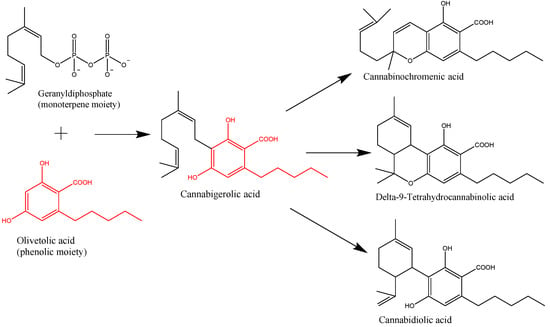
 “The monocyclic 1,4-benzoquinone, HU-331, the direct oxidation product of
  “According to recent studies,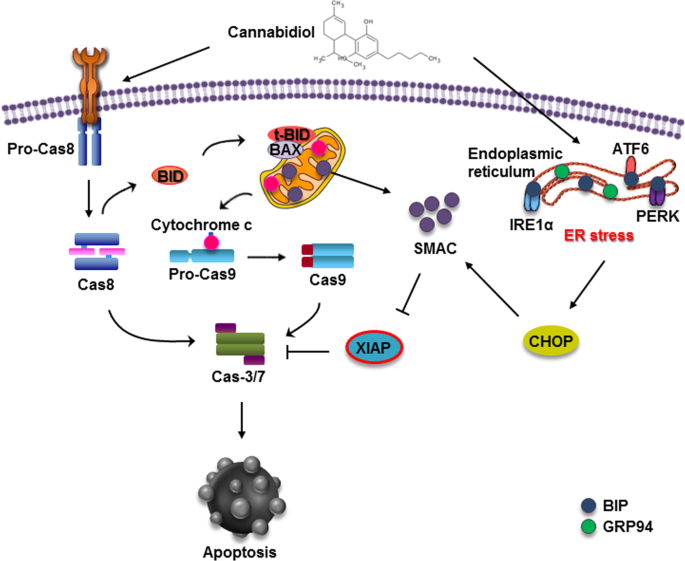
 “To evaluate interest in and patterns of use of non-prescription
  “The anticancer effects of the omega-3 long chain polyunsaturated fatty acids (LCPUFA), EPA and DHA may be due, at least in part, to conversion to their respective endocannabinoid derivatives, eicosapentaenoyl-ethanolamine (EPEA) and docosahexaenoyl-ethanolamine (DHEA).
 “Prostate cancer patients receiving androgen-deprivation therapy (ADT) often experience a combination of disease symptoms and treatment side effects. The therapeutic use of
  “Bone cancer pain (BCP) is a severe complication of advanced bone cancer.
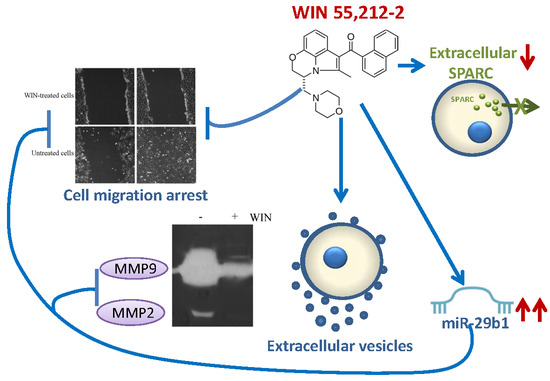
 “WIN55,212-2 (WIN) is a synthetic agonist of