“The cannabis plant has been widely researched for many therapeutic indications and found to be effective in many chronic conditions such as epilepsy, neuropathic or chronic pain and more. However, biased opinion against compounds of the plant, regulatory as well as compounding challenges have led to very few approved medicinal products. Those formulations which are approved are dosed several times a day, creating an unmet need for controlled release (CR) formulations of cannabinoids. Conventional CR formulations rely on prolonged absorption including the colon. The purpose of this work is to investigate regional absorption of major cannabinoids THC and CBD from the colon and develop a suitable CR formulation. As hypothesized by researchers, THC and CBD have poor absorption from the colon compared to small intestine, suggesting that these compounds have a narrow absorption window. The suggested formulation examined in-vitro was a floating gastro retentive tablet based on egg albumin matrix, gas generating agents and surfactants. In-vivo investigation of CBD containing formulation in the freely moving rat model proved a prolonged absorption phase with a substantial increase in bioavailability compared to CBD solution. The findings of this paper answer a crucial question regarding potential application of CR dosage forms for cannabinoids and shed light on the regional intestinal absorption of these compounds. Ultimately, these results cement the way for future development of cannabinoid gastro retentive dosage forms.”
https://www.ncbi.nlm.nih.gov/pubmed/32422168
https://www.sciencedirect.com/science/article/abs/pii/S0939641120301375?via%3Dihub
 “Cannabis sativa is an aromatic annual flowering plant with several botanical varieties, used for different purposes, like the production of fibers, the production of oil from the seeds, and especially for recreational or medical purposes.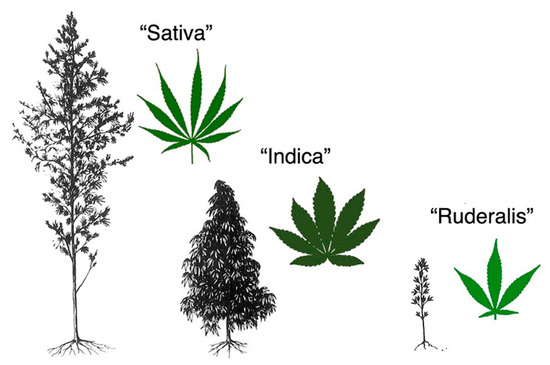
 “Many anti-nausea treatments are available for chronic gastrointestinal syndromes, but data on efficacy and comparative effectiveness are sparse.
 “Chronic intestinal pseudo-obstruction (CIPO) is a rare and challenging cause of pediatric intestinal failure, requiring long-term parenteral nutrition in most cases. Despite optimal management, some patients experience chronic abdominal pain and recurrent obstructive episodes with a major impact on their quality of life.
 “A growing body of literature indicates that activation of
  “Irritable bowel syndrome (IBS) global burden is underestimated despite its high prevalence. It’s a gastrointestinal disease having obscure pathophysiology with multiple therapies yet unsatisfactory remedies.
 “Irritable bowel syndrome (IBS) is one of the most common functional gastrointestinal (GI) disorders characterized by pain and impaired bowel movements. Currently available drugs show limited efficacy.
 “The endocannabinoid system (ECS) has emerged in recent years as a potential treatment target for alcohol use disorders (AUD).