“Background: Little is known about medical cannabis (MC)-related care for patients with cancer using MC.
Methods: Semistructured telephone interviews were conducted in a convenience sample of individuals (n = 24) with physician-confirmed oncologic diagnoses and state/district authorization to use MC (Arizona, California, Florida, Illinois, Massachusetts, Oregon, New York, and Washington, DC) from April 2017 to March 2019. Standard qualitative techniques were used to assess the degree of MC-related health care oversight, MC practices, and key information sources.
Results: Among 24 participants (median age, 57 years; range, 30-71 years; 16 women [67%]), MC certifications were typically issued by a professional new to a patient’s care after a brief, perfunctory consultation. Patients disclosed MCuse to their established medical teams but received little medical advice about whether and how to use MC. Patients with cancer used MC products as multipurpose symptom management and as cancer-directed therapy, sometimes in lieu of standard-of-care treatments. Personal experimentation, including methodical self-monitoring, was an important source of MC know-how. Absent formal advice from medical professionals, patients relied on nonmedical sources for MC information.
Conclusions: Patients with cancer used MC with minimal medical oversight. Most received MC certifications through brief meetings with unfamiliar professionals. Participants desired but were often unable to access high-quality clinical information about MC from their established medical teams. Because many patients are committed to using MC, a product sustained by a growing industry, medical providers should familiarize themselves with the existing data for MM and its limitations to address a poorly met clinical need.”
https://pubmed.ncbi.nlm.nih.gov/32986266/
“Notably, oncology patients reported using medical cannabis (MC) for symptom management and as cancer‐directed therapy, sometimes instead of traditional treatments.”
https://acsjournals.onlinelibrary.wiley.com/doi/10.1002/cncr.33202
 “Pancreatic cancer (PC) is related to lifestyle risks, chronic inflammation, and germline mutations in BRCA1/2, ATM, MLH1, TP53, or CDKN2A. Surgical resection and adjuvant chemotherapy are the main therapeutic strategies but are less effective in patients with high-grade tumors.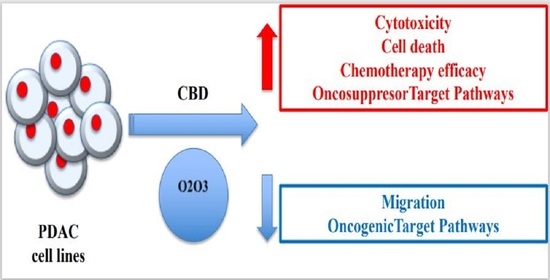


 “The recent announcement of marijuana legalization in Canada spiked many discussions about potential health benefits of Cannabis sativa.
 “In recent years, the endocannabinoid system has received great interest as a potential therapeutic target in numerous pathological conditions.
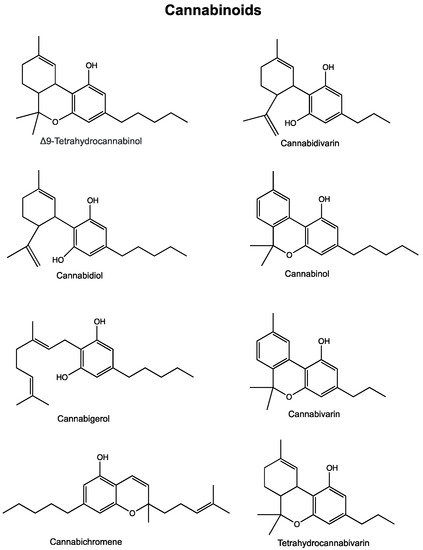
 “Phytocannabinoids are unique terpenophenolic compounds predominantly produced in the glandular trichomes of the cannabis plant (Cannabis sativa L.). The delta-9- tetrahydrocannabinol (THC) is the main active constituent responsible for the plant’s psychoactive effect and, together with the non- psychoactive cannabidiol (CBD), the most investigated naturally occurring cannabinoid.
 “Pancreatic cancer is particularly refractory to modern therapies, with a 5-year survival rate for patients at a dismal 8%.