
 “Cannabidiol (CBD) has emerged as a potential agent for breast cancer management.
In this work, the potential use of cannabidiol in solution (CBDsol) and encapsulated in polymeric microparticles when combined with paclitaxel (PTX) and doxorubicin (DOX) in breast cancer treatment has been evaluated for the first time using MCF-7 and MDA-MB-231 cells. CBDsol, previously administered at suboptimal concentrations (cell death <10%), enhanced the PTX and DOX effect in both breast cancer cells.
The co-administration of CBDsol and PTX or DOX showed a synergistic effect. PLGA-502 was selected as the most suitable polymer to develop CBD-loaded microparticles. The developed formulation (CBD-Mps) was effective as monotherapy, showing extended antiproliferative activity for at least 10 days, and when combined with PTX or DOX.
In fact, the use of CBD-Mps allows the combination of both, pre and co-administration strategies, with a single administration, also showing a significant increase in PTX and DOX antiproliferative activity. Finally, the anticancer effect of both CBDsol and CBD-Mps as monotherapy or in combination with PTX was also confirmed in ovo, usingMDA-MB-231-derived tumours.
This data evidences the promising inclusion of CBD in conventional breast cancer chemotherapy and the use of CBD-Mps for the extended release of this cannabinoid, optimising the effect of the chemotherapeutic agents.”
https://www.ncbi.nlm.nih.gov/pubmed/31811927
https://www.sciencedirect.com/science/article/pii/S0378517319309615?via%3Dihub
 “The anticancer effects of the omega-3 long chain polyunsaturated fatty acids (LCPUFA), EPA and DHA may be due, at least in part, to conversion to their respective endocannabinoid derivatives, eicosapentaenoyl-ethanolamine (EPEA) and docosahexaenoyl-ethanolamine (DHEA).
 “Cannabinoids exhibit anti-inflammatory and antitumorigenic properties.
 “Indisputably, cancer is a global crisis that requires immediate intervention. Despite the use of conventional treatments over the past decades, it is acceptable to admit that these are expensive, invasive, associated with many side effects and, therefore, a reduced quality of life.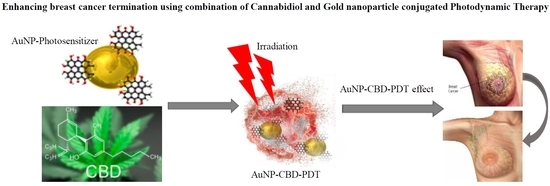
 “Phytocannabinoids are unique terpenophenolic compounds predominantly produced in the glandular trichomes of the cannabis plant (Cannabis sativa L.). The delta-9- tetrahydrocannabinol (THC) is the main active constituent responsible for the plant’s psychoactive effect and, together with the non- psychoactive cannabidiol (CBD), the most investigated naturally occurring cannabinoid.
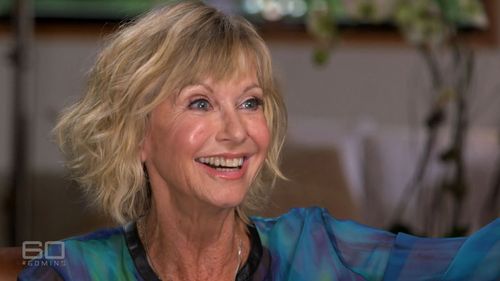 “Olivia Newton-John says medicinal marijuana is a key part of her treatment for stage four cancer. In an exclusive interview with 60 Minutes reporter Liz Hayes, Newton-John says that not only has cannabis assisted with her pain management, sleep and anxiety – but it’s having affects on her physical health too. “I’m incredibly pro cannabis,” she told Liz Hayes. “If I don’t take the cannabis, I can feel the pain so I know it’s working.”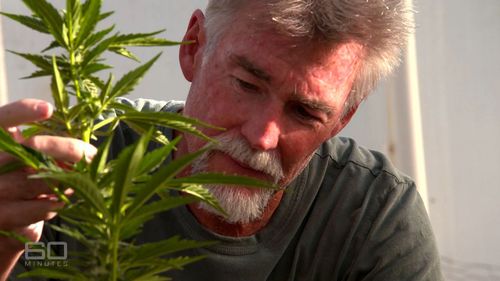

 “Currently, the involvement of the endocannabinoid system in cancer development and possible options for a cancer-regressive effect of