Cannabis spray found to help relieve cancer pain

“Cancer patients who used a cannabis mouthspray had their level of pain reduced by 30%, a study has shown.

The cannabis-based spray, like a mouth freshener, was used on 177 patients by researchers from Edinburgh University.

They found it reduced pain levels by 30% in a group of cancer patients, all in the Edinburgh area, who had not been helped by morphine or other medicines.

The spray was developed so that it did not affect the mental state of patients in the way that using cannabis would.

Site of pain

They said the spray worked by activating molecules in the body called cannabinoid receptors which can stop nerve signals being sent to the brain from the site of pain.

Professor Marie Fallon, of the Edinburgh Cancer Research Centre at Edinburgh University, said: “These early results are very promising and demonstrate that cannabis-based medicines may deliver effective treatment for people with severe pain.

“Prescription of these drugs can be very useful in combating debilitating pain, but it is important to understand the difference between their medical and recreational use.””

http://www.plymouthwired.co.uk/news.php/2777-Cannabis-spray-found-to-help-relieve-cancer-pain

From cannabis to the endocannabinoid system: refocussing attention on potential clinical benefits.

Image result for West Indian Med J

“Cannabis sativa is one of the oldest herbal remedies known to man. Over the past four thousand years, it has been used for the treatment of numerous diseases but due to its psychoactive properties, its current medicinal usage is highly restricted. In this review, we seek to highlight advances made over the last forty years in the understanding of the mechanisms responsible for the effects of cannabis on the human body and how these can potentially be utilized in clinical practice. During this time, the primary active ingredients in cannabis have been isolated, specific cannabinoid receptors have been discovered and at least five endogenous cannabinoid neurotransmitters (endocannabinoids) have been identified. Together, these form the framework of a complex endocannabinoid signalling system that has widespread distribution in the body and plays a role in regulating numerous physiological processes within the body. Cannabinoid ligands are therefore thought to display considerable therapeutic potential and the drive to develop compounds that can be targeted to specific neuronal systems at low enough doses so as to eliminate cognitive side effects remains the ‘holy grail’ of endocannabinoid research.”

http://www.ncbi.nlm.nih.gov/pubmed/23155985

A new strategy to block tumor growth by inhibiting endocannabinoid inactivation.

Image result for faseb journal

“Endocannabinoid signaling has been shown to be enhanced in several cancer tissues and malignant cells, and studies in cell lines have shown that this up-regulation might serve the purpose of providing transformed cells with a further means to inhibit their proliferation. Here we investigated the effect of inhibitors of endocannabinoid degradation on the growth of rat thyroid tumor xenografts induced in athymic mice. VDM-11, a selective inhibitor of endocannabinoid cellular re-uptake, and arachidonoyl-serotonin (AA-5-HT), a selective blocker of endocannabinoid enzymatic hydrolysis, both inhibited the growth in vivo of tumor xenografts induced by the subcutaneous injection of rat thyroid transformed (KiMol) cells. This effect was accompanied by significantly enhanced endocannabinoid concentrations in the tumors excised at the end of the in vivo experiments. Endocannabinoids, as well as VDM-11 and AA-5-HT, inhibited the growth in vitro of the transformed rat thyroid cells used to induce the tumors in vivo, and their effect was reversed at least in part by the cannabinoid CB1 receptor antagonist SR141716A. This compound, however, when administered alone, did not enhance, but instead slightly inhibited, the growth of rat thyroid transformed cells both in vitro and in tumor xenografts induced in vivo. These findings indicate that endocannabinoids tonically control tumor growth in vivo by both CB1-mediated and non-CB1-mediated mechanisms and that, irrespective of the molecular mechanism of their anti-proliferative action, inhibitors of their inactivation might be used for the development of novel anti-cancer drugs.”  http://www.ncbi.nlm.nih.gov/pubmed/15289448

“A new strategy to block tumor growth by inhibiting endocannabinoid inactivation”  http://www.fasebj.org/content/early/2004/10/02/fj.04-1754fje.long

Marijuana May Fight Lung Tumors – FoxNews

   “…the active ingredient in marijuana may help combat lung cancer, new research suggests.

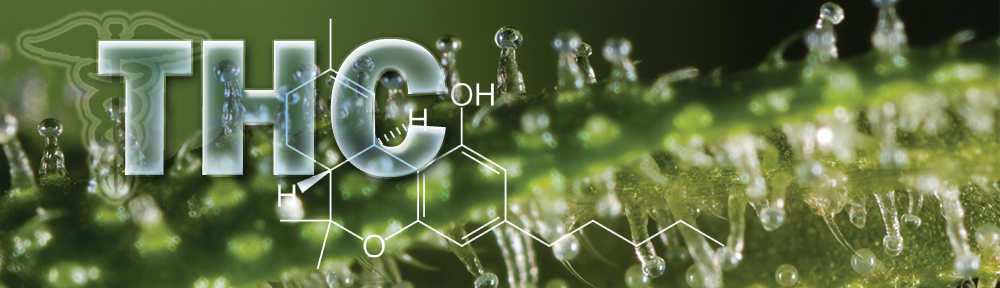
In lab and mouse studies, the compound, known as THC, cut lung tumor growth in half and helped prevent the cancer from spreading, says Anju Preet, PhD, a Harvard University researcher in Boston who tested the chemical. 

While a lot more work needs to be done, “the results suggest THC has therapeutic potential,” she tells WebMD. 

Moreover, other early research suggests the cannabis compound could help fight brain, prostate, and skin cancers as well, Preet says.”

Read more: http://www.foxnews.com/story/0,2933,266715,00.html

Read more: http://www.foxnews.com/story/0,2933,266715,00.html#ixzz2C1POR7Ap

Antineoplastic activity of cannabinoids.

   “Lewis lung adenocarcinoma growth was retarded by the oral administration of delta9-tetrahydrocannabinol (delta9-THC), delta8-tetrahydrocannabinol (delta8-THC), and cannabinol (CBN), but not cannabidiol (CBD)… CBD was active only in high concentrations.”

http://www.ncbi.nlm.nih.gov/pubmed/1159836

The inhibition of DNA synthesis by cannabinoids.

  “Several of the cannabinoids found in marihuana have been shown to inhibit tumor growth and increase the life-span of mice bearing the Lewis lung adenocarcinoma… Furthermore, our in vitro observations with these cannabinoids are supported by in vivo tumor inhibition studies.”

http://www.ncbi.nlm.nih.gov/pubmed/1248011

In vivo effects of cannabinoids on macromolecular biosynthesis in Lewis lung carcinomas.

Abstract

“Cannabinoids represent a novel class of drugs active in increasing the life span mice carrying Lewis lung tumors and decreasing primary tumor size. In the present studies, the effects of delta9-THC, delta8-THC, and cannabidiol on tumor macromolecular biosynthesis were studied. These drugs inhibit thymidine-3H incorporation into DNA acutely, but did not inhibit leucine uptake into tumor protein. At 24 h after treatment, cannabinoids did not inhibit thymidine-3H incorporation into DNA, leucine-3H uptake into protein or cytidine-3H into RNA.”

http://www.ncbi.nlm.nih.gov/pubmed/616322

Decrease of plasminogen activator inhibitor-1 may contribute to the anti-invasive action of cannabidiol on human lung cancer cells

“PURPOSE:

Using human lung cancer cells, we evaluated the involvement of plasminogen activator inhibitor-1 (PAI-1) in the anti-invasive action of cannabidiol, a non-psychoactive cannabinoid.”

“RESULTS:

Cannabidiol caused a profound inhibition of A549 cell invasion, accompanied by a decreased expression and secretion of PAI-1… Key data were confirmed in two other human lung cancer cell lines (H460, H358). In vivo, a significant downregulation of PAI-1 protein by cannabidiol was demonstrated in A549 xenografts.”

“CONCLUSION:

Our data provide evidence for a hitherto unknown mechanism underlying the anti-invasive action of cannabidiol on human lung cancer cells.”

http://www.ncbi.nlm.nih.gov/pubmed/20668920

Cannabidiol inhibits cancer cell invasion via upregulation of tissue inhibitor of matrix metalloproteinases-1.

Cover image

“Although cannabinoids exhibit a broad variety of anticarcinogenic effects, their potential use in cancer therapy is limited by their psychoactive effects. Here we evaluated the impact of cannabidiol, a plant-derived non-psychoactive cannabinoid, on cancer cell invasion. Using Matrigel invasion assays we found a cannabidiol-driven impaired invasion of human cervical cancer (HeLa, C33A) and human lung cancer cells (A549) that was reversed by antagonists to both CB(1) and CB(2) receptors as well as to transient receptor potential vanilloid 1 (TRPV1). The decrease of invasion by cannabidiol appeared concomitantly with upregulation of tissue inhibitor of matrix metalloproteinases-1 (TIMP-1). Knockdown of cannabidiol-induced TIMP-1 expression by siRNA led to a reversal of the cannabidiol-elicited decrease in tumor cell invasiveness, implying a causal link between the TIMP-1-upregulating and anti-invasive action of cannabidiol. P38 and p42/44 mitogen-activated protein kinases were identified as upstream targets conferring TIMP-1 induction and subsequent decreased invasiveness. Additionally, in vivo studies in thymic-aplastic nude mice revealed a significant inhibition of A549 lung metastasis in cannabidiol-treated animals as compared to vehicle-treated controls.

Altogether, these findings provide a novel mechanism underlying the anti-invasive action of cannabidiol and imply its use as a therapeutic option for the treatment of highly invasive cancers.”  http://www.ncbi.nlm.nih.gov/pubmed/19914218

http://www.sciencedirect.com/science/article/pii/S000629520900971X

Cannabidiol inhibits lung cancer cell invasion and metastasis via intercellular adhesion molecule-1.

   “Cannabinoids inhibit cancer cell invasion via increasing tissue inhibitor of matrix metalloproteinases-1 (TIMP-1). This study investigates the role of intercellular adhesion molecule-1 (ICAM-1) within this action. In the lung cancer cell lines A549, H358, and H460.. Overall, our data indicate that cannabinoids induce ICAM-1, thereby conferring TIMP-1 induction and subsequent decreased cancer cell invasiveness.”

http://www.ncbi.nlm.nih.gov/pubmed/22198381